Deprecated: Function visual_composer is deprecated since version 5.8! Use wpbakery instead. in /home/dailygardeningmag/htdocs/dailygardeningmag.com/wp-includes/functions.php on line 6121
admin, Author at Daily Gardening Mag
Author

admin

Browsing

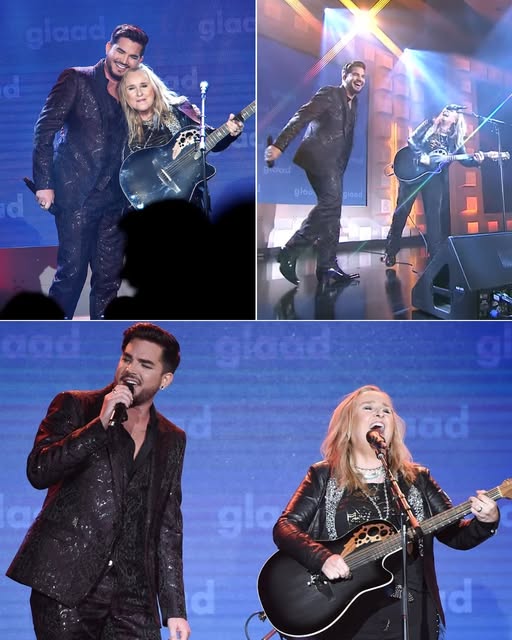
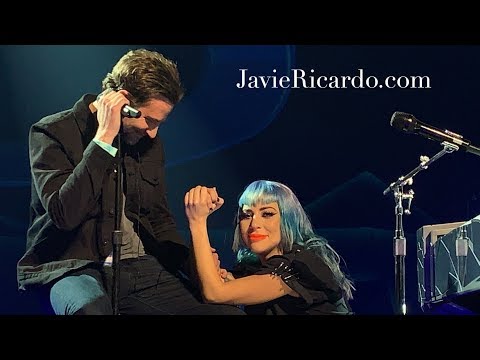
Andrew Lloyd Webber’s “Jesus Christ Superstar” has always drawn criticism for its blasphemous interpretation of Scripture, but this latest iteration — a three-night performance with “Wicked” star Cynthia Erivo portraying Jesus — has, according to some, crossed into the realm of the “demonic.”

Erivo, a 38-year-old woman, identifies as a queer bisexual and is a strong advocate of non-binary identities despite claiming to be Catholic, telling Elle last year she has “a deep belief that God makes people as they’re meant to be.”

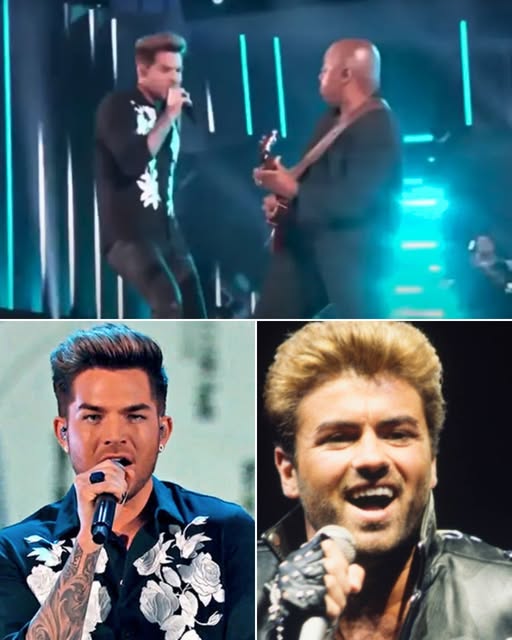
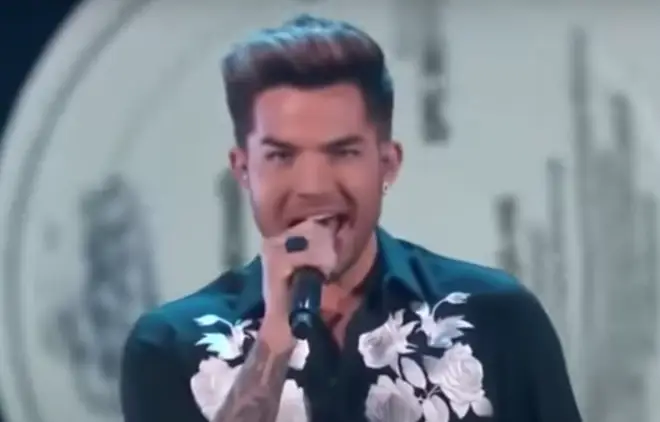
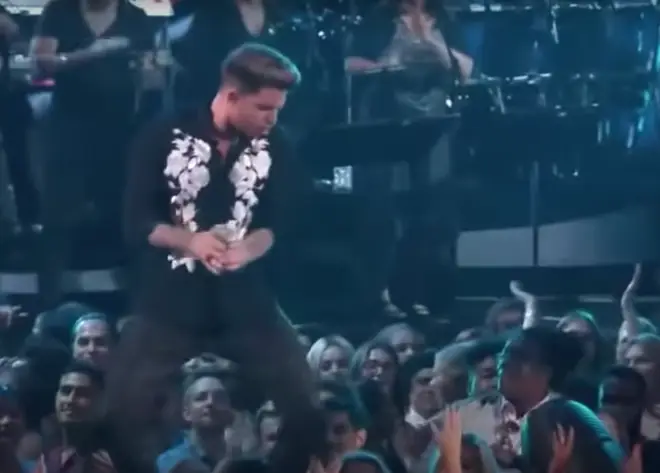
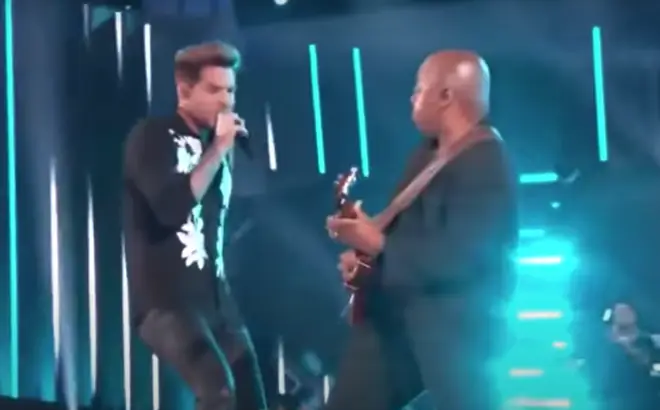
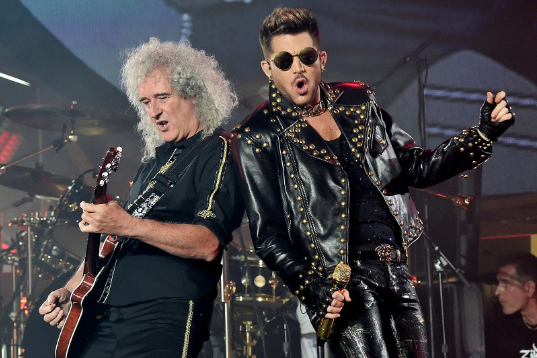
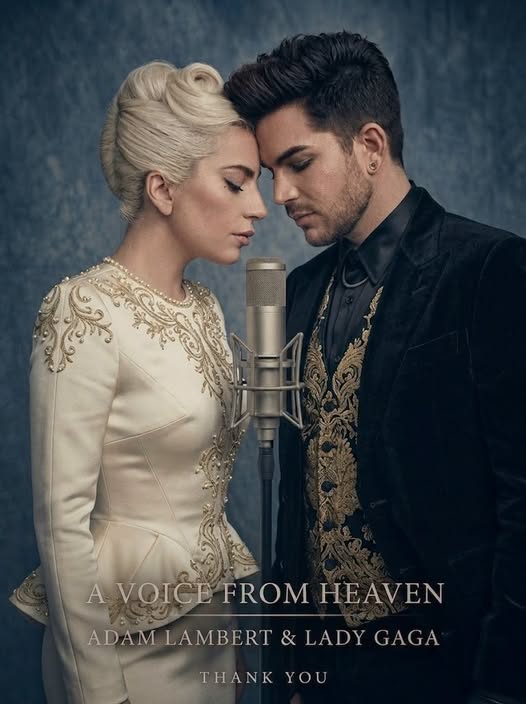
“This is demonic,” wrote Kevin Sorbo, a Christian actor who posted a clip of Erivo, whose arms were stretched across a crossbeam as she wore a crown of thorns while stumbling toward her costar, openly gay singer Adam Lambert, who portrayed Judas Iscariot in the production.

Sorbo was hardly the only critic sounding the alarm about the performance, which ran Aug. 1-3 at the Hollywood Bowl in Los Angeles, California.

Others, like The Federalist CEO Sean Davis, wrote on X that Erivo’s bald look and long nails resembled Nosferatu, an ancient Romanian word believed to mean “vampire.”

Cameron Bertuzzi, the founder of the Capturing Christianity YouTube channel, shared a similar perspective about the performance, which he likewise said appeared “demonic.”

In response to Lambert’s defense of Erivo, in which he claimed the teachings of Jesus should “transcend gender,” Bertuzzi, who is Catholic, condemned the “religious illiteracy” in Hollywood.

“Christians probably want a historical figure, a male historical figure, their literal Messiah, they want Him to be portrayed by a male, someone who at least has the same gender as Him,” he said.

Listen to the latest episode of “Quick Start” 👇

Kristan Hawkins, a podcaster and president of Students for Life of America, also rebuked Erivo’s performance as “intentional blasphemy.”

“It’s no surprise she looks exactly like how demons have always been portrayed,” she wrote. “And let’s be real … if you dress like a demon, act like a demon, and mock God like a demon … don’t be shocked when people call it what it is. This is intentional blasphemy from Hollywood.”

Christopher Calvin Reid, a Christian podcaster from Huntsville, Alabama, called out Erivo’s casting as “a blasphemous, woke abomination that mocks Christ’s divinity and proves the left’s contempt for biblical truth.”

“The Bible is unequivocal: ‘The Word became flesh’ (John 1:14), incarnate as a man, not a genderless symbol for progressive fantasies,” he wrote on X. “Erivo’s casting isn’t just unbiblical — it’s a deliberate desecration, reducing Christ to a prop for cultural Marxism.”

He continued, “It is clear that this is the left spitting on the cross, trading divine truth for a woke applause track. Erivo’s liberal activism only deepens the insult, signaling a rejection of Christ’s divinity for political posturing. This isn’t art; it’s evil — a blasphemous middle finger to God, cheered by Democrats who’d rather bow to Hollywood than the Bible.”

“Christians must reject this sacrilege, for it erodes the sacred, inviting divine judgment while the left cackles in their echo chambers,” Reid added.

As for Erivo, in February, she wrote in an Instagram post that she was looking forward to the role.

This was not Erivo’s first time playing a role in “Jesus Christ Superstar.” In 2020, she portrayed Mary Magdalene in an all-female rendition of the rock opera.

Nevertheless, her latest performance as Jesus was immediately called out as “blasphemy” and “mocking Christ the King.”

After more than a decade behind one of the most famous desks in television, Stephen Colbert had interviewed almost everyone modern culture could offer.

For eleven seasons on  The Late Show with Stephen Colbert, audiences watched him dominate late-night television with sharp political satire, emotional interviews, and a rare ability to move seamlessly between comedy and sincerity.

The man capable of dismantling political hypocrisy with a single raised eyebrow and perfectly timed joke.

So when Colbert sat down during one of his final interviews and quietly admitted that his dream guest had never been a president, never been a Hollywood superstar, and never even been his longtime friend Jon Stewart


And suddenly, audiences began seeing Stephen Colbert differently.

Because beneath the sharp comedy and political monologues existed something many viewers only partially understood:

President interviews transcript


A man shaped as deeply by grief and faith as by humor.

The Public Version Of Stephen Colbert

For years, television audiences associated Colbert primarily with satire.

TV Talk Shows

He first became a cultural force through The Colbert Report, where he brilliantly played an exaggerated parody of political media personalities. The character was loud, arrogant, absurdly confident, and hilariously committed to his own contradictions.

The performance became legendary because it exposed the mechanics of modern political media through comedy sharper than most journalism.

Later, when he inherited The Late Show, many wondered whether audiences would accept the “real” Stephen Colbert after years of watching a fictionalized persona.

They did.

Because underneath the satire existed extraordinary emotional intelligence.

Politics

Colbert could roast politicians mercilessly one moment and discuss grief, spirituality, family, or human suffering with remarkable tenderness the next.

That emotional range separated him from many late-night hosts.

He was funny.

But he was also thoughtful.

And often unexpectedly vulnerable.

The Tragedy That Changed His Life Forever

To understand why the Pope mattered so much to Stephen Colbert, it helps to understand the tragedy that shaped him long before television fame arrived.

Comedy workshop online

In 1974, when Colbert was only ten years old, his father and two brothers were killed in a plane crash.

The loss devastated the family completely.

One ordinary day became the dividing line between childhood innocence and lifelong grief.

Colbert has spoken openly over the years about the emotional impact of that tragedy. Losing so much so young forced him into questions many adults struggle to confront even late in life:

Why does suffering exist?

How do people continue after devastating loss?

Can faith survive tragedy?

Joke writing tips

For many people, grief destroys spiritual belief entirely.

For Colbert, it complicated faith but ultimately deepened it.

That distinction matters enormously.

Because his comedy was never merely entertainment.

It became survival.

Comedy As Emotional Rescue

People often misunderstand comedians.

Stephen Colbert biography

Audiences assume funny people must naturally live lightly or effortlessly. But many great comedians build humor in direct response to pain, anxiety, loneliness, or grief.

Stephen Colbert belongs deeply to that tradition.

Humor became a way of processing darkness without surrendering to it.

Stephen Colbert addresses 'Late Show' viewers after Trump victory

A way of maintaining emotional movement after tragedy threatened to freeze life permanently.

TV Talk Shows

And perhaps that explains why his comedy often carried unusual humanity beneath the satire.

Even while criticizing political figures, Colbert rarely sounded emotionally empty. Anger existed, certainly. Frustration existed. But so did compassion.

Because people who survive profound grief often recognize vulnerability everywhere afterward.

The Faith Many People Forget About

Modern media discussions about Stephen Colbert usually focus on  politics or comedy.

But faith has always remained central to his identity.

Celebrities & Entertainment News

He has openly discussed his Catholicism for years.

He teaches Sunday school.

He speaks about spirituality comfortably and seriously even within entertainment settings where public religious discussion often feels awkward or performative.

Yet Colbert never presented faith as moral superiority.

Instead, he spoke about it almost like conversation.

Something living.

Complicated.

Still evolving.

Comedy workshop online

That emotional honesty made audiences trust him more deeply.

Because many public figures discuss religion as branding or ideology.

Colbert discussed it like a person still wrestling honestly with existence itself.

Why The Pope Became His “White Whale”

When Colbert described the Pope as his “white whale,” the phrase carried literary weight intentionally.

The expression comes from Moby-Dick, where Captain Ahab becomes consumed by the impossible pursuit of the great white whale.

Arts & Entertainment

But Colbert’s version felt less obsessive than symbolic.

The Pope represented something larger than celebrity access.

He represented the intersection of the two forces shaping Colbert’s entire life:

Faith and public communication.

Imagine the emotional significance of that conversation for someone like him.

Not because the Pope is famous.

But because Colbert likely viewed him as someone carrying enormous spiritual and moral responsibility in an increasingly fractured world.

Stephen Colbert biography

And perhaps, privately, Colbert still carried questions he wanted to ask.

Not as a host.

As a human being.

The Man Behind The Desk

Late-night television often requires emotional armor.

Hosts must appear sharp, confident, endlessly prepared. Every pause risks losing audience energy. Every interview must entertain while navigating celebrity egos, network expectations, and public scrutiny.

Politics

Over time, viewers can forget the host himself exists beneath the performance.

But Colbert occasionally allowed glimpses behind the curtain.

Moments where grief, faith, or vulnerability emerged unexpectedly.

Those moments frequently became more powerful than the jokes themselves.

Because audiences sensed authenticity immediately.

And authenticity matters especially in an era saturated with polished personas.

Nine Years At Number One

By the time Colbert reflected publicly on his dream guest, he had already achieved enormous professional success.

Celebrities & Entertainment News

Nine years as late-night’s top-rated host.

Thousands of interviews.

 Political influence extending far beyond entertainment.

Cultural relevance rare for any television personality in a fragmented media age.

Yet despite all that achievement, one conversation still remained unfinished in his mind.

The Pope.

There is something deeply human about that.

Success rarely erases longing completely.

Stephen Colbert biography

Even people who accomplish extraordinary things often carry one unanswered question or one unrealized conversation quietly inside themselves.

For Colbert, that unfinished possibility carried emotional gravity.

What Would He Have Asked?

That question fascinated audiences immediately after his comments spread online.

What would Stephen Colbert actually ask the Pope if given the opportunity?

Would it become political?

Joke writing tips

Theological?

Philosophical?

Or deeply personal?

Can Colbert get Pope Leo on late night TV? | National Catholic Reporter

Perhaps all of them.

Politics

But those who know Colbert’s interviews understand something important:

His best conversations rarely focused on surface-level fame.

He was interested in meaning.

Fear.

Purpose.

Suffering.

Hope.

He often asked questions that sounded less like journalism and more like genuine curiosity.

Arts & Entertainment

So perhaps the conversation with the Pope would not begin with politics at all.

Perhaps it would begin with grief.

The Question Hidden Beneath The Question

There is a possibility that Colbert’s fascination with interviewing the Pope had less to do with religion institutionally and more to do with emotional survival spiritually.

After losing his father and brothers so young, he spent decades navigating public life while privately carrying childhood grief into adulthood.

Comedy helped.

Stephen Colbert biography

Faith helped.

Family helped.

But grief never disappears completely.

It changes shape.

Perhaps somewhere inside himself, Colbert still wanted to ask someone representing spiritual leadership how humans continue carrying sorrow without becoming consumed by it.

Not theoretically.

Actually.

That possibility transforms the imagined interview entirely.

It stops being celebrity television.

Comedy workshop online

And becomes two people discussing what it means to remain hopeful in a painful world.

Why Audiences Connected So Deeply To The Revelation

People responded emotionally to Colbert’s comments because the confession felt unexpectedly sincere.

In modern celebrity culture, dream interviews are usually framed through prestige:

The biggest actor.

The most powerful politician.

Celebrities & Entertainment News

The impossible booking.

But Colbert’s answer revealed something deeper about his priorities.

He was not chasing status.

He was chasing meaning.

And meaning resonates emotionally because so many people feel starved for it publicly.

The Final Season Feeling

As Colbert approaches his final show airing May 21, audiences are naturally becoming nostalgic.

Actor interviews book

Late-night hosts eventually evolve beyond entertainers into emotional fixtures in viewers’ routines. People watch them through elections, pandemics, personal heartbreaks, career changes, and ordinary evenings after exhausting days.

Over time, the host becomes strangely familiar.

Part comedian.

Part companion.

Part emotional translator for chaotic national moments.

Stephen Colbert occupied that role uniquely because he balanced intellect with vulnerability so effectively.

Stephen Colbert biography

Now, as his run ends, audiences are reflecting not only on the jokes but on the emotional consistency he provided for years.

Walking Away Without The Interview

There is poetic sadness in the fact that Colbert never landed the one interview he wanted most.

After speaking with presidents and global celebrities, the conversation he desired remained unreachable.

Yet perhaps that unfinished longing gives the story emotional beauty too.

Some questions remain unanswered.

Joke writing tips

Some conversations never happen.

Human life is full of incompletions.

And maybe Colbert understands that better than most.

The Humanity Beneath Late-Night Television

People sometimes dismiss late-night television as disposable entertainment.

Monologues.

 Celebrity promotion.

Political jokes.

President interviews transcript

But hosts like Stephen Colbert occasionally transformed the format into something emotionally meaningful.

Through interviews, humor, and moments of vulnerability, he created space for audiences to process fear, grief, absurdity, and uncertainty together.

That achievement matters culturally more than ratings alone can measure.

Especially during divisive or painful periods in public life.

What The Pope Might Have Seen In Colbert

It is interesting to imagine the conversation from the opposite perspective too.

Celebrities & Entertainment News

What might the Pope have seen in Stephen Colbert?

Not simply a comedian.

Pope opens up about personal 'lockdowns' that changed his life

But a man who used humor to keep despair from winning.

Arts & Entertainment

A public figure who spoke openly about suffering without surrendering entirely to cynicism.

Someone who remained spiritually curious despite tragedy.

Those qualities carry profound humanity.

More Than A Missed Interview

Ultimately, Colbert’s “white whale” confession resonated because it revealed the emotional truth behind his career.

Comedy was never merely performance.

Politics

It was resilience.

Faith was never merely ritual.

It was survival.

And the dream interview was never merely about  celebrity access.

It was about conversation.

Connection.

Understanding.

Perhaps even healing.

Joke writing tips

The Question He May Never Stop Asking

As his final episode approaches, audiences naturally wonder what Stephen Colbert feels privately stepping away from the desk that defined so much of modern late-night television.

Relief?

Exhaustion?

Freedom?

Probably all three.

Stephen Colbert biography

But perhaps somewhere beneath those emotions remains one quiet, lingering thought:

What would that conversation with the Pope have sounded like?

Would they have discussed faith?

Loss?

Human suffering?

The responsibility of hope?

Maybe all of it.

Or maybe the first thing Colbert would have said was far simpler than anyone expects.

Comedy workshop online

Maybe after decades of jokes, interviews, and public performance, he would simply have wanted to ask one deeply human question:

How do people continue loving the world after it breaks their hearts?

A Legacy Larger Than Comedy

Whether or not the interview ever happened almost matters less now than what the confession revealed.

Stephen Colbert’s legacy was never only political satire or television success.

It was emotional honesty disguised cleverly as entertainment.

Celebrities & Entertainment News

The willingness to admit grief publicly.

The courage to discuss faith sincerely.

The understanding that humor can coexist beside sorrow instead of erasing it.

That emotional complexity made him different.

And perhaps that is why the Pope—not a president or celebrity—became the guest he wanted most.

Because behind the jokes sat a man still searching, still wondering, still trying to understand suffering and grace at the same time.

Just like everyone else

A planned benefit concert in New York City featuring Cher and Barbra Streisand was reportedly canceled after struggling to attract enough ticket sales. The event was intended to raise support and funding connected to Mayor Zohran Mamdani’s future political campaign efforts.

According to claims circulating online, many New Yorkers viewed the concert as poorly timed due to ongoing economic pressures and rising living costs across the city. Critics argued that residents are more concerned about affordability, housing, and everyday expenses than political fundraising events involving celebrities.

A poll referenced in social media discussions allegedly found that some voters considered the event “offensive” or disconnected from the concerns of ordinary citizens. One respondent reportedly stated that New Yorkers want leaders focused on improving living conditions rather than organizing high-profile fundraising campaigns.

Despite the backlash online, there has been no official confirmation from organizers, campaign representatives, or the performers regarding the exact reasons behind the cancellation. The story has nevertheless sparked debate across social media over celebrity involvement in politics and public frustration surrounding economic challenges in New York City.

Vice President JD Vance responded to a question about the controversial joke comedian Pete Davidson made about the late far-right influencer and podcast Charlie Kirk during “The Roast of Kevin Hart.”

“Charlie was a very, very dear friend, but more importantly than that, Charlie was a father of two beautiful kids and he did not deserve to have all those moments with his kids, those moments with his beautiful wife taken from him in the way that that happened,” Vance said at Tuesday’s White House press briefing.

During Netflix’s “The Roast of Kevin Hart,” which premiered more than a week ago, Davidson compared comedian Tony Hinchcliffe to Kirk, saying, “Tony reminds me of Charlie Kirk, in that he’s definitely been on camera letting a guy unload in his throat.”

Vance went on to say that people with different politics should talk it out and not shoot one another.

Last night at Bridgestone Arena in Nashville, Kelly Clarkson turned a tense moment into one of unity and grace. When a small group of concertgoers began chanting anti-American slogans, the atmosphere in the arena shifted from excitement to unease.

Instead of responding with anger, Clarkson took a different path: she quietly raised her microphone and began singing “God Bless America.” Her calm, steady voice cut through the tension without a word of confrontation.

As she sang, fans around her began joining in—first a few, then more and more, until the entire arena joined as one. The chanting stopped, replaced by thousands of unified voices lifting the patriotic song in harmony, transforming the mood entirely.

In that moment, Clarkson showed what leadership through kindness and poise can look like. Instead of responding to provocation with provocation, she chose a greater path—using music as a bridge, healing through hope, and inspiring others simply by leading with grace.

As always, Susan Boyle delivers on every occasion — even on a British dancing show.

In 2011, arguably one of the most famous Got Talent alums ever took the stage for a performance on UK-based Strictly Come Dancing that took us by surprise. Boyle’s vocals paired perfectly with the jaw-dropping dance routine that played out on screen. She powerfully belted out “Unchained Melody” while a beautiful dance took place in front of her, and it was mesmerizing.

Susan Boyle - Unchained Melody - Strictly Come Dancing - 2011 - YouTube

Those high notes are not only impressive, but they’d feel right at home in an opera setting. There’s a level of emotion Boyle brings to every performance that is beyond comparison. Whether singing for the Pope or in the recording studio, Boyle never gives less than 100% effort, and it shows.

Of course, there’s a reason why Boyle’s version of “Unchained Melody” sounds so heavenly because she’s perfected the song throughout her career.

Despite her massive, overnight success thanks to her viral Britain’s Got Talent audition back in 2009, Boyle is still the same sweet soul she’s always been — something fans will surely be happy to hear.

Susan Boyle attends the BBC Sports Personality of the Year awards in 2014

During a 2019 interview with PEOPLE, the star talked about how she has no intention of being a “diva” — in fact, she prides herself in staying grounded.

“I don’t ever want to become a diva and I think having a good group of people around you ensures you don’t,” she explained. “I still live in the same house I grew up in, I don’t need a huge mansion for just myself and I still like to take the bus or walk to the supermarket and choose what I’m having for my dinner.”

Susan Boyle - Unchained Melody - Strictly Come Dancing

In 2024, Boyle is an international superstar — but you wouldn’t get that vibe when listening to her speak.

“I think it’s all about not believing the hype,” she said. “I’m still me, the wee woman who stepped on the BGT audition stage almost 10 years ago and I’ve been lucky enough to travel the world and perform in wonderful places but then I get to go home and just be me again, I get the best of both worlds!”

If you have what it takes to appear on America’s Got Talent, sign up for Season 20 auditions today at agtauditions.com. For details on how the process works — with guidance from AGT winners — check out NBC Insider’s ultimate audition guide.

Here’s what to know about “Unchained Melody”

Originally recorded in 1955 by singer Todd Duncan for the film Unchained, “Unchained Melody” was nominated for an Academy Award for Best Original Song one year later — but it wasn’t the original version that garnered the most critical and commercial success!

The Righteous Brothers released their own version in 1965, topping at #4 on the Billboard Hot 100. It’s an incredibly popular song to be covered. Elvis Presley famously covered the song in 1977 en route to the track becoming one of the King’s most beloved releases, and Kelly Clarkson’s version debuted for a Kellyoke.

“Unchained Melody” was also prominently featured in the 1990 film Ghost, and in 2004, the American Film Institute placed the tune on their list of the 100 greatest American film songs.

ritain’s Got Fringe! Singing sensation Susan Boyle, who became a worldwide phenomenon after her viral audition for Britain’s Got Talent in 2009, just debuted a gorgeous straight-hair look, and she’s almost unrecognizable. The Scottish singer had grey hair when she first took the BGT stage; then, she dyed it a rich chocolate brown for the first part of her career.

Susan Boyle Is Unrecognizable with New Glam Look

ore recently, she’s been wearing it a little longer, looser, and lighter, but this is by her her blondest and boldest look yet. Stepping out for the Pride of Britain Awards at the Grosvenor House Hotel, London on October 20, the Blackpool native showed off a honey blonde bob and wispy bangs. For the occasion, she wore an ink-painting patterned dress, pearl jewelry, red nails, and carried a black clutch.

Susan Boyle, 64, stuns fans with jaw-dropping makeover as Britain's Got  Talent star shows off bright blonde bob | Sky News Australia

“What a wonderful evening at the Pride of Britain Awards! 💖 It was such an honour to celebrate so many truly inspiring people. Everyone looked absolutely fabulous, and it was lovely to catch up with some familiar faces, including the brilliant Anne Hegerty (I’m a huge fan of The Chase)!” Boyle wrote on Instagram afterward, adding, “A night full of pride, joy and admiration for some incredible heroes. 🌟

Susan Boyle smiles in a black shawl over a black and white dress.

Susan Boyle is preparing a return to music for her bombshell era

Boyle revealed in 2023 that, in April 2022, she suffered a stroke and had to work to get her speech and motor skills back in order to perform again. In a 2024 interview with Daily Mail, Boyle revealed, “I’m back alright. I’m feeling OK and ready to go…I had a major stroke and I’ve had to fight my way back. It’s taken me three years and it’s been hard — I’m not going to pretend otherwise — but it’s made me determined to keep going.”

Since then, she’s made more progress and announced some exciting updates: She’s once again in the studio and planning a full return to music. In April 2025, she shared via her social media, “I’m back and working on some wonderful new projects that I can’t wait for you to hear about! ✨More news will be coming very soon, but I just wanted to say how much I’ve missed you all. Your support means the world to me, and I’m more determined and excited than ever.”

The next month, she posted a photo of herself in the recording booth and wrote, “Today was wonderful, emotional, and everything in between. I made my return to the recording studio for the first time in six years, something I was told I might never achieve again. But here we are, in my happy place! I want to thank my manager, Geraldine, for being my absolute rock through everything and for helping me get back to where I belong. A million thanks. 🙏❤️

Blake Shelton Takes a Stand at Nashville Charity Event Honoring Veterans

A Nashville charity showcase meant to celebrate  music and raise funds for veteran support organizations took an unexpected turn when country star Blake Shelton made a decisive move that quickly captured national attention. During the event, Shelton reportedly ordered the removal of a group of young performers after learning about behavior witnesses described as disrespectful toward military veterans attending the gathering.

The evening, originally planned as a heartfelt tribute to service members, became a powerful reminder of the values Shelton has long expressed publicly — respect, gratitude, and unwavering support for those who have served the country.

An Evening Dedicated to Veterans

The charity event, held in downtown Nashville, was organized to raise funds for several organizations that support veterans and their families. Musicians, community leaders, and honored military guests filled the venue for an evening of performances, storytelling, and recognition of service.

Before the incident occurred, attendees described the atmosphere as warm, respectful, and deeply appreciative of the men and women who had been invited as guests of honor.

Music & Audio


A Backstage Incident Changes the Tone

According to event organizers, the situation began backstage while preparations were underway for the recognition segment. Several veterans had been invited behind the scenes to meet performers before appearing briefly onstage.

Witnesses later reported that a small group of young performers behaved in a manner they described as dismissive and inappropriate toward the veterans present. Although the exact details have not been publicly disclosed, multiple sources indicated the comments and behavior were considered disrespectful.

Staff members quickly alerted event organizers, who began reviewing the situation to determine what had happened.

Blake Shelton Responds Immediately


When word of the incident reached Blake Shelton — who was preparing to headline the evening — he reportedly paused his preparations and requested a full explanation from staff and organizers.

Witnesses said Shelton wanted to hear the details directly before making any decisions. After confirming the reports with several individuals involved, he acted quickly.

Sources close to the event stated that Shelton personally instructed organizers to remove the performers responsible from the venue.

Those present described the singer as calm but firm, making it clear that disrespect toward veterans would not be tolerated — especially at an event dedicated to honoring them.

A Clear Message About Respect

The group was escorted out shortly afterward, and organizers later confirmed that the individuals involved had been barred from participating in future charity events connected to the program.

While the decision surprised some attendees, many others applauded Shelton’s response, saying it reinforced the purpose of the evening.

For Shelton, the moment reflected a principle he has frequently expressed throughout his career: respect for military service is non-negotiable.

A Longstanding Connection to the Military Community

Blake Shelton has long supported veterans through charity concerts, fundraising campaigns, and public awareness efforts. Over the years, he has used his platform to highlight issues affecting military families, including healthcare access, employment opportunities, and mental health resources.

In interviews and public appearances, Shelton has often emphasized that appreciation for veterans should extend far beyond ceremonial gestures.

His actions at the Nashville event appeared to reflect that belief.

The Show Continues

Despite the unexpected disruption, the charity showcase continued as planned. When Shelton eventually took the stage, he delivered a performance many attendees described as emotional and heartfelt.

During the show, he addressed the veterans in attendance directly, thanking them for their service and acknowledging the sacrifices made by both service members and their families.

The audience responded with a standing ovation.

A Night Remembered for Its Message

Organizers later confirmed that the event successfully raised significant funds for veteran assistance programs, ensuring the evening’s primary goal was achieved.

As news of the incident spread online, reactions from fans and commentators were largely supportive. Many praised Shelton for demonstrating leadership and reinforcing the importance of respect and accountability.

The situation also sparked broader conversations within the entertainment industry about professionalism and the responsibilities that come with performing at events honoring military service.

Respect Above Everything


For Blake Shelton, the decision appeared to come down to a simple principle: respect must come first.

By taking swift action, he ensured that the focus of the evening remained exactly where it belonged — honoring the sacrifices of those who have served.


In an industry often driven by spectacle, the Nashville showcase became memorable for a different reason: a moment when gratitude, dignity, and accountability stood firmly at center stage.

Bruce Springsteen didn’t wait for the song to make his point.

Appearing on The Late Show with Stephen Colbert Wednesday night, Springsteen opened his performance with a blunt show of support for Colbert—and an even blunter assessment of why the show is ending.

“I am here in support tonight for Stephen, because you are the first guy in America who’s lost his show because we got a president who can’t take a joke,” Springsteen said, strumming his guitar.

“And because Larry and David Ellison feel they need to kiss his ass to get what they want,” he continued. “Stephen, these are small-minded people. They got no idea what the freedoms of this beautiful country are supposed to be about. This is for you.”


Springsteen Salutes Colbert: He Lost His Show Because Trump "Can't Take a Joke"

With that, Springsteen launched into “Streets of Minneapolis,” his anti-ICE ballad written in response to the killings of Renée Good and Alex Pretti during federal immigration enforcement actions in Minneapolis earlier this year.


The song was already a fittingly pointed choice for Colbert’s next-to-last broadcast. Springsteen made the connection explicit.


Like Colbert, Springsteen has drawn Donald Trump’s fire for making opposition to the administration part of the work itself. Over the course of his Late Show run, Colbert has made his show not just a comedy program, but a nightly act of civic resistance: part monologue, part pressure valve, part televised rebuttal.

Springsteen’s appearance gave that posture a closing anthem—and, before the first verse, a benediction with teeth.

Bruce Springsteen jabs Trump, Paramount on Stephen Colbert's second-to-last 'Late Show'

Wednesday’s appearance marked Springsteen’s fourth visit to The Late Show following sit-downs with Colbert in 2016 and 2020, and a 2021 appearance in which he took “The Colbert Questionert” and performed “The River.”

It also makes him something of a late-night closer. Springsteen was the surprise musical guest on the final episode of Late Night with David Letterman in 1993, where he performed “Glory Days,” and he helped send off Jon Stewart’s original Daily Show run in 2015 with “Land of Hope and Dreams” and “Born to Run.”


Springsteen is the last named guest scheduled for The Late Show. The series returns Thursday night for its final episode. Little is known about what’s planned; CBS is simply describing the night as “The Late Show with Stephen Colbert Series Finale.”

It may have been the middle of May, but inside Studio 8H, Saturday Night Live decided Christmas had arrived early — only this version came wrapped in political chaos, uncomfortable laughter, and one of the most talked-about cold opens of the year.

The season finale opened with a bizarre and aggressively dark parody of A Christmas Carol, reimagining President Donald Trump as a sleepless leader haunted not by Dickensian spirits, but by the ghost of disgraced financier Jeffrey Epstein — played with unsettling enthusiasm by returning host Will Ferrell.

The sketch instantly detonated online

Longtime Trump impersonator James Austin Johnson opened the segment as the president returning from an exhausting diplomatic trip to China. Sitting inside a parody Oval Office, he apologized to Vice President JD Vance — played by Jeremy Culhane — for not bringing him along.

“I would have,” Johnson’s Trump shrugged, “but I didn’t want to.”

The jokes escalated quickly. Trump presented Vance with a gift supposedly sent by Chinese President Xi Jinping — only for it to turn out to be a cheap Chinese finger trap. When asked what he gave Xi in return, Johnson delivered the punchline that immediately lit up social media:

“Taiwan.”

From there, the sketch spiraled into increasingly uncomfortable territory. Trump drifted off to sleep using a gold bar as a pillow — joking that Switzerland had given it to him “as a straight-up bribe” — before suddenly being visited by Epstein’s ghost, portrayed by Ferrell in chains and shredded robes like a grotesque Dickens villain.

Will Ferrell Is Jeffrey Epstein in SNL Season 51 Finale

“Jeffrey, I thought you were dead!” Johnson exclaimed.

“I am,” Ferrell replied with a grin. “Remember? I killed myself. Wink.”

The audience gasped before erupting into uneasy laughter.

That tension became the defining tone of the entire sketch. Ferrell leaned fully into the absurdity, portraying Epstein less as a realistic figure and more as a chaotic supernatural troll sent to torment Trump with visions of America’s future. At one point, he complained that the afterlife was “really, really hot,” while Trump worried aloud that his approval ratings had fallen into the 30s.

“Gross,” Ferrell answered coldly. “Call me when it hits 17.”

Even Johnson briefly broke character, muttering, “Dark. Very dark.”

The sketch continued escalating with a series of surreal future visions. Ashley Padilla appeared as former Homeland Security Secretary Kristi Noem, now working on a shopping network selling vacuum cleaners “strong enough to clean up anything your dog leaves behind — besides a gun.” Meanwhile, Colin Jost showed up as Defense Secretary Pete Hegseth hosting a podcast alongside guest star Aziz Ansari as FBI director Kash Patel.

SNL' recap: Host Will Ferrell plays Jeffrey Epstein in season finale

The fake podcast advertisements became some of the night’s biggest laugh lines, including a fictional cologne called “Incompetent,” allegedly made from forehead sweat and marketed as “a smell so powerful it crosses your eyes.”

At one point, Trump seemed relieved that Hegseth was podcasting instead of working at the Pentagon.

“I guess that means the war in Iran is over?” he asked.

“Yep,” Ferrell replied. “We came in second.”

The combination of political satire, bizarre imagery, and shock-value humor instantly divided viewers online. Some fans praised the finale as classic fearless SNL chaos, while critics argued the Epstein material crossed a line even for modern late-night television.

But the cold open was only the beginning.

When it came time for the opening monologue, viewers were briefly confused after someone who looked exactly like Ferrell walked onto the stage — only to discover it was actually Chad Smith, the longtime celebrity doppelgänger of the comedian. Smith, who was performing alongside musical guest Paul McCartney, jokingly pretended to steal Ferrell’s monologue before the real Ferrell stormed onto the stage claiming he had been attacked backstage.

“Lorne had to give me mouth-to-mouth,” Ferrell shouted breathlessly.

McCartney remained onstage during the bit as Ferrell repeatedly interrupted himself just to praise classic Beatles songs the music legend had written. Later in the show, McCartney performed “Band on the Run,” “Coming Up,” and “Days We Left Behind,” while also appearing in a comedy sketch involving auto mechanics.

Meanwhile, over at the Weekend Update desk, Jost and Michael Che continued hammering Trump’s China trip with rapid-fire jokes. Jost described the summit as “14,000 miles round trip for something historians are already calling ‘could’ve been an email.’” Che followed with jokes about China greeting Trump like “the guy from the hats we make,” while also mocking international diplomacy, Cuba’s oil crisis, and America’s increasingly awkward relationship with Beijing.

The finale closed with a sequel to one of Ferrell’s most beloved lost sketches — a chaotic high school theater bit that originally went viral online after being cut from a 2019 episode. Ferrell reprised his role as an emotionally unstable drama teacher alongside returning cast members Mikey Day and Kenan Thompson, with surprise appearances from former SNL star Molly Shannon helping push the sketch into full comedic meltdown territory.

By the end of the night, viewers weren’t just talking about the jokes.

They were debating whether SNL had delivered one of its boldest political finales ever — or whether the show had finally crossed into territory so dark that audiences could no longer tell where satire ended and pure chaos began.