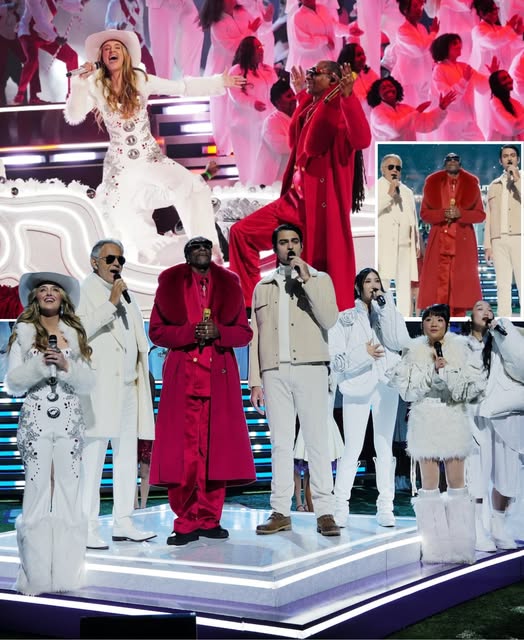
The rap icon, 54, headlined the NFL’s second-ever Christmas Halftime show on Thursday, Dec. 25, and brought on some impressive talent for the event — from Lainey Wilson and a trio of K-pop stars to a cameo from Snoop’s longtime friend Martha Stewart.
Following Stewart’s introductory reading of “‘Twas the Night Before Christmas” (with a twist), Snoop — donning a red suit and jacket — opened with the familiar beat of “The Next Episode” and ran through some of his hits on stage, such as “Drop it Like it’s Hot,” with a live orchestra.
Soon following were Huntrix performers Ejae, Audrey Nuna and Rei Ami‘s rendition of “The 12 Days of Christmas.” Yes, they are indeed the KPop Demon Hunters singers, whose song “Golden” is up for a Grammy and may very well become Oscar-nominated as well.
Then, Wilson, 33, swooped in on a sleigh wearing a white jumpsuit and cowboy hat to sing “Santa Claus is Coming to Town.” Fans were wowed and showed their appreciation in the comments section of Netflix’s recent joint Instagram post with the beloved country star. “Straight up Dolly Parton vibes,” wrote one user, while another person commented, “Lainey sleighed…..”
The show ended with a “White Christmas” rendition by Andrea Bocelli and Matteo Bocelli, a performance that The Hollywood Reporter described as whiplash-inducing, given the wildly different numbers that played out leading up to the Bocellis’ appearance.
Snoop’s show on Thursday marked the second time the NFL has done a Christmas halftime concert, following Beyoncé‘s Emmy-nominated show last year. Netflix had confirmed Snoop as the halftime performer earlier this month for the Detroit Lions-Minnesota Vikings game. And the famed music artist is no stranger to this sort of performance, having headlined the 2021 Super Bowl Halftime Show in Los Angeles alongside Dr. Dre, Mary J. Blige, Eminem and Kendrick Lamar — which was certainly one for the books.
“It wasn’t a performance — it was a conversation between two hearts, one living, one eternal.”
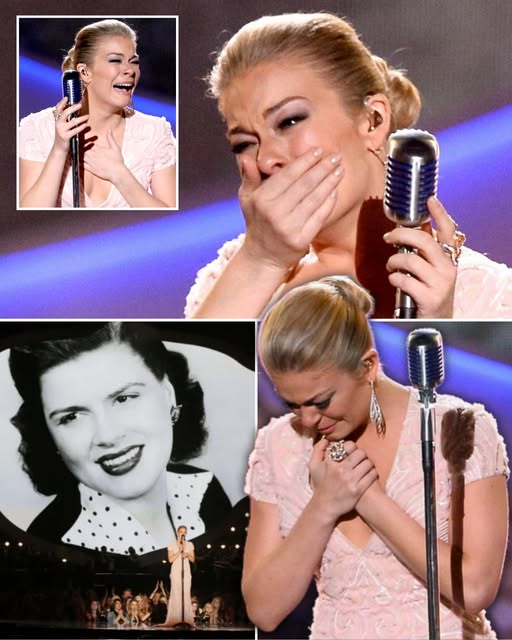
The lights dimmed. The crowd held its breath. And then — under a single, soft spotlight — LeAnn Rimes stepped forward, her eyes glistening as the first trembling note escaped her lips.
The song? A medley of Patsy Cline’s greatest classics — a soul-stirring tribute to the woman who paved the way for every voice that dared to blend heartbreak and beauty.
From “Crazy” to “Sweet Dreams” and “I Fall to Pieces,” LeAnn’s voice didn’t just sing — it remembered. Every note shimmered like candlelight, flickering between past and present, love and loss.
A Voice That Bridges Generations
As she sang, it was as though time itself folded — the spirit of Patsy Cline seemed to drift through the room, her presence felt in every tremor of LeAnn’s voice.
“She taught me how to feel,” LeAnn whispered between songs. “Not just to sing — but to feel.”
The orchestra swelled softly behind her, strings sighing like distant memories. Each lyric carried the weight of gratitude — one artist paying homage to the woman who made it possible for her to stand there at all.
The Moment That Broke Her
By the time she reached the final verse of “Sweet Dreams (Of You),” LeAnn’s composure faltered. Her hand flew to her mouth as tears streamed down her face. The crowd, sensing the sacredness of the moment, didn’t move — didn’t clap, didn’t cheer — just stood in silence, hearts breaking in unison.
“I felt her,” LeAnn said softly afterward. “Right there with me.”
A Communion, Not a Concert
When the final note faded, the audience finally rose — not with shouts or whistles, but with a quiet, trembling ovation. Many were crying. Some simply stood, heads bowed, as if in prayer.
What LeAnn gave that night wasn’t just a tribute — it was communion. A bridge between two eras, two souls, and the timeless ache of country music’s most beautiful ghost.
And as she left the stage, whispering “Thank you, Patsy,” it felt less like an ending and more like a promise:
On a crisp Sunday morning in the heart of London, thousands of worshippers and curious onlookers gathered not for a festival or carnival, but for something far more profound: the 2025 London Jesus Parade, an extraordinary procession that blended ancient biblical tradition with the vibrant spirit of the modern city.
The event — captured in a now-viral video shared widely online — brought together people of all ages, backgrounds, and walks of life. What began as a humble gathering grew into a moving celebration of faith, community, and collective hope that resonated far beyond the church pews.
Marchers wound their way through iconic London streets, banners held high, voices lifted in song. The atmosphere was at once reverent and jubilant — an echo of ages past woven into the rhythm of today’s metropolis. For many participants, this was more than a parade; it was an outward expression of an inward journey, a shared testimony of belief and unity.
Among them was Helen Morrison, 47, a teacher who had travelled from Manchester with her teenage children. “This isn’t about pageantry,” she said, tears of joy in her eyes. “It’s about reclaiming a sense of purpose — reminding ourselves and the world that love, compassion, and faith still have a place in our daily lives.”
Faces and Stories Behind the Celebration
Not all who walked were lifelong believers. Some came out of curiosity; others, seeking solace after personal hardships.
James Clarke, a 29-year-old musician who lost his sister earlier this year, explained why he joined the march: “I wasn’t sure what to expect… but when we started singing together, it was like her voice was there with us. It was healing.”
Nearby, an elderly couple — married for 52 years — held hands with smiles that seemed to reflect not just their union, but a lifetime of faith shared together. For them, the parade was a living testament to endurance, gratitude, and the bonds that tie generations.
A City Transformed, Even If Just for a Morning
Londoners who watched from sidewalks and cafes quickly found themselves drawn in. Tourists paused with phones raised; commuters slowed their pace to take in the unexpected procession. Some were sceptical at first, unsure of what the event represented. But by midday, many were quoting lines from the hymns, snapping photos, or even joining in the chorus.
“It was like the city held its breath,” said Sophie Turner, a librarian who stumbled upon the parade while walking her dog. “For a moment, there was no traffic, no rush, no noise — just this beautiful wave of people celebrating something timeless.”
More Than an Event — a Movement
What sets the London Jesus Parade apart from countless other gatherings is its deliberate fusion of ancient biblical reverence with the inclusivity of city life. Organisers had explicitly welcomed anyone who felt moved to participate — believers and doubters alike — creating a sense of unity rarely seen in public demonstrations today.
Local pastor Reverend Mark Davies, one of the event coordinators, said: “This is not about division. It’s not about doctrine. It’s about reminding ourselves why we walk this earth together — with compassion, dignity, and hope for each other.”
Echoes That Last After the March Ends
By late afternoon, the crowds had dispersed, returning to their routines. But the impact lingered. Social media feeds filled with personal reflections, photos, and videos. Debates sparked — not heated arguments, but thoughtful conversations about faith, belonging, and what it means to celebrate something greater than oneself.
For those who marched — from children clinging to their parents’ hands to seniors nodding with serene smiles — the 2025 London Jesus Parade will be remembered not as a spectacle, but as a heartfelt affirmation of community and belief.
As one marcher simply put it: “Today wasn’t about the world watching us. It was about us remembering why we’re here — together.”
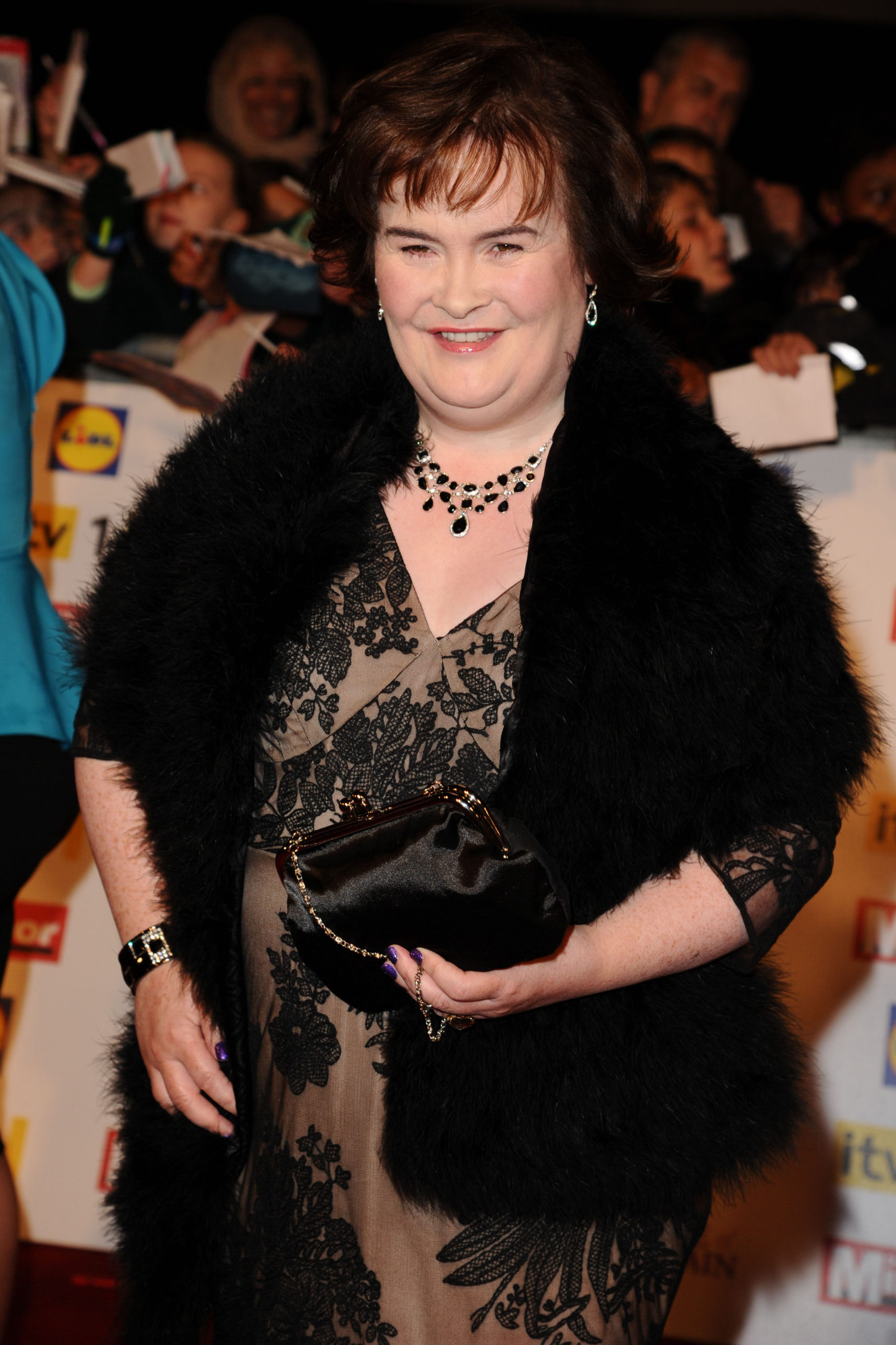
Susan Boyle captured the hearts of music lovers around the world when she first appeared on the third season of “Britain’s Got Talent” over a decade ago.
The video of her first audition when she stood in front of Simon Cowell, shy and unassuming and then blew everyone away with her rendition of “I Dreamed a Dream” from Les Misérables has been watched by millions.
She gained fame, as well as earned millions of dollars through album sales. However, her journey hasn’t all been sunshine and roses, and the singer’s love life has long been the subject of rumors and speculation.
So, did Susan Boyle ever marry? Does she have a partner? And where is she living now?
It’s quite natural to stop and look in the rearview mirror as you grow older – and Susan Boyle can certainly look back on a remarkable life.
In 2008, the unemployed charity worker lived alone with her cat, Pebbles, and wanted to see if she could make it in show business. After performing I Dreamed a Dream from Les Misérables in front of Simon Cowell and the rest of Britain’s Got Talent judges, the 47-year-old became a star overnight.
The crazy underdog audition gained her instant recognition across the world. Even today, her journey is inspiring to millions.
“I used to be a kind of spectator looking outward at the world. But now I’m part of that world and, though frightening, I’m going to embrace it,” Boyle said after her breakthrough.
In her first year as a superstar, she made $6.8 million.
Her success continued and after the release of her second studio album, she became the third artist to top the charts in the UK and the US twice in the same year.
Overnight this unassuming and shy then 47-year-old from Scotland became an international superstar and a millionaire.
Even though her career took her around the globe and made her a multi-millionaire, Susan Boyle has always remained honest, down-to-earth, and genuinely caring.
Unlike many other celebrities, she has never flashed her cash; the humble singer still lives in her childhood home in Blackburn, Scotland.
She purchased the modest house in 2010.
Shutterstock
”It’s best to be grounded and with your roots. It keeps you grounded and prevents you from saying things maybe you shouldn’t say,” she told OK!.
Susan Boyle was born on April 1, 1961. Her parents – Patrick Boyle, a miner, WWII veteran, and singer, and Bridget, a shorthand typist – were both immigrants from County Donegal, Ireland. Boyle grew up as the youngest of four brothers and six sisters.
The family lived in a council house in West Lothian, Scotland. Still to this day, Susan lives in that house.
She could have done anything, gone anywhere, bought a mansion in Beverly Hills, but instead, she returned to her childhood home, a four-bedroom ex-council house in Blackburn, Scotland, bought it, and turned it into the home of her dreams.
In a tour of her newly decorated abode, which she’s called home for 60 years now, she reveals her stunning new piano room which is the first thing you see when you enter her home.
She joked about her piano room as she said she’d only just started having lessons.
“That’s a giggle for a start because I can’t even do scales,” she joked.
The newly renovated kitchen used to be small and sparse with a table in the center near the oven which she said made it hazardous, but the renovation gives her a lot more space and many updates. It even has a framed photo of Susan meeting Pope Francis.
Her living room is bright and homey and full of pictures of her family. Susan is the youngest child of 7 brothers and sisters so originally her house occupied 9 people. It must feel a lot roomier now.
As you move through the home, you see her career documented in various framed awards and accolades along with many cute animal ornaments, a testament to her gentle nature and down-to-earth personality.
Upstairs Susan shows us what used to be the room she once shared with her two sisters which then became hers after her sisters left home. She recalls the record player that used to sit in the corner and how she was a huge fan of The Osmonds.
Her father died in the 1990s by which time her brothers and sisters had all left home. Susan stayed at home and cared for her elderly mother until her death in 2007 so the household’s precious memories for the superstar.
“Some people seem surprised that I choose to stay in my family home. Why shouldn’t I? I feel Mum is still here and there are so many good memories … I’ve spent most of my life in this house and I won’t move now, because I feel it’s part of my new history,” she said.
Susan Boyle has always been open about the fact that she wants to meet the love of her life and find a long-term partner. That person will of course move into her house – because Susan is not leaving.
While SuBo is patiently waiting to meet ”Mr Right”, there is something else that has been bothering her for a while. Susan has always wanted to be a mother and have children of her own.
”I’ve never had any of my own, that’s my biggest regret, but I love kids. They’re good fun to be with,” she told The Sun.
As a 60-year-old woman, time is not exactly on her side. But Susan Boyle has opened up on perhaps adopting or becoming a foster parent for children who need a safe and loving home.
“I’ve a lovely house, why not share it?” she said.
Susan’s home reminds us all that despite her overnight stardom she’s still an everyday person who chooses to live the quiet life in the only home she’s ever known.
It’s such a shame her parents couldn’t have witnessed her rise to stardom.Please share.
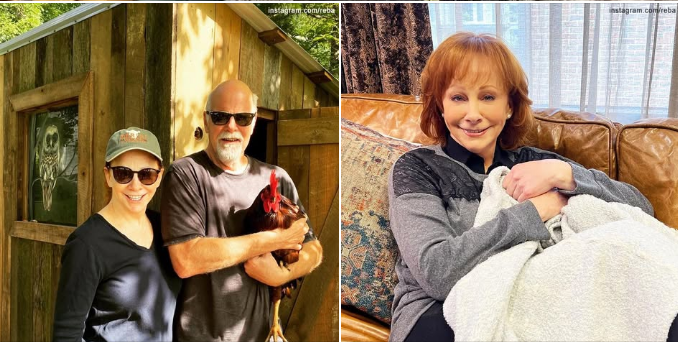
Reba McEntire, the beloved country music icon and judge on “The Voice,” has always enchanted fans with her melodious voice and heartfelt lyrics. Beyond her illustrious career, her heartwarming romance with actor Rex Linn has recently captured the hearts of her followers.
ADVERTISEMENT
Reba McEntire and Rex Linn on the “America’s Got Talent” Red Carpet, September 20, 2023 | Source: Getty Images
Though they haven’t walked down the aisle, Reba McEntire and Rex Linn share a bond that transcends the conventional. Their love story, blossoming amidst the challenges of the COVID-19 pandemic, is a testament to their deep connection. The couple, who started dating virtually, found a way to nurture their relationship before it blossomed into something more tangible.
Their chemistry isn’t just limited to their personal lives; it also extends to their professional endeavors. The duo recently lit up social media with their joint appearance on “The Voice.” Fans were treated to a delightful carousel of photos on Instagram, showcasing the couple sharing a chair on the set, with McEntire playfully reminding her followers to support her team. However, it wasn’t just the show’s competitive spirit that caught her fans’ eye.
ADVERTISEMENT
ADVERTISEMENT
The comment section of McEntire’s post turned into a warm celebration of their relationship. Fans gushed over them, calling them a “beautiful couple” and lauding Linn as a “lucky man.” Their happiness was evident in every picture, resonating with fans who shared their well wishes and joy. McEntire’s happiness with Linn is palpable.
She openly expresses her love and admiration for him on social media, celebrating their unwavering support for each other. Their journey from virtual dates to inseparable partners is a modern love story that resonates with many.
Amidst swirling rumors of an engagement, sparked by McEntire sporting a ring on a particular finger during “The Voice” taping, the star was quick to set the record straight. She confirmed they weren’t engaged, playfully noting that the ring was more about stirring conversation than signaling a wedding.
Reba McEntire is a famous country musician who has dominated the music industry for many years, headlining countless shows. Some of the hits the queen of country has released are “I’m a Survivor,” “Fancy,” and “You Lie.”
ADVERTISEMENT
In addition to her top-charting discography, she is also the proud owner of an African-inspired cowboy-styled home in Nashville, Tennessee. Having sold her Beverly Hills mansion in 2015, this eye-catching property is where she currently resides.
Reba McEntire in her mansion in Nashville, from a video dated November 20, 2020 | Source: YouTube/RebaMcEntire
Reba McEntire in her mansion in Nashville, from a video dated November 20, 2020 | Source: YouTube/RebaMcEntire
ADVERTISEMENT
McEntire lovingly decorated the house in a style she called “African Cowboy.” She has photos taken on her safaris to Africa, combined with Western-motivated objects hanging throughout the house. These items include dark woods, rich leathers, and steer heads.
Reba McEntire in her mansion in Nashville, from a video dated November 20, 2020 | Source: YouTube/RebaMcEntire
According to the legendary musician, she wanted a house that authentically showcases her. McEntire said:
“I love a home that is warm, inviting, and friendly. You never have to ask to take your shoes off at the door here!”
ADVERTISEMENT
Reba McEntire in her mansion in Nashville, from a video dated November 20, 2020 | Source: YouTube/RebaMcEntire
Reba McEntire in her mansion in Nashville, from a video dated November 20, 2020 | Source: YouTube/RebaMcEntire
ADVERTISEMENT
The beautiful mansion is filled with amenities that make her comfortable and at ease and breathtakingly curated art. The house also has warm textures, and inside the kitchen, there is a breakfast counter with marble worktops and wooden and leather stools.
Reba McEntire in her mansion in Nashville, from a video dated November 20, 2020 | Source: YouTube/RebaMcEntire
Reba McEntire in her mansion in Nashville, from a video dated November 20, 2020 | Source: YouTube/RebaMcEntire
ADVERTISEMENT
The kitchen’s interior features cream vintage cabinets with black handles, shelves hosting coffee mugs, an American-style fridge, and white flowers. Another kitchen angle reveals glass cabinets displaying wine glasses, shelves holding cookbooks, a television, and family photos.
Reba McEntire in her mansion in Nashville, from a video dated November 20, 2020 | Source: YouTube/RebaMcEntire
Reba McEntire in her mansion in Nashville, from a video dated November 20, 2020 | Source: YouTube/RebaMcEntire
ADVERTISEMENT
The kitchen opens into the dining room, which has floor-to-ceiling windows and a wooden table.
Reba McEntire in her mansion in Nashville, from a video dated November 20, 2020 | Source: YouTube/RebaMcEntire
Reba McEntire in her mansion in Nashville, from a video dated November 20, 2020 | Source: YouTube/RebaMcEntire
ADVERTISEMENT
Meanwhile, the living room has a plush cream-colored sofa with a blanket on top, a laced wooden side table with family pictures, and a Christmas tree adorned with white crosses. The house also features a garden where a black wicker dining table sits pretty with matching chairs.
Reba McEntire in her mansion in Nashville, from a video dated November 20, 2020 | Source: YouTube/RebaMcEntire
Reba McEntire attends the 53nd annual CMA Awards at Bridgestone Arena on November 13, 2019 in Nashville, Tennessee. | Source: Getty Images
ADVERTISEMENT
Romance with Boyfriend Rex Linn
McEntire has been dating famous Hollywood actor Rex Linn away from releasing music and touring. The pair met in 1991 while working on the movie “The Gambler Returns: The Luck of the Draw.” Since then, they have kept in touch but only became romantically involved in 2020. They couple, who also have a lot of mutual friends, reconnected when they went out for dinner.
ADVERTISEMENT
ADVERTISEMENT
McEntire, who was previously married to her manager Narvel Blackstock for 25 years before their divorce in 2015, revealed she and Linn texted and called each other a lot during quarantine to get acquainted.
Linn recorded and directed the video clip uploaded on the app where McEntire fed her donkeys.
ADVERTISEMENT
Linn was the first guest on the singer’s debut episode in the second season of her Spotify podcast “Living & Learning with Reba McEntire.” The lovely couple talked about how they kept in touch during the lockdown, including their scheduled coffee camp, which served as an avenue for them to know each other better without pursuing any physical aspect of their relationship.
ADVERTISEMENT
ADVERTISEMENT
With Linn in California and McEntire in Tennessee, the couple held digital coffee dates, which sometimes started at 3. a.m. every day for months without missing a day. The actor would also send McEntire food from all over the country numerous times, which allowed them to develop an emotional intimacy despite their distance.
Reba McEntire pictured onstage during The 54th Annual CMA Award, 2020, Nashville, Tennessee. | Source: Getty Images
Some of the mouth-watering treats were McConnell’s ice cream, lobster rolls, and pecan pie which McEntire confessed was her favorite. The singer declared the pecan pie was so good that she kept the box and Linn’s note that accompanied it. She was always thrilled whenever she saw any delivery person arriving because it meant Linn had sent something else.
ADVERTISEMENT
ADVERTISEMENT
Linn revealed their special relationship went up a notch when McEntire’s mom was diagnosed with cancer. After the diagnosis, the actor told the singer that she could call him at any moment so that they could talk and the two have been doing exactly that ever since.
ADVERTISEMENT
He also recalled an emotional moment between the two in the late 90s. Linn’s mother had just died, and the day she was buried, the actor’s sister informed him he had a call. It was McEntire on the phone.
She had called to offer her condolences and talk with him because she understood what he was going through. The actor explained they talked for 25 minutes, and it was unique and uplifting. Linn held on to this touching gesture, and then, more than twenty years later, he did the same for McEntire.
ADVERTISEMENT
Marriage Plans
In an interview with Extra in 2021, McEntire spoke about her thoughts on her and Linn taking the next step in their relationship and getting married. According to her, they have talked and giggled about the possibility of walking down the aisle.
ADVERTISEMENT
However, they decided that if they ever came to take that step, she and Linn would have to schedule their wedding ceremony multiple times in a day since they have many mutual friends, acquaintances, and family they’d love to attend.
ADVERTISEMENT
In 2023, McEntire went ahead to say that the decision lies in Linn’s hands, but if he wants them to get married, that’s fine with her. She noted that she has been married twice while her boyfriend has never tied the knot, so if he wants the two of them to take the relationship to another level, the choice was his.
Presently the couple is enjoying spending time together. The music star gushed over her boyfriend and revealed their nicknames for one another. McEntire said:
“I’m ‘Tater Tot,’ he’s ‘Sugar Tot’ — we’re the ‘Tots.’ Great storyteller, total gentleman, and hysterical.”
ADVERTISEMENT
Their shared experience in the entertainment industry has created a profound bond between the two lovebirds. While McEntire is a popular entity in the music business, Linn is a veteran in the movie industry. They also share traits of being wannabe cowboys and cowgirls, respectively.
The couple has also become famous figures on the social media platform TikTok. Linn recorded and directed the video where McEntire fed her donkeys, and it was shared on the app.
The music star also gave her opinion on the news that her stepson Brandon, from her marriage to ex-husband Narvel Blackstock, would be divorcing his wife, Kelly Clarkson.
ADVERTISEMENT
Having gone through the same ordeal when she left Blackstock multiple years prior, she declared she loves her stepson and his ex-wife Clarkson. McEntire also explained she was praying for both Brandon and Clarkson. She hoped they were both healthy and happy and would pull through the difficult situation.
MALMÖ SWEDEN The Eurovision Song Contest is a platform synonymous with glitter theatrics and high-octane pop but occasionally a performance transcends the competition becoming a moment of profound cultural and emotional connection That moment arrived this year courtesy of the Italian operatic pop trio Il Volo Their rendition of the newly composed piece Storie Italiane was not merely a song entry it was a breathtaking artistic statement a powerful distillation of history melody and human emotion
The trio Il Volo stepped onto the stage with the familiar gravitas that defines their style But as the opening notes of Storie Italiane began to swell the atmosphere shifted from competitive excitement to awestruck reverence The melody itself was rich and complex weaving traditional Italian cinematic scores with contemporary classical arrangements creating an immediate sense of nostalgia and epic scope
From the first powerful tenor note delivered by Piero Barone to the final sustained baritone of Gianluca Ginoble and the flawless harmonization of Ignazio Boschetto Il Volo just delivered a mesmerizing performance of Storie Italiane at Eurovision The power of their voices was absolute controlled yet surging with palpable emotion Each vocalist brought a distinct shade to the composition Barone’s intensity Ginoble’s warmth and Boschetto’s lyrical precision combining to create a single towering emotional sound
The performance left no room for indifference The song’s lyrical theme is a meditation on the enduring soul of Italy the resilience of its people the echoes of history and the unbreakable bonds of family Every note was like a message Storie Italiane is not just a song but an emotional journey through time
A RIVER OF EMOTION STANDS AND SCREENS IN TEARS
The reaction both inside the arena and across the global live-stream was immediate and intensely emotional The song’s universal themes of endurance and memory resonated deeply with an audience already primed for high drama leaving both the stands and the online audience in tears
In the stadium thousands of flags were lowered and faces were buried in hands as the raw operatic emotion washed over them Online reaction was equally fervent with the official Eurovision social media channels recording an unprecedented spike in comments all centered on the collective feeling of being completely overwhelmed by the trio’s vocal delivery Viewers spoke of being transported back to memories of their own heritage their own family histories and moments of profound personal significance The song served as a mirror reflecting the deepest emotional experiences of the listener
The beauty of the performance lay in its sincerity Il Volo did not rely on elaborate staging or distracting choreography Their focus was singular and pure the delivery of the song itself The performance was a deliberate choice to showcase the power of the human voice and the timeless strength of a well-crafted melody proving that sometimes the most effective way to touch the modern audience is through classic unfiltered emotion
THE LEGACY THE MUSIC TRANSCENDS THE CONTEST
Storie Italiane is destined to be remembered as one of Eurovision’s great non-winners a performance whose cultural impact far outweighed its final placement in the rankings It was a powerful reminder that music has the ability to connect generations and transcend political boundaries The trio achieved what few performers ever do they turned a highly commercialized televised contest into a genuinely moving artistic experience
Il Volo’s success with this piece lies in their ability to tap into the very essence of human experience using their immense vocal talent to bridge the gap between high art and popular appeal The song is a testament to the enduring beauty of the Italian musical tradition and a triumphant celebration of emotional vulnerability The journey through time they offered was a gift a rare moment of collective cultural introspection delivered through three perfect voices
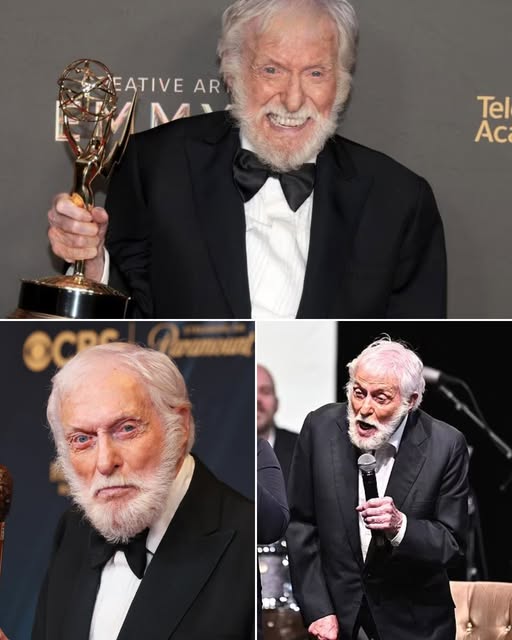
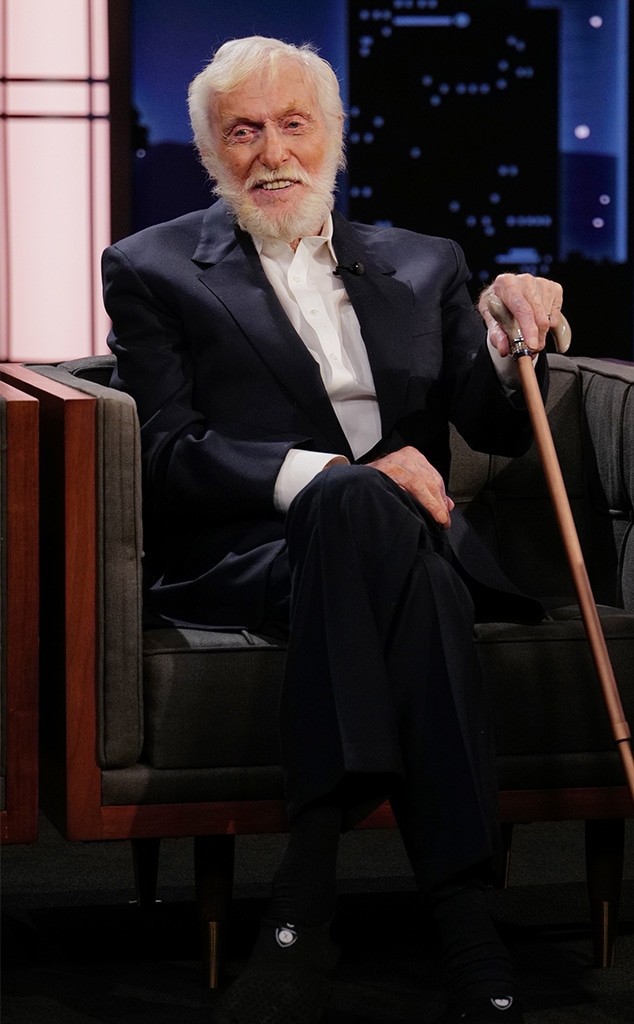
Dick Van Dyke started celebrating his upcoming 100th birthday early by hosting a two-hour sing-a-long charity event with fans on Nov. 30 in Malibu, Calif. (via People). The event, which the icon co-hosted with his wife, Arlene Silver, raised funds to benefit the Dick Van Dyke Museum and The Van Dyke Endowment of the Arts.
“There are several reasons for having these — all good — but mine is to revive the art of conversation,” Van Dyke told the audience. “I don’t care if you’re on a street, you’re in a bus or in a restaurant, everybody’s looking at their phones. Nobody talks. I’ve seen young couples having dinner together and they’re both looking at their phones. I may be the only person in the United States over 10 who does not have a cell phone. I don’t have a phone.”
Van Dyke will turn 100 years old on Dec. 13. Along with his quartet The Vantastix, he sang some of the most famous songs from his career at the event in addition to personal favorites. The group started by performing “Chitty Chitty Bang Bang,” the title song from the actor’s 1968 classic, and ended with “Let’s Go Fly a Kite,” the classic number from “Mary Poppins.” Van Dyke also performed other favorites from those movies, including “You Two” and “Supercalifragilisticexpialidocious.”
According to People: “At one point, a fan asked Van Dyke what his favorite part of the Christmas season is, which he said was always ‘the singing, the caroling.’ On that note, he and The Vantastix sang ‘Caroling, Caroling’ by Nat King Cole.”
Other songs during the sing-a-long event included “Carolina in the Morning” and the theme song to “The Dick Van Dyke Show,” the actor’s iconic CBS sitcom that ran for five seasons from 1961 to 1966.
Earlier this fall, Van Dyke reflected on his upcoming 100th birthday by telling fans: “I brag sometimes about how I made it to 100 and the truth is, if I had known I was going to live this long, I would’ve taken better care of myself. And it is frustrating because I don’t know what I did right. Other than [my wife, Arlene], I didn’t do anything right.”
In an interview with Variety last year to mark his CBS special “Dick Van Dyke: 98 Years of Magic,” the actor spoke lovingly about his career in Hollywood and said: “I enjoyed everything I did, and not a lot of people can say that.”
“I left a good example for a young generation,” he added about what he thinks his legacy is in Hollywood. “I have a positive effect on kids. And I can tell by the mail I get from kids that I’ve had a good effect. They want to emulate that behavior. And that, I think, is why what we really accomplish is worthwhile. I’m so happy the impact I had was a positive one, and I’m perfectly satisfied with that.”
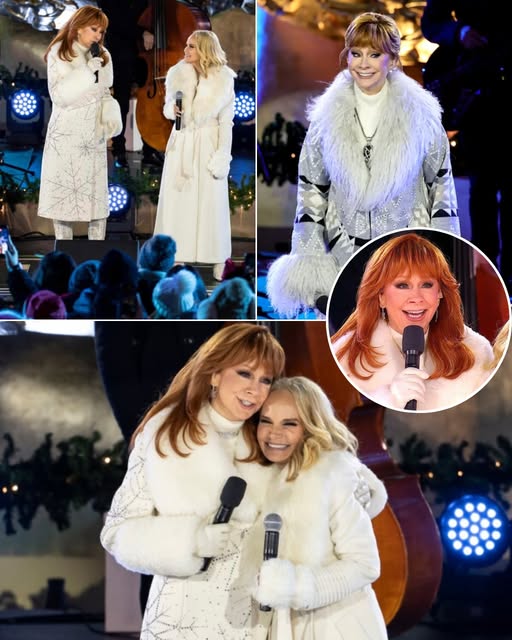
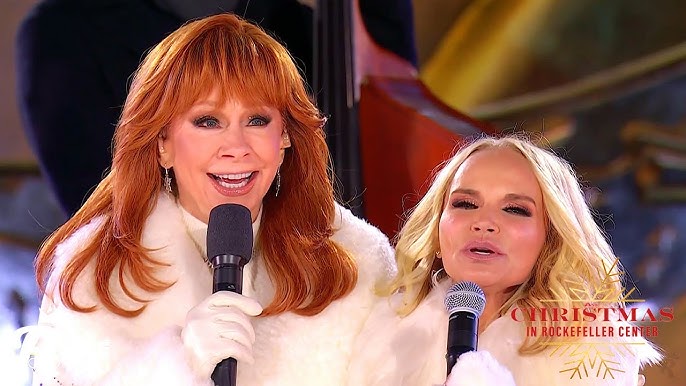
When the Rockefeller Center tree flickered to life and winter air swept through New York City, no one expected the moment that followed: Reba McEntire and Kristin Chenoweth stepping into the spotlight, side by side, to sing “Silver Bells” — a simple Christmas classic that somehow felt brand new.
From the very first note, it became clear: this wasn’t just a performance — it was a memory being made.
Soft wind, glittering lights, and two smiles that felt like they had existed in holiday postcards long before the internet ever did. The scene had that rare magic — vintage charm wrapped in modern grace, warm as cocoa beside a fireplace.
When Country Soul Meets Broadway Brilliance
Reba’s warm, raspy, storytelling voice — the kind that feels lived-in, familiar, like childhood — blended with Kristin Chenoweth’s bright, soaring Broadway tone, and suddenly “Silver Bells” wasn’t just heard… it was felt.
People in the plaza said the air changed — the kind of hush that happens when the heart listens before the mind even realizes it.
When Kristin floated into the line “Christmas time is here…” heads lifted, lights glowed brighter, and strangers shared silent smiles — the kind that say: I remember this feeling. I’ve missed it.
Reba’s eyes shimmered with nostalgia — as if she’d tucked a thousand Christmas mornings into that melody, offering them back to the crowd with grace and gratitude.
A Busy City Suddenly Went Still
Rockefeller Center is usually noise — taxis, footsteps, laughter, horns, and chaos. But during that song, New York sounded different.
Phones lowered. Conversations stopped. A grandmother paused, clutching her grandchild’s hand. A couple leaned closer, their foreheads touching. Dozens simply stared upward — eyes shining, breath visible in the cold.
The music didn’t erase the winter chill — it softened it. It reminded the crowd that warmth isn’t heat — it’s connection.
A Song — and a Soft Reminder
Silver Bells is simple. Familiar. Predictable. But under Reba and Kristin’s voices, it became something else — a quiet, gentle reminder.
Even when life feels loud or heavy — there is still wonder. There is still kindness. There is still love.
People walked away differently — with slower steps, fuller hearts, and someone’s hand firmly held in their own. Some wiped tears. Some laughed. All of them remembered what Christmas is supposed to feel like.
A Performance That Won’t Fade
By the time the video hit the internet, the comments spoke louder than any review:
“This wasn’t a performance — it was comfort.” “I cried from the first note to the last.” “This… this is what Christmas used to feel like.”
No special effects. No theatrics. Just two women, one timeless song, and a crowd willing to believe in magic — even if only for three and a half minutes.
And that — more than lights, more than applause, more than holiday spectacle — is why this moment will be replayed every December, long after the season ends:
While the Kennedy Center Honors will not be broadcast until December 23, the medals were presented to the 2025 honorees a few weeks beforehand.
Meeting in the Oval Office of the White House on Saturday, December 6, President Donald Trump, who is chairman of the Kennedy Center Board of Trustees, presented the medals to the honorees, describing them as “truly exceptional.”
Expressing that he was pleased to invite the 2025 Kennedy Center Honorees to the Oval Office, Trump said, “This is a group of icons whose work and accomplishments have inspired, uplifted, and unified millions and millions of Americans.”
Further, he stated, “This is perhaps the most accomplished and renowned class of Kennedy Center Honorees ever assembled.”
The 48th class of honorees include:
Country artist George Strait
Stage actor Michael Crawford
Film actor Sylvester Stallone
Disco singer Gloria Gaynor
Rock band KISS
Of the honorees, Trump said:
“We can hardly imagine the country music phenomena without its ‘King of Country,’ or the American disco without its ‘First Lady,’ or Broadway without its ‘Phantom,’ or Rock ‘n’ Roll without its hottest band in the world, or Hollywood without one of its greatest visionaries.”
Trump added, “Each of you has made an indelible mark on American life, and, together, you have defined entire genres and set new standards for the performing arts.”
On behalf of the American people, Trump then thanked all of the honorees.
Trump Presents George Strait With His Kennedy Center Medal
“We have country music legend George Strait,” said Trump, following a brief teleprompter malfunction.
Strait, who is known as the “King of Country,” wore his signature cowboy hat, but with a formal suit and a bowtie.
Stepping toward the president, he motioned to take off his hat, but Trump stopped him as he began to place the medal on him, saying, “If you want leave that on, you can. I think we can get it through.”
Instead, Strait went ahead and removed his hat, compelling Trump to remark, “Oh, he’s got good hair.”
Strait replied, “A little bit. I’ve still got a little bit.”
Trump, who has a famous head of hair himself, added, “I’m surprised. Sometimes they take it off and there’s not a lot.”
With a smile, Strait said, “There’s not a lot.”
Trump then placed the medal on him, and the two shook hands.
From there, the other honorees were given their medallions as well.
Watch Trump present the Kennedy Center Honorees with their medals, here:
About The Kennedy Center Honors
“As you know, the [Kennedy Center] building is renovated, fully renovated,” Trump said after presenting the medallions to the 2025 honorees on December 6. “It’s being, I would say, fixed at a level nobody’s every seen before. We’re going to make it something really special.”
Stating that the building is “tired” and “has been mistreated,” Trump compared it to the White House, adding, “We’re bringing it back to a level that I don’t think any place in the country will see.”
He said there’s new marble and improved acoustics, with Trump stating, “When you have great sound, you take advantage of it, and the Kennedy Center has great sound.”
Back on February 12, Trump was unanimously elected chair of the Kennedy Center Board of Trustees after he dismissed Biden’s appointees and had several officials terminated.
Among those he appointed to the board are U.S. Attorney General Pam Bondi and Second Lady Usha Vance, as well as Lee Greenwood and Fox News host Laura Ingraham.
HHS Secretary Robert F. Kennedy Jr., the nephew of the Kennedy Center’s namesake, serves as an ex officio member, as designated by Congress.
Additionally, First Lady Melania Trump is an honorary chair of the board, as is customary for First Ladies.
During a March 17 meeting with the board, Trump outlined how he sees the Kennedy Center as part of a larger restoration of Washington, D.C., saying, “It’s a very big part of the fabric of Washington, D.C., and we’re going to make our capital great again, just like we’re going to make our country great again.”
On that same day, he told CBS Sunday Morning, as broadcast on March 30, that changes to the Kennedy Center will not just be in programming, but in the facility itself.
“We’ll make a lot of changes, including the seats, the decor, pretty much everything,” Trump said. “It needs a lot of work.”
However, it is questions of programming and artistic freedom at the arts center that continue to concern critics of the president.
Looking ahead to the 48th Kennedy Center Honors, Trump told the board in audio acquired by CBS that the next honorees should be “slightly more conservative.”
 A Voice That Bridges Generations
 The Moment That Broke Her
 A Communion, Not a Concert











 When Country Soul Meets Broadway Brilliance
 A Busy City Suddenly Went Still
 A Song — and a Soft Reminder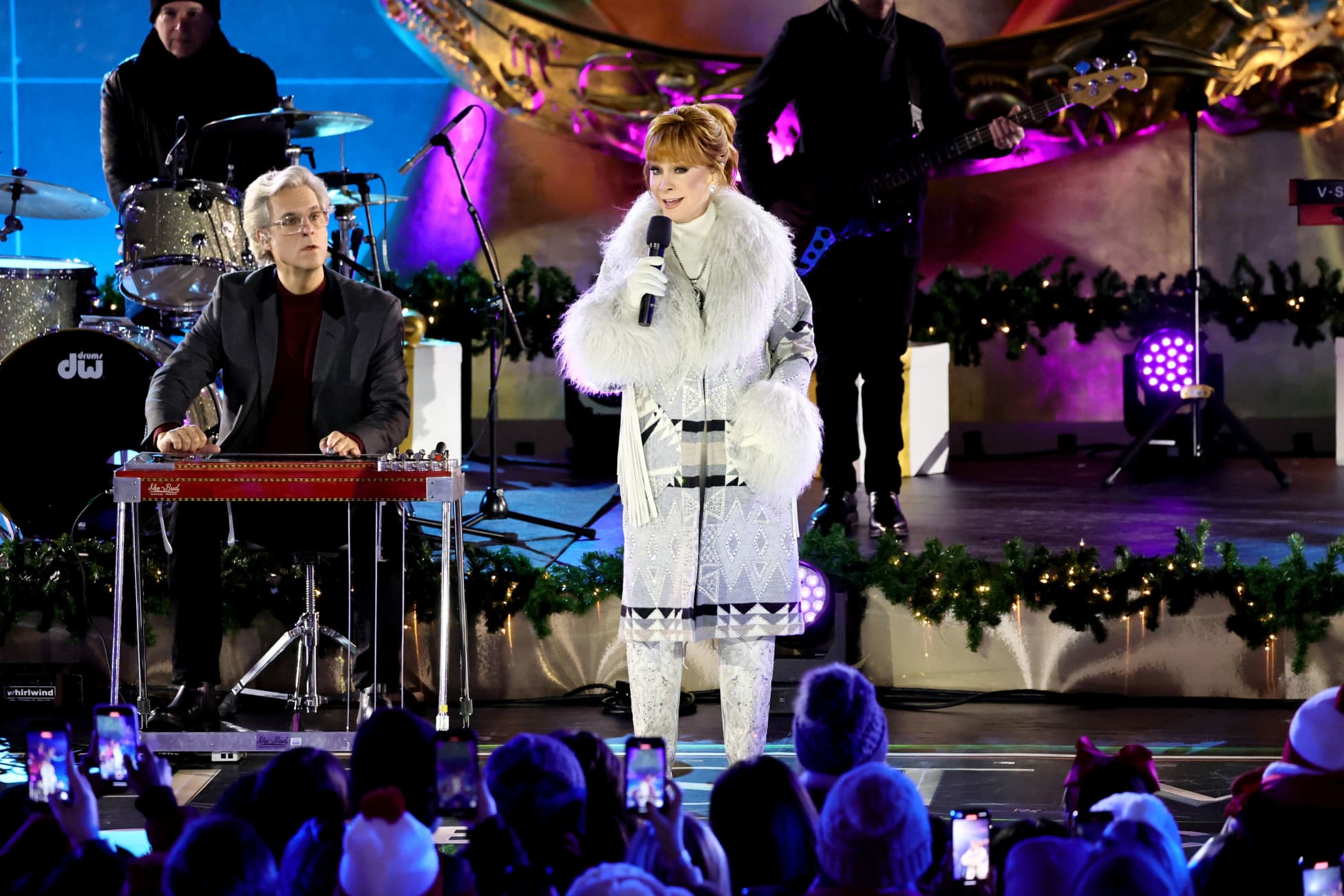
 A Performance That Won’t Fade