Deprecated: Function visual_composer is deprecated since version 5.8! Use wpbakery instead. in /home/dailygardeningmag/htdocs/dailygardeningmag.com/wp-includes/functions.php on line 6170 admin, Author at Daily Gardening Mag - Page 28 of 263
Kelly Clarkson’s performance of “Why Haven’t I Heard From You” at the CMT Giants Honor Reba event was a stunning tribute that showcased her vocal prowess and deep connection to the country music genre. The event celebrated the legendary Reba McEntire, and Clarkson’s rendition of McEntire’s hit song was filled with passion and energy, captivating the audience from the first note.
During the performance, Clarkson exhibited her incredible range and emotional depth, delivering powerful riffs and runs that highlighted her signature style. Known for her ability to blend various musical influences, she approached this country classic with a rock-n-roll spirit, infusing it with her own flair while respecting the original’s essence.
The performance wasn’t just a showcase of vocal talent; it was a heartfelt homage to McEntire, whom Clarkson considers a significant influence in her career. Their mutual respect and admiration for each other have been evident in past collaborations, and this performance further solidified their bond. Fans and critics alike were left in awe, praising Clarkson’s ability to connect emotionally with the audience, making it clear why she is regarded as one of the top vocalists of her generation.
Clarkson’s “Kellyoke” segment on The Kelly Clarkson Show has also featured numerous memorable covers, but this particular performance of “Why Haven’t I Heard From You” stands out as a fan favorite, reminding everyone of the magic that happens when two powerful female artists come together.
Kimberly and Robert W. Kirk never sought the spotlight. For more than four decades, they lived a steady life in Prospect Heights, Illinois, a quiet suburb of Chicago. Yet from the love, discipline, and guidance they poured into their home, they raised a son who would one day step into history and inspire millions.
Charlie Kirk’s story cannot be told without theirs. Married for over 40 years, Kimberly and Robert built a life rooted in enduring values. Theirs was a household where ambition was tempered by compassion, where faith and responsibility shaped every conversation, and where children were taught not just to dream, but to stand firm in the courage of their convictions.
Kimberly, a licensed mental health counselor, dedicated her career to helping others carry their burdens through life’s most difficult valleys. Before counseling, she sharpened her intellect in the world of finance at the Chicago Mercantile Exchange, one of the globe’s largest and most intense financial hubs. That early experience, demanding precision and resilience, became a foundation she carried both into her profession and into motherhood.
Robert built his career as an accomplished architect, his fingerprints left on high-profile projects including Trump Tower in New York City. His work demanded vision, precision, and perseverance — qualities he quietly instilled in his son. Around the family dinner table, in late-night conversations, and through the example of his own work ethic, Robert taught Charlie to respect both the process of building and the legacy of what one leaves behind.
Together, Kimberly and Robert nurtured a home where questions were welcomed, convictions were respected, and every child was seen not only as a son but as a future leader. Charlie, their youngest, carried that spark from the start. He was curious, restless, and fiercely independent — a boy who challenged ideas, who refused to accept easy answers, and who stood firm even when standing alone.
The values Kimberly and Robert instilled — honesty, empathy, faith, and a profound sense of duty — would define Charlie’s path. As the founder of Turning Point USA, he carried those lessons into the public square, empowering millions of young people to lift their voices in a divided world. His courage, his insistence on dialogue, and his refusal to shrink from conviction all traced back to the foundation his parents laid.
Then came September 10th, 2025 — the day their world shattered. The sudden, tragic death of Charlie Kirk at just 31 years old left not only a nation stunned but parents grieving a loss beyond measure.
“Our hearts are shattered,” Kimberly and Robert shared in their first public words. “Charlie brought light, joy, and purpose into our lives from the very moment he was born. He had an unyielding drive to inspire, to lead, and to make a difference. He was not only our son, but a beacon of hope for countless young people. His courage, vision, and dedication will never be forgotten.”
For Kimberly and Robert, Charlie was not the public figure the world knew — he was their son. They remember his laughter echoing through the house, his late-night questions about life and faith, and his stubborn determination to do good even when the world pushed back. He was loyal, compassionate, and unafraid to confront what he believed was wrong.
Their home in Prospect Heights, still quiet and steady, has now become a sanctuary of memory. Photographs, recordings, and family mementos keep alive the story of the boy they raised, the man he became, and the legacy he left behind. For Kimberly and Robert, the grief is immeasurable, yet so is their gratitude — for the outpouring of love from friends, colleagues, and millions who were touched by Charlie’s work.
Behind every public figure stands a family whose unseen sacrifices and values shape the person the world eventually comes to know. The Kirks are that story — a reminder that greatness is never born in isolation but in the soil of family, faith, and quiet resilience.
Charlie Kirk may be gone, but the roots his parents planted remain strong. His legacy of conviction and compassion, shaped by Kimberly and Robert’s love and wisdom, will continue to inspire generations. Their tribute is both a mourning of loss and a celebration of a life that mattered — not just to them, but to millions.
Even in heartbreak, Kimberly and Robert’s example reminds us: the bonds we forge, the lessons we impart, and the love we give can echo across time.
Through them, Charlie’s voice will never truly fade.
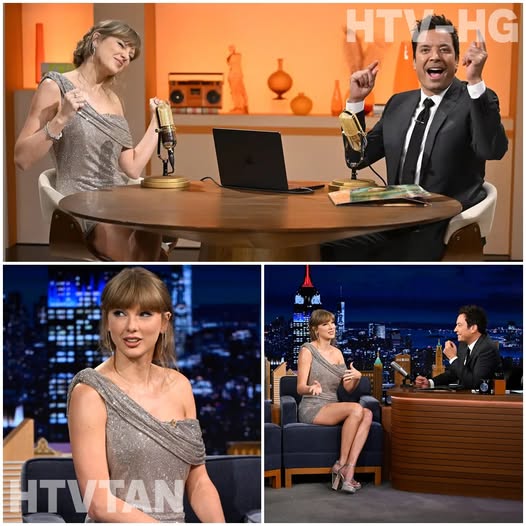
On Monday night, Jimmy Fallon didn’t just host Taylor Swift — he handed her The Tonight Show.
The episode, which clocked more than 50 minutes of Swift-focused airtime (including digital extras), effectively transformed The Tonight Show Starring Jimmy Fallon into The Taylor Swift Show. The word “TAY/kover,” already teased by Late Night with Seth Meyers for her upcoming Wednesday appearance, suddenly belonged to Fallon.
And it wasn’t subtle. From the shimmering orange title card to the show’s opening moments, it was clear this would be an all-Swift evening — a late-night flex that underscored both Fallon’s longstanding pop-culture savvy and NBC’s ongoing commitment to making The Tonight Show the network’s brightest, safest star.
The Mother of All Guests
Fallon opened with a grin that barely contained his excitement. “The mother of all guests, Taylor Swift, is here tonight,” he told his studio audience, pausing for a wave of cheers. “I just want to quickly thank all the Swifties around the world watching us tonight. Thank you for tuning in. Thank you for all your support.”
It set the tone for what followed: a celebration, not an interview. Even Fallon’s monologue — which usually mixes topical humor with pop-culture punchlines — was built around the guest of honor. Every joke about The Life of a Showgirl, Swift’s new album, landed as a tribute.
Then, in a move that broke Tonight Show protocol, The Roots interrupted.
“We don’t want to hear any more jokes tonight,” Questlove told Fallon. “Just do them tomorrow.”
Co-host Tariq Trotter chimed in: “We love you, but we’re here for her. Stop wasting time and bring her out already!”
The crowd went wild. Within seconds, Fallon ditched the usual desk piece, skipped the first commercial break, and introduced “the biggest pop star on the planet.” It was 11:40 p.m., barely five minutes into the show.
25 Minutes on Air — and 50 Online
What followed was The Tonight Show’s most guest-dominated episode in years. Swift appeared in three full segments, discussing The Life of a Showgirl, her engagement to Travis Kelce, and an array of rumors in a “myth-busting” game.
Fallon and Swift’s chemistry — honed over a decade of televised interactions — was effortless. They giggled, teased, and occasionally veered off-topic, while Fallon deftly played the enthusiastic friend rather than the probing journalist.
In total, Swift’s interview took up about 25 minutes of the 43-minute broadcast. But extended digital cuts released afterward revealed the full picture: Fallon and Swift actually talked for over 50 minutes, split into multi-part web exclusives promoted during commercial transitions.
It was part of a growing Tonight Show strategy — build the broadcast around star power, then push the overflow to YouTube and Peacock, where the clips drive millions of additional views.
Fallon’s “Event Television” Strategy
The episode marked one of Fallon’s most deliberate plays yet for pop-culture dominance. With late-night television fractured and viewership increasingly online, Fallon and NBC have leaned into the idea of event television — nights built around celebrities who can mobilize massive digital audiences.
And no one does that like Taylor Swift.
In the post–Colbert era, where politics have dominated other networks’ late-night output, Fallon’s show has become the industry’s go-to for musical megastars and blockbuster movie casts. His style — inclusive, friendly, and non-confrontational — creates an environment where big-name guests can relax and go viral for the right reasons.
Monday’s episode was textbook Fallon: low on tension, high on charm, and engineered for cross-platform virality.
The Swift Effect
Swift’s appearance was more than just another celebrity booking — it was her first late-night sit-down since 2022, timed to the release of The Life of a Showgirl. The episode drew an immediate response from Swift’s fandom, sending “Fallon” and “TAY/kover” trending on X within minutes of airing.
Throughout the night, the studio audience — packed with self-identified Swifties — treated each reveal as breaking news. Fallon, ever the master of the crowd, played along with a knowing grin.
Even the show’s regulars seemed in on the bit. During the opening, Questlove replaced his usual roll call of the episode number with a single shout: “She’s here!”
By the end, Fallon had essentially trned over his stage, desk, and camera crew to Swift. Their final segment featured a deep-dive into individual Showgirl tracks, filmed on a specially built set of orange lighting and curtain backdrops designed to mirror Swift’s tour aesthetic.
A Swift-Connected Guest List
Even after Swift left the stage, the night’s energy revolved around her. Fallon’s first question to his next guest, actress Keri Russell, was about a moment from early in Swift’s career — a callback to an obscure anecdote LateNighter had resurfaced days before.
And the evening’s musical guest, The Format, carried a subtle Swift connection of their own: frontman Nate Ruess was a past collaborator of Jack Antonoff, Swift’s longtime producer until her latest sonic reinvention.
If Fallon’s episode had been a thesis, it was this: there’s no such thing as too much Taylor.
Fallon vs. Meyers: A Friendly Rivalry
The timing added an extra layer of late-night intrigue. Fallon’s NBC counterpart, Late Night with Seth Meyers, had already promoted Swift’s Wednesday visit as a “TAY/kover” — a cheeky play on her takeover of the show.
By rolling out his own unofficial TAY/kover two days earlier, Fallon both outflanked and complemented his lead-out. The result is a rare instance of two late-night programs on the same network coordinating around the same star — an old-school promotional synergy that recalls NBC’s heyday during the Friends and ER era.
For Meyers, Wednesday’s show now carries the weight of following Fallon’s mega-event. For NBC, it’s a win either way: two nights of Swift mania, double the ratings, and endless digital engagement.
The Broader Late-Night Context
Fallon’s Taylor Swift extravaganza also highlights how differently each late-night host approaches relevance. While Stephen Colbert, Jimmy Kimmel, and Seth Meyers have leaned into political commentary — often putting them at odds with the current administration — Fallon continues to dominate the apolitical lane.
His interviews aren’t meant to challenge or expose; they’re designed to celebrate. To some critics, that makes his show feel toothless. But to NBC, it’s exactly the point.
At a time when late-night networks are questioning their investments — with CBS exiting the genre and ABC suspending Kimmel earlier this year — Fallon’s formula provides stability. His Tonight Show remains a reliable source of viral clips, advertiser-friendly segments, and major cultural moments.
The Swift takeover, then, wasn’t just about fandom. It was proof of concept.
NBC’s Golden Child
Fallon’s deepening partnership with NBC extends far beyond The Tonight Show. Between his production company Electric Hot Dog and his expanding slate of game shows (That’s My Jam, Password, the upcoming Wordle adaptation), he’s effectively become NBC’s most bankable star outside of sports and SNL.
And NBC has repaid that faith, building its late-night identity around him. When The Tonight Show turns into a Taylor Swift concert for half the night, it’s not just a pop-culture stunt — it’s a reflection of NBC’s strategy: big stars, bigger synergy, and content that plays across every platform.
Why It Worked
The key to Monday’s success was its sincerity. Fallon’s enthusiasm wasn’t performative; it was genuine. His rapport with Swift was warm and unguarded, their laughter spontaneous, their conversation fluid.
Unlike other late-night hosts, Fallon doesn’t use celebrity interviews as setups for punchlines or political commentary. He uses them as collaborations — and Swift, perhaps more than any guest alive, thrives in that kind of space.
The result was an episode that felt less like traditional late-night television and more like a hybrid of fan event, talk show, and live-stream celebration.
The Verdict: A Smart, Self-Aware Spectacle
In giving Taylor Swift more airtime than any guest in recent memory, Fallon didn’t reinvent the wheel — he just spun it faster and flashier than anyone else. The episode blended old-school late-night showmanship with 2025’s new media realities: celebrity culture, fandom-driven marketing, and digital distribution.
While critics might dismiss it as pandering, Fallon’s TAY/kover was strategically brilliant. It gave fans what they wanted, delivered NBC a week of guaranteed virality, and reaffirmed The Tonight Show’s place as pop culture’s most reliable playground.
As Fallon said in his monologue, “The mother of all guests is here tonight.”
He wasn’t exaggerating — and he wasn’t just introducing Taylor Swift. He was reintroducing The Tonight Show as late-night’s last guaranteed blockbuster
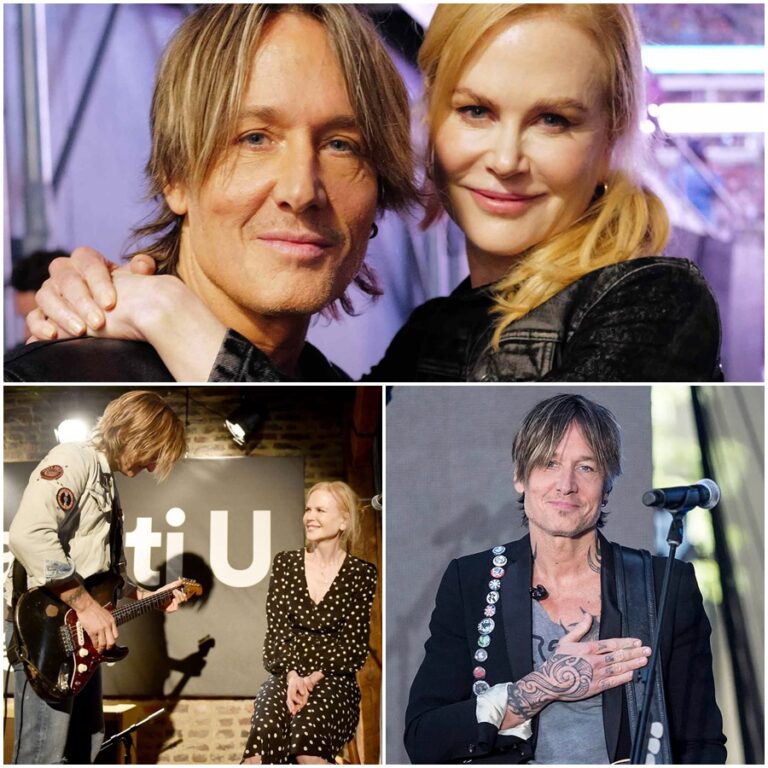
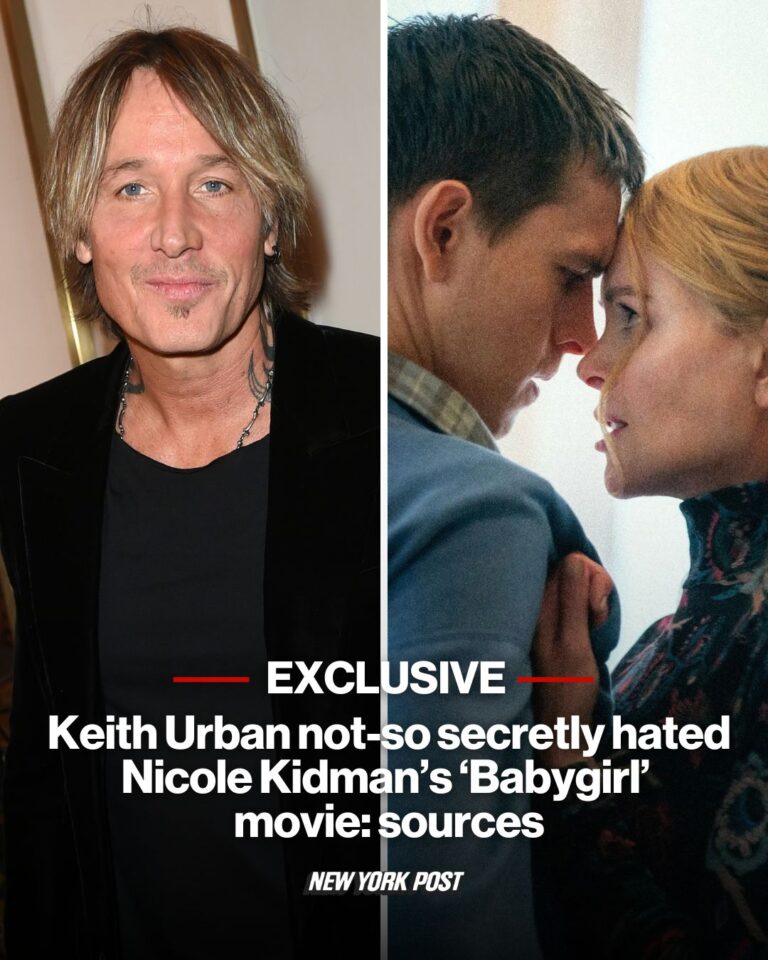
Keith Urban was unsupportive of Nicole Kidman as she promoted her sexually explicit movie, “Babygirl” last year, multiple sources told Page Six.
Kidman filed for divorce earlier this week, while Urban had already taken off his wedding ring when he performed on stage in Hershey, PA, Thursday night.
In 2024, the country crooner failed to join his wife at the Venice Film Festival as she debuted the film in August and again when it opened at the Toronto Film Festival that September.
Sources said that Keith Urban did not like Nicole Kidman’s movie, “Babygirl,” which she premiered at the Venice Film Festival in 2024 with co-stars Antonio Banderas (left) and Harris Dickinson.WireImage
In the movie, Kidman, 58, is a hig-powered CEO who launches into an affair with her handsome intern, played by Harris Dickinson, 29, while dissatisfied with her sex life with her husband, played by Antonio Banderas, 65.
“Keith didn’t like the film and he didn’t even like Nicole promoting the movie,” said a Hollywood insider.
Urban reportedly did not even want Kidman promoting the film.Courtesy Everett Collection
Another source alleged that the 57-year-old Urban feared that he would be mocked because of the film’s subject.
Indeed, on July 1, the singer appeared to end an interview on Australia’s Mix 102.3 “Hayley & Max in the Morning” when he was quizzed about his wife’s starring roles with young men.
“What does Keith Urban think when he sees his beautiful wife with beautiful younger men like Zac Efron having these beautiful love scenes on TV and radio?” host Max Burford asked.”I think his team hung up on us because they didn’t want us to ask that question,” the producer added. “He’s gone, see you Keith.”
Kidman filed for divorce from Urban this week. The pair share two daughters, Sunday Rose (from left) and Faith Margaret. They’re seen with Kidman’s niece, Sybella Hawley.FilmMagic
His co-host Hayley Pearson said she believed they “upset” Urban because he “doesn’t like the personal stuff.”
A source, however, later told People that Urban didn’t leave the call.
Urban has never appeared to have any issues with his wife’s projects before this.
Kidman has indeed made a career of playing women who challenge the norms, with movies such as 1999’s “Eyes Wide Shut” with her first husband Tom Cruise.
Urban was back on stage Thursday night in Hershey, PA — without his wedding ring.BACKGRID
And she’s shone a light on issues women face — from domestic violence in “Big Little Lies” to sexual frustration in ‘Babygirl’.
In 2017, Kidman made a vow to work with a female director every 18 months.
Over the last eight years, the Oscar winner has teamed up with a female director, either as a producer or as an actor, 19 times. “Babygirl” was directed by Halina Reijna.
Kidman has several more female-directed projects already in the pipeline.
Kidman supported her husband at the CMAs in May.Getty Images
She just filmed the movie, “Holland,” helmed by Mimi Cave, and her recent TV work has included Lulu Wang’s “Expats” on Amazon Prime Video and Susanne Bier’s “The Perfect Couple” on Netflix.
As we revealed, Kidman has always been there for Urban — from joining him at the CMAs to the opening night of his tour.
Urban has been linked with his 25-year-old guitarist Maggie Baugh, but has made no comment.WireImage207
He has so far made no comment about being romantically linked to his 25-year-old guitarist Maggie Baugh, who was not on stage with him Thursday. He did, however show photos on screen of his two daughters with Kidman, Sunday Rose, 17, and Faith Margaret, 14.
Page Six has reached out to Urban and Kidman for comment.
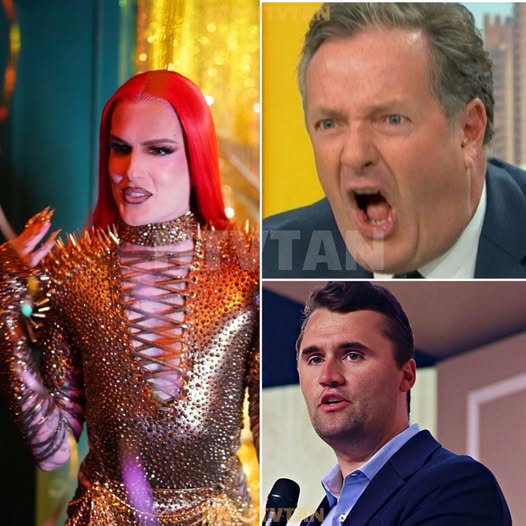
In a moment that shocked even seasoned broadcaster Piers Morgan, internet icon and entrepreneur Jeffree Star delivered a raw, emotional, and deeply reflective response to the assassination of Charlie Kirk. Known for his unapologetic voice in the beauty world and controversial online persona, Star surprised many by speaking candidly about a tragedy that has shaken the nation—and he didn’t hold back.
“I was horrified,” Star said. “I’ve always spoken my mind and stood for the truth, but people are scared of it. All week I’ve been told, ‘Charlie would have hated you.’ No. He would have respected me because I think for myself. Seeing it happen in real time… I was crushed. Someone murdered just for their beliefs? It’s sickening.”
Those words, delivered with clarity and conviction, left Piers Morgan visibly stunned. For a moment, the typically combative host was silent. It was the kind of emotional gut-punch few expected from the glitter-covered mogul more often seen launching lipsticks than discussing political tragedy.
But in that moment, Jeffree Star transcended stereotype. He wasn’t a makeup mogul. He was a human being mourning a fellow American – one who died under horrifying circumstances.
The Tragedy That Changed the Narrative
Charlie Kirk, 31, was the founder of Turning Point USA, a controversial yet highly influential conservative activist organization focused on youth outreach, college campuses, and mobilizing young voters. Kirk’s voice, brash and unfiltered, had come to symbolize a particular brand of right-wing populism that thrived in America’s most divided era.
On September 10, 2025, Kirk was gunned down during a speaking engagement at Utah Valley University. The alleged shooter, Tyler James Robinson, was a 22-year-old former student who had expressed deep disillusionment with modern political discourse. Authorities have since charged Robinson with first-degree murder. The motive, while still under investigation, is widely believed to have been politically motivated.
The attack sent shockwaves through both the left and right. For some, it was a horrifying example of ideological extremism gone unchecked. For others, it was a grim reminder that words and rhetoric have real-world consequences.
And into this boiling cauldron stepped Jeffree Star, not with makeup brushes or viral clapbacks, but with a plea for empathy, decency, and truth.
Jeffree Star: The Most Unlikely Truth Teller
Many were surprised to see Jeffree Star comment on Charlie Kirk’s assassination at all. The two appeared to share little in common on the surface. Star is an openly gay, gender-nonconforming cosmetics tycoon who has often clashed with social conservatives over identity politics.
But as Star made clear during the interview, this moment wasn’t about politics. It was about humanity.
“I don’t care if someone agreed with me or not,” Star said. “Charlie spoke his mind. That takes courage in this world. And for that, he didn’t deserve to die. No one does.”
Morgan, known for his often combative interviews, seemed uncharacteristically moved.
“Are we finally seeing a line that even culture warriors won’t cross?” Morgan asked quietly.
Jeffree paused before answering.
“That line was crossed the moment people started celebrating this man’s death. That’s not protest. That’s evil.”
The Cultural Shockwave
Jeffree’s words quickly spread across social media. Within hours, hashtags like #JeffreeSpeaks and #JusticeForCharlie trended on X (formerly Twitter). Influencers, commentators, and even political figures from across the spectrum shared clips of the interview.
“I didn’t think I’d agree with Jeffree Star about anything,” one conservative commenter wrote, “but he just said what millions of us are thinking.”
Even prominent liberal voices acknowledged the weight of the moment.
“You don’t have to support Charlie Kirk to condemn what happened,” another user wrote. “And Jeffree Star made that clearer than any news anchor has.”
The cultural impact was undeniable.
For years, America has waded deeper into an ideological trench war where opposing sides seem incapable of even acknowledging the other’s humanity. Star, by stepping outside his expected lane, did something remarkable: he made empathy fashionable again.
Why Jeffree’s Voice Matters
It would be easy to dismiss Jeffree Star as a shock jock of the beauty world. But his audience is vast, and his influence real. With over 15 million YouTube subscribers, millions of followers across platforms, and a cosmetics empire that’s made him one of the wealthiest self-made entrepreneurs in America, Star’s words reach further than many political pundits.
And that’s why this moment matters.
In an age when people live in ideological echo chambers, voices that straddle multiple cultural spheres become rare, potent bridges.
“People need to stop labeling everyone and everything,” Star said. “There’s good and evil in this world. And when evil wins, it doesn’t care what side you’re on.”
The audience burst into applause. Not just for the message—but for the courage to deliver it.
The Bigger Picture
As the dust settles from Charlie Kirk’s assassination, questions remain:
How did political discourse become so poisoned that violence seems justified?
What responsibility do media platforms, influencers, and public figures have in shaping the tone of our debates?
And can any public tragedy pull us out of our ideological trenches, even for a moment?
Jeffree Star’s interview didn’t solve these questions. But it shattered the illusion that empathy is partisan.
“We can argue policy all day,” Star concluded. “But if we can’t agree that murder is wrong, then we’ve already lost.”
Final Thoughts: One Voice Among Many
Jeffree Star isn’t a politician. He’s not a journalist. He’s not a pundit. But in a time when those roles seem increasingly compromised, his voice cut through the noise.
He reminded us that speaking up doesn’t require perfection, just conviction.
That the death of Charlie Kirk, no matter your views on his politics, should be a moment for pause, not celebration.
That empathy isn’t weakness – it’s strength.
And in saying what so many were afraid to say, Jeffree Star left more than just Piers Morgan speechless.
Nicole Kidman may have left two of her children out of her Golden Globes’ acceptance speech, but she did give husband Keith Urban a special shout-out.
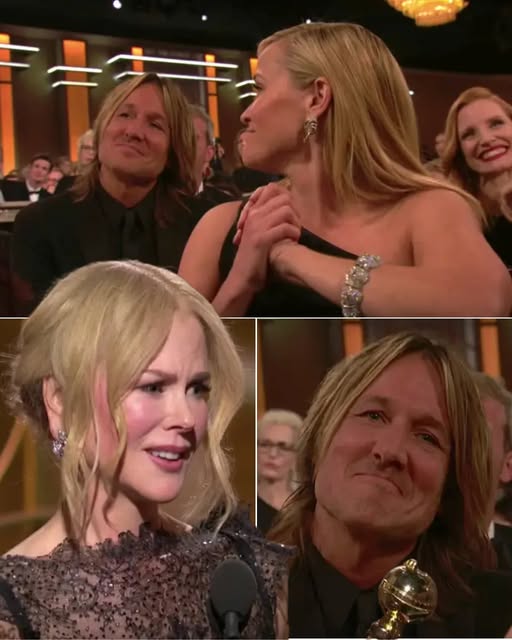
“Keith Urban, when my cheek is against yours everything melts away, and that is love,” Kidman said, ending her best actress speech for a TV miniseries or movie. “It’s true. I love you so much.”
Kidman ended her speech with a few sweet words for her husband. NBC
As the camera zoomed in to focus on Urban, the singer licked his lips as he held off some tears.
Find yourself a man who looks at you the way Keith Urban looks at his wife. NBC
You may have missed it, but for a brief moment you can see Urban return his wife’s kind words with a small gesture. He brings his hand up to his heart and pats it several times.
Urban returns his wife’s sweet remarks with a simple gesture from the crowd. NBC Viewers couldn’t handle it.
Even Kidman’s “Big Little Lies” co-star Reese Witherspoon seemed to melt at her pal’s kind words.
Reese Witherspoon turns to look at Keith Urban when Nicole Kidman mentions his name. NBC
Moments before taking the stage, Kidman fumbled slightly as she adorably went to kiss her husband.
—uinn (@QuinnKeaney) January 8, 2018
The two have been married since 2006. But from the way they look at one another on red carpets and at award shows, it’s like they’re newlyweds.
Here they are at the Golden Globes Sunday night.
Nicole Kidman reaches out her hand towards Keith Urban on the red carpet at the 2018 Golden Globes. Frazer Harrison/Getty Images
And here they were looking in love at the 2017 Emmys.
How can you not believe in love when you see these two? Frederick M. Brown/Getty Images
Every moment between these two looks like pure joy. John Salangsang/Invision for FIJI/AP Images
“I have a wife who is just from another planet,” Urban told CBS’ “Sunday Morning” in 2016 about his love for Kidman. “She is so celestial. I say that I was born into her. That is the best way I can describe how I feel about her and us.”
You can read more on how Urban and Kidman first met and fell in love here and follow along with our Golden Globes coverage here.
In an era saturated with noise, controversy, and spectacle, few moments manage to cut through the static and touch the human spirit. Last night, the premiere of “The Charlie Kirk Show” did exactly that — not through outrage, special effects, or sensationalism, but through raw emotion, unfiltered truth, and the universal language of grief.
Within hours of its debut, the program achieved what few thought possible: over one billion global views, a number typically reserved for blockbuster films or major world events. Yet, what unfolded on screen was not a show in the traditional sense. It was an awakening.
A Premiere That Stopped the World
The show opened not with grand music or flashing lights, but with silence — a silence that carried the weight of both memory and meaning. Two chairs. Two microphones. One candle flickering between them.
On the left sat Ty Simpson, a figure familiar to many through his work as a writer, speaker, and advocate for truth and resilience. On the right, Erika Kirk, widow of the late commentator Charlie Kirk, sat with quiet strength — her presence both haunting and healing.
The audience could sense it immediately: this was not entertainment. This was testimony.
What followed was a conversation so unguarded, so human, that it seemed to bypass the usual boundaries of broadcast media entirely. It was, as one television producer later described, “a moment that felt bigger than the medium itself.”
“We Are Not Here to Cry Alone”
Early in the broadcast, Simpson turned toward Erika with a tone both reverent and steady.
“We are not here to cry alone,” he said. “We are here to remind the world that love outlives death — and truth cannot be silenced.”
The words landed with a quiet power that filled the room and, as it would turn out, screens across the globe.
For a moment, Erika remained silent. Then, in a voice heavy with grace, she replied:
“I thought grief would end me. But grief is also love — it’s the echo of what we were blessed to have.”
That exchange became the heartbeat of the program — the moment when pain transformed into purpose, and loss became a bridge rather than a barrier.
Ty Simpson: The Unexpected Anchor
Though not a household name before this broadcast, Ty Simpson has long been known in certain circles as a voice of reflection — a man shaped by hardship and hope in equal measure. His decision to co-host the premiere was not an act of ambition but of solidarity.
Sources close to the production reveal that Simpson initially resisted appearing on air, suggesting that Erika should carry the premiere alone. But producers persuaded him otherwise, believing his presence could ground the conversation and help shape its emotional rhythm.
They were right.
Throughout the hour-long episode, Simpson balanced empathy with honesty, guiding the discussion through themes of loss, legacy, and endurance. His calm demeanor and subtle strength allowed Erika’s story to unfold naturally, without intrusion or manipulation.
“He wasn’t interviewing her,” one observer said. “He was accompanying her.”
Erika Kirk: Strength in Stillness
For Erika Kirk, the broadcast was more than a media event — it was an act of reclamation. Having endured months of private mourning and public speculation, she appeared not as a victim but as a woman reclaiming her voice.
From the first few minutes, it was clear that Erika had no interest in dramatizing her pain. She spoke slowly, deliberately, often pausing between sentences as if weighing each word for truth rather than effect.
When Simpson asked her what she missed most, her reply was disarmingly simple:
“His laughter. It made even hard truths sound bearable.”
Later, as the conversation turned toward purpose, Erika added:
“The hardest part isn’t losing someone. It’s learning to live as if their absence isn’t the whole story.”
In those moments, viewers weren’t watching a show — they were witnessing a human being rebuild herself in real time.
A Cultural Phenomenon
Industry insiders have described the premiere as “a cultural resurrection,” citing its ability to blend personal vulnerability with social resonance. Without sensational visuals or celebrity endorsements, The Charlie Kirk Show achieved something the modern media landscape rarely sees: authenticity.
Broadcast analysts have noted that the format — minimalist, conversational, emotionally open — may signal a broader shift in the way audiences consume televised storytelling. In a landscape driven by rapid sound bites and algorithmic engagement, Simpson and Kirk offered the opposite: stillness, depth, and sincerity.
“People are exhausted by noise,” said media scholar Dr. Hannah Weiss of UCLA. “This broadcast gave them permission to feel again. It wasn’t about politics, ratings, or ideology. It was about being human.”
Behind the Scenes: A Production Without Vanity
The show’s production was intentionally stripped of excess. The set was small, the lighting warm, the camera movements slow and intimate. The decision to avoid background music during key moments was deliberate, allowing the silence itself to speak.
According to a member of the creative team, the guiding principle was simple: “Let the truth breathe.”
Even the editing reflected restraint. No dramatic cuts, no reaction shots — just two people sharing space and emotion in real time. The result was a broadcast that felt less like television and more like a shared vigil.
The Moment the World Watched Together
As viewership surged past one billion, broadcasters around the world paused to take note. Networks scrambled to understand how a simple conversation could outperform major entertainment events and global news stories.
But perhaps the answer lies not in numbers, but in timing. In an age defined by division, audiences yearned for something real — something that reminded them of unity in the face of loss.
“The beauty of it,” said British journalist Elena Marks, “is that it wasn’t trying to go viral. It went viral because it told the truth.”
The Message That Endures
Toward the end of the episode, Simpson and Kirk stood together beside the candle that had burned since the broadcast began. Its flame flickered as if in acknowledgment.
Simpson looked into the camera and spoke quietly:
“What began as grief ends here as a promise — that we will not stop speaking truth, no matter who tries to silence it.”
Erika closed the show with a final message, one that seemed to encapsulate both her pain and her hope:
“If love could be measured, loss would be its shadow. But shadows can’t exist without light.”
As the screen faded to black, the words “For Charlie — and for everyone who still believes in love that endures” appeared, followed by a moment of silence.
Beyond the Broadcast
In the hours following the premiere, major publications and broadcasters began covering the phenomenon, describing it as “the most human broadcast in decades.” Producers have since confirmed that additional episodes are already in development, though details remain under wraps.
A spokesperson for the network said the next installments will continue exploring “themes of courage, faith, and healing in an era that desperately needs all three.”
Meanwhile, Ty Simpson and Erika Kirk have both emphasized that The Charlie Kirk Show will not become a platform for division or spectacle. Instead, they envision it as a space where vulnerability can coexist with strength — where the human story, in all its complexity, can be told honestly.
Conclusion: A New Kind of Legacy
The billion-view milestone may stand as a media record, but its true achievement lies elsewhere. The Charlie Kirk Show has redefined what it means to connect — not through shock or speed, but through stillness and sincerity.
In a time when so much of modern broadcasting feels hollow or performative, Ty Simpson and Erika Kirk reminded the world that even after unimaginable loss, something beautiful can still be created.
What began as remembrance has become renewal. And in that renewal, a truth as old as time has been reborn:
Pentatonix reunited with the one and only Kelly Clarkson for their holiday special on Monday night, and it was nothing short of amazing. During Pentatonix: A Not So Silent Night on NBC, the a cappella group and The Voice coach gave a beautiful rendition of “My Grown Up Christmas List.” While we never tire of PTX’s Christmas covers, Clarkson’s voice really knocks this performance out of the park. It’s pretty much impossible not to get chills over that insane high note at the end. Seriously, we need these two to do duets together more often. Get ready to be blown away!
After weeks of whispers and speculation, Keith Urban has finally broken his silence — not in a press conference, not in a sit-down interview, but in the one language he’s always trusted most: music.
His new track, a haunting ballad written for ex-wife Nicole Kidman, drips with heartbreak and raw truth. And in its most shocking lyric, Keith delivers a revelation no one expected:
“Everyone says it was me… but the real reason was her.”
The Sound of a Broken Love
The melody aches with pain — sparse, vulnerable, every chord carrying the weight of unspoken nights. Fans say the song feels less like a performance and more like a diary cracked open under the spotlight.
Each verse cuts deeper:
“The silence was louder than any fight.”
“A love we wore for the cameras, but never at home.”
One listener described it as “the rawest thing Keith has ever written — a confession wrapped in chords.”
The release has ignited a firestorm. Was Keith reclaiming his side of the story, or rewriting history in his own favor?
Some fans see courage in his honesty, praising him for breaking the silence. Others accuse him of turning heartbreak into spectacle, of pointing a lyrical finger at Nicole in a way no interview ever could.
What’s undeniable is this: Keith Urban didn’t just release a song. He dropped a confession, a challenge, and a wound set to melody.
And now the question echoes louder than the chorus itself: Was he the villain? Or just the only one brave enough to finally tell his side?
There’s something profoundly moving about looking at the last known photographs of individuals who have left an indelible mark on history.
Each picture tells a story, capturing the essence of these individuals in their final moments before they passed away.
In this blog post, we’ll delve into a collection of final photographs of famous people from various walks of life – from musicians and actors to historical figures.
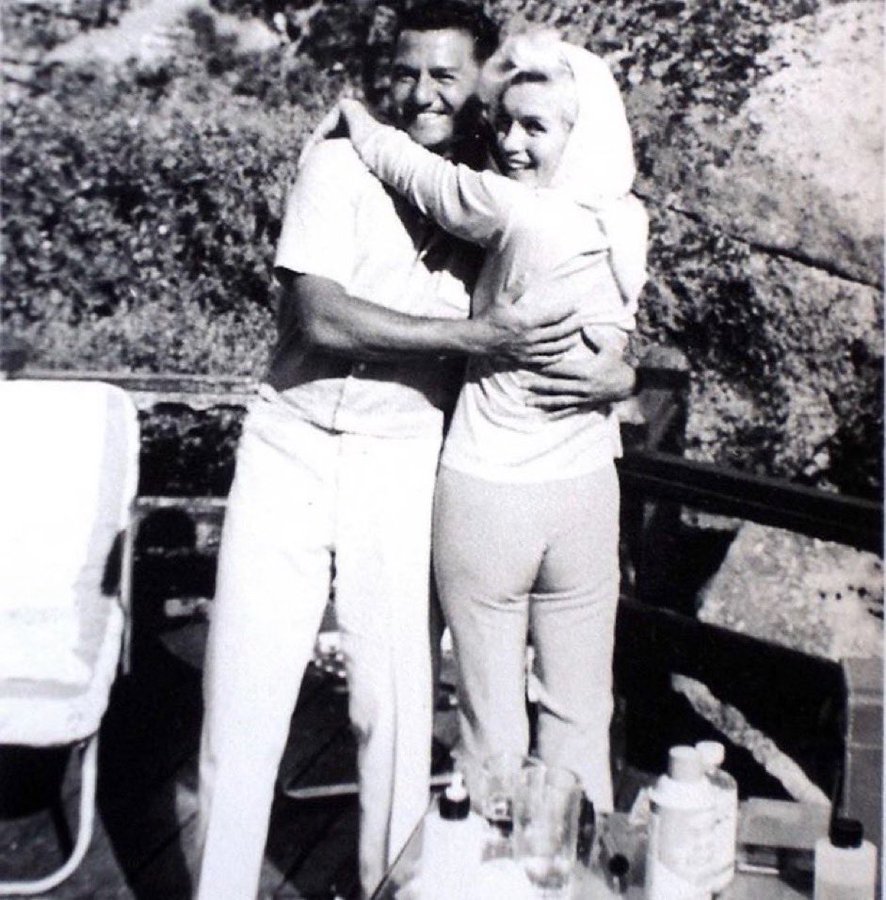
Photograph of Marilyn Monroe taken just days before she tragically passed away from an overdose in 1962. She was only 36 years old.
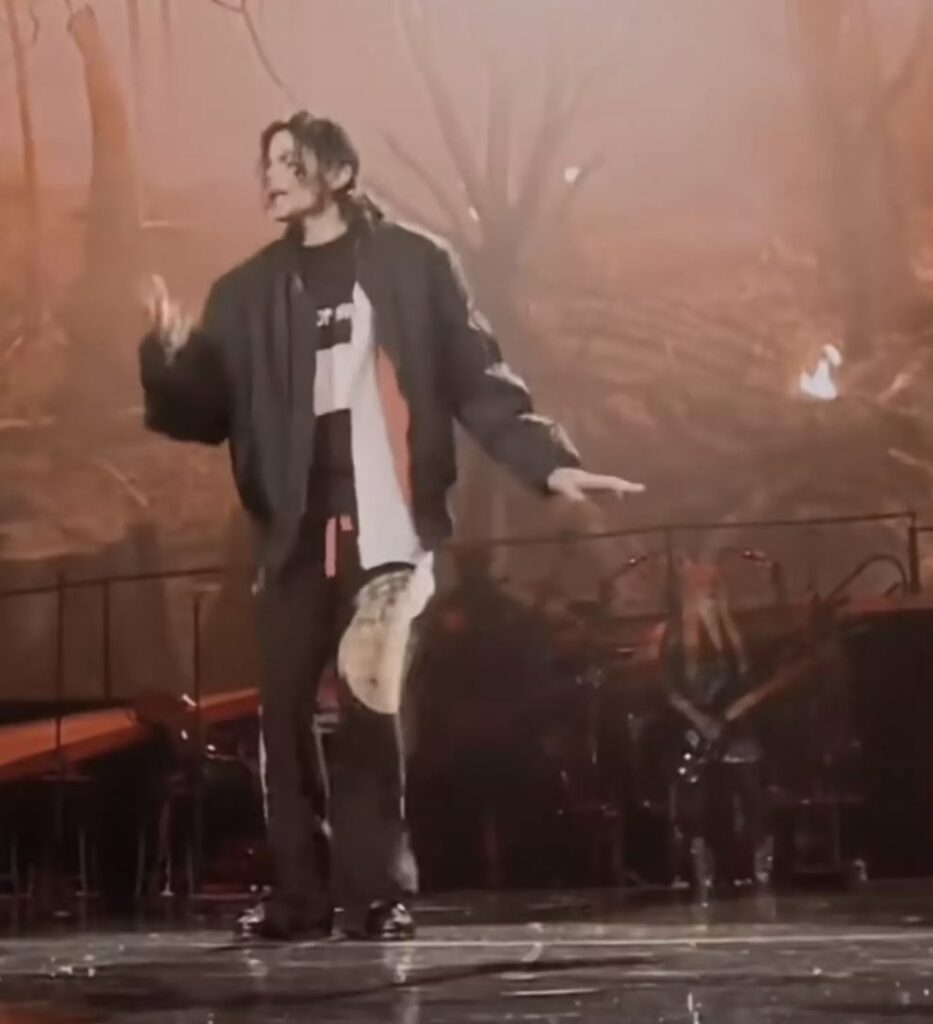
A snapshot captures Michael Jackson rehearsing just 12 hours before his untimely passing.
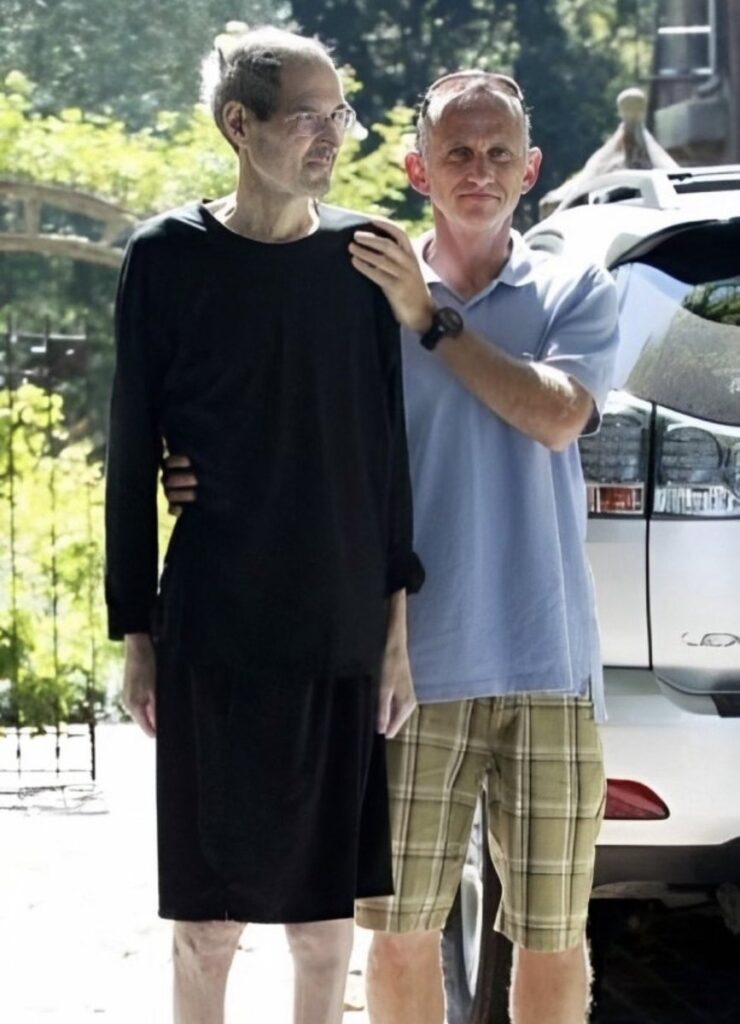
One of the final images of Steve Jobs, the mastermind at Apple, was taken just days prior to his tragic passing on October 5, 2011, from pancreatic cancer.
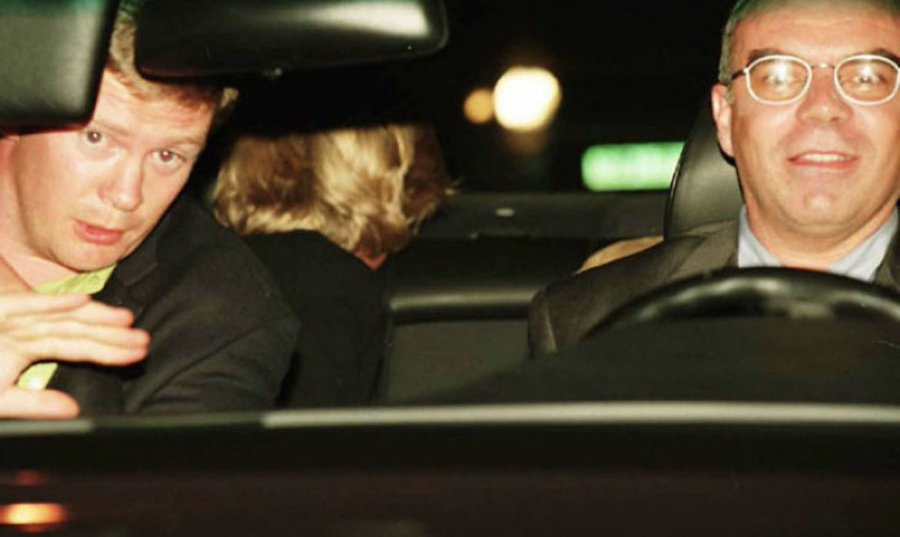
Princess Diana was captured in this photograph, seated in the rear of her car on the fateful night of August 31, 1997. Shortly after this image was taken by paparazzi, she was tragically involved in a car accident that claimed her life.
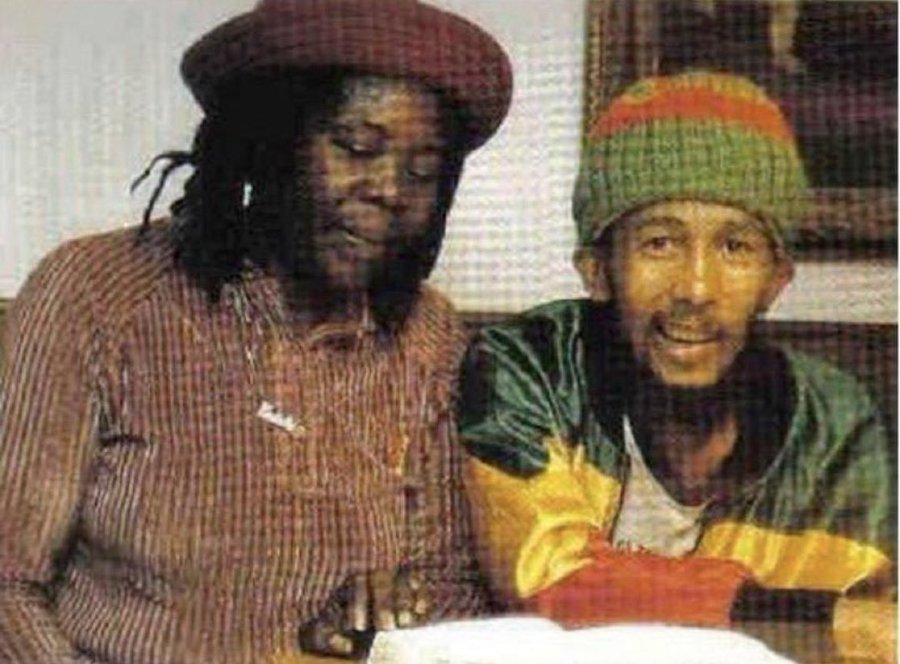
This last image of Bob Marley was taken as he was heading back to his native Jamaica, but he never made it home. The reggae icon succumbed to cancer at a Miami hospital on May 11, 1981, at the age of 36.
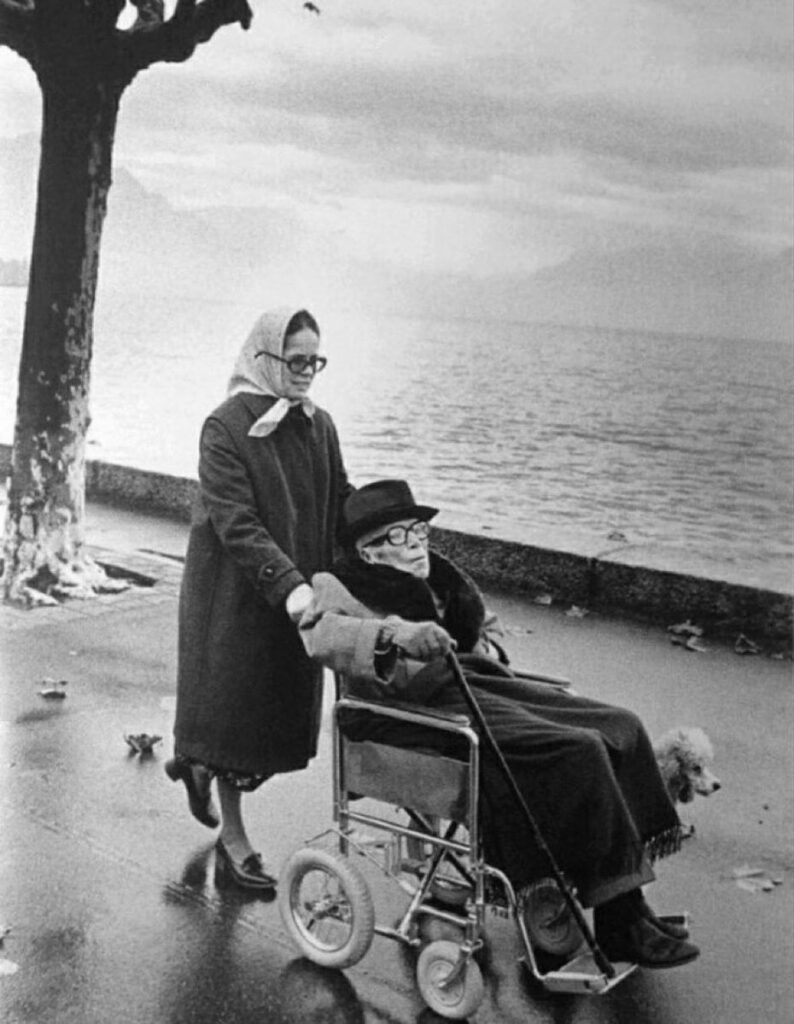
Charlie Chaplin, the legendary silent film star, was captured in one of his final photographs in 1977. Sadly, he passed away later that year in December at the age of 88.
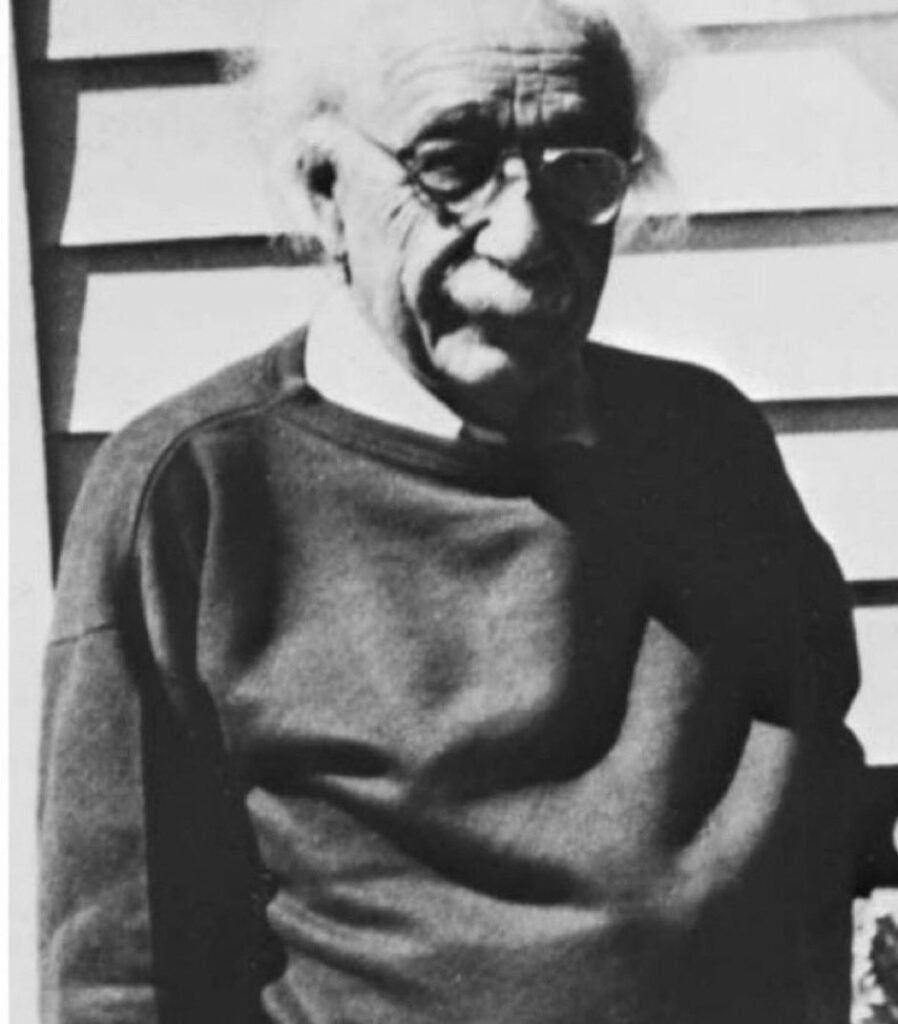
One of the final known photographs of Albert Einstein, taken approximately one month before his passing in 1955.
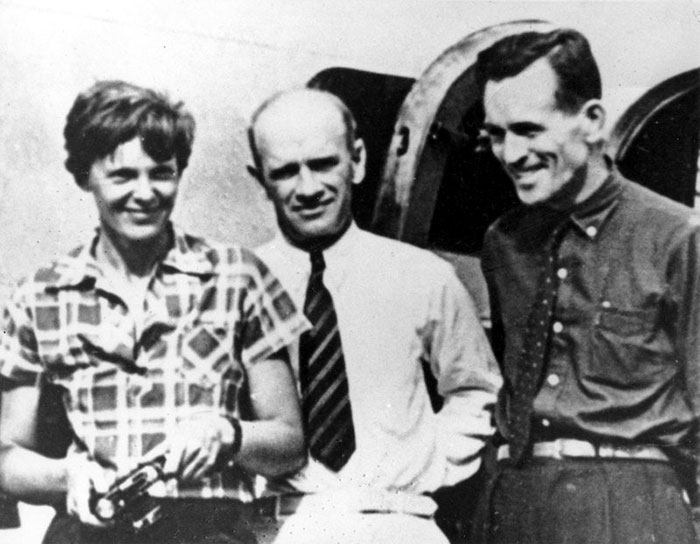
This photo of Amelia Earhart and her navigator, Fred Noonan, was taken shortly before departure on an attempt to make a circumnavigational flight of the globe. On July 2nd, 1937, the plane disappeared somewhere over the Pacific Ocean.
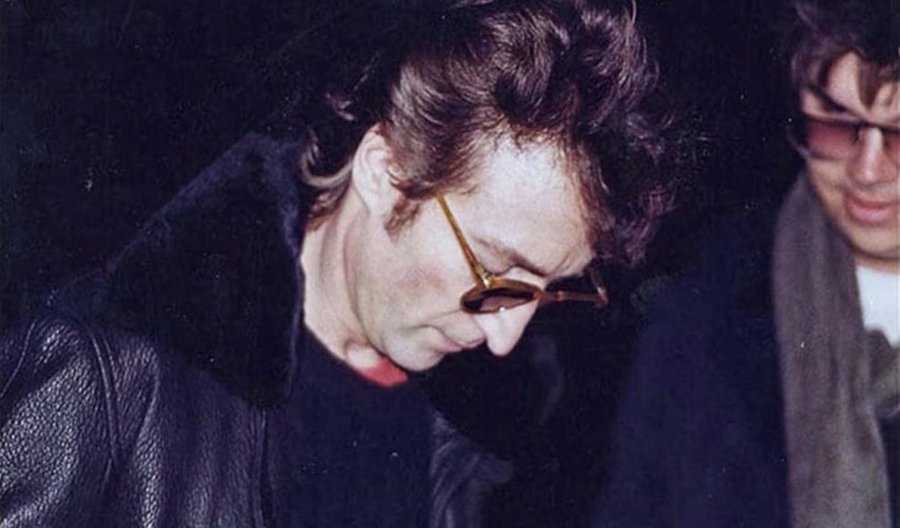
This chilling image shows Mark David Chapman, the man who would later shoot John Lennon, getting an autograph from the Beatles star. After signing the album for Chapman, Lennon asked, ‘Is this all you want?’ Chapman smiled and nodded in agreement. Tragically, just a few hours later, Chapman would take Lennon’s life.
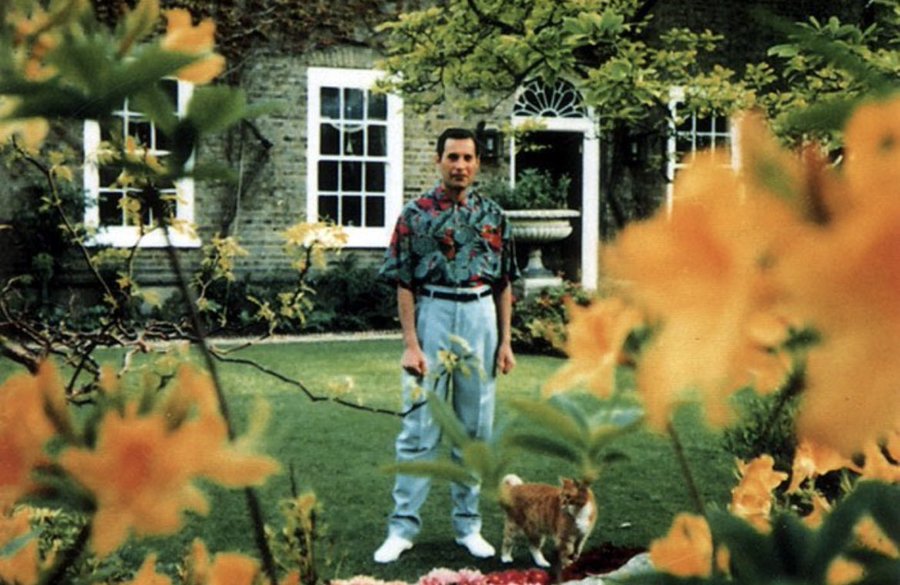
Photo of Freddie Mercury, captured in 1991, which was one of the last photographs taken of him before his passing. Despite widespread speculation, Freddie chose to keep his battle with AIDS private, shielding himself from the intense media scrutiny that would inevitably follow.
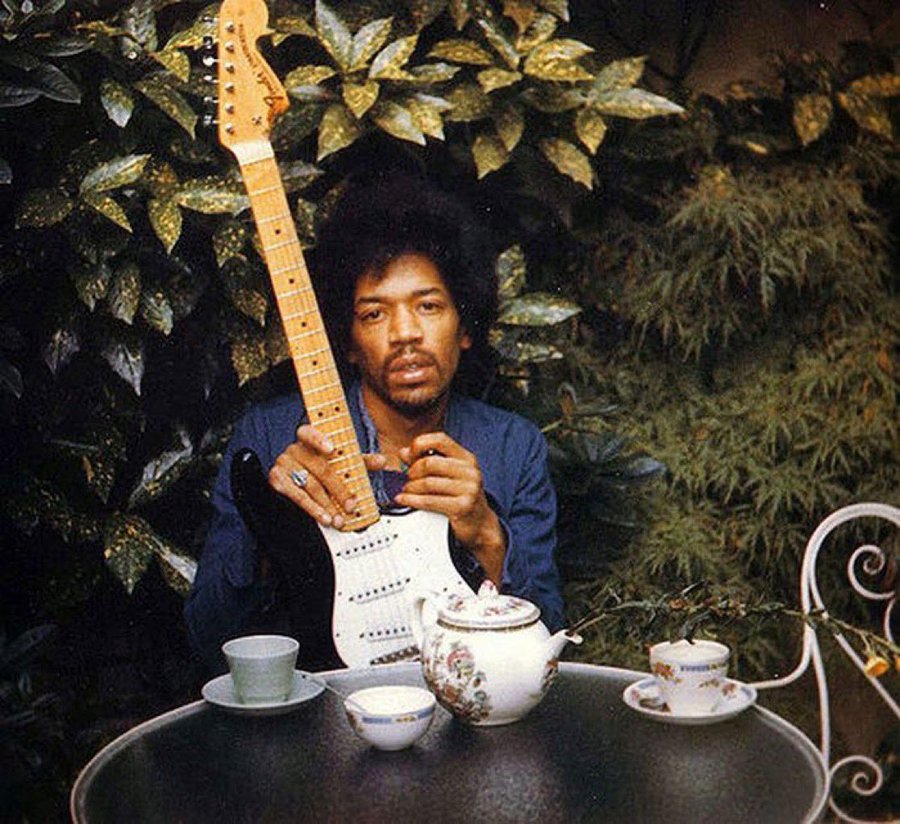
This image shows Jimi Hendrix with his cherished guitar ‘Black Betty’ shortly before his untimely demise. Hendrix tragically passed away due to asphyxia, the result of inhaling his own vomit.
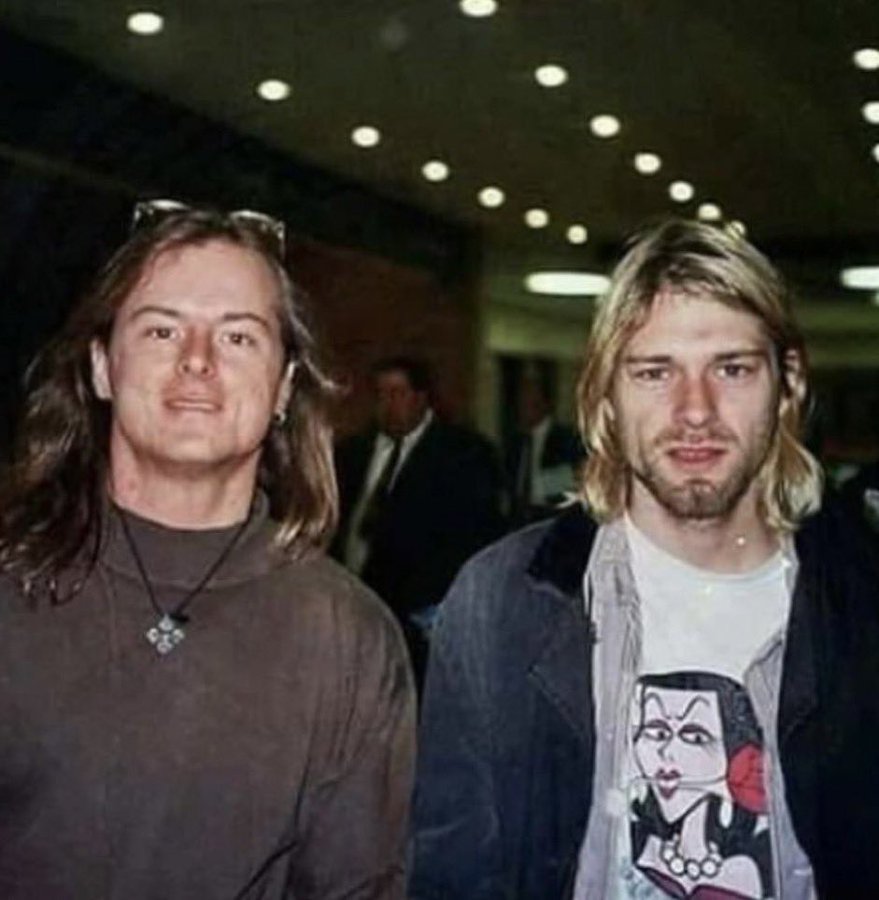
One of the final photos of Kurt Cobain. The photo was taken by a fan and it was captured just days before Kurt’s tragic passing.
This photo was captured just two days before Steve Irwin’s tragic passing in September 2006. It shows the Crocodile Hunter with a friend at sea, shortly before his fatal encounter with a stingray.
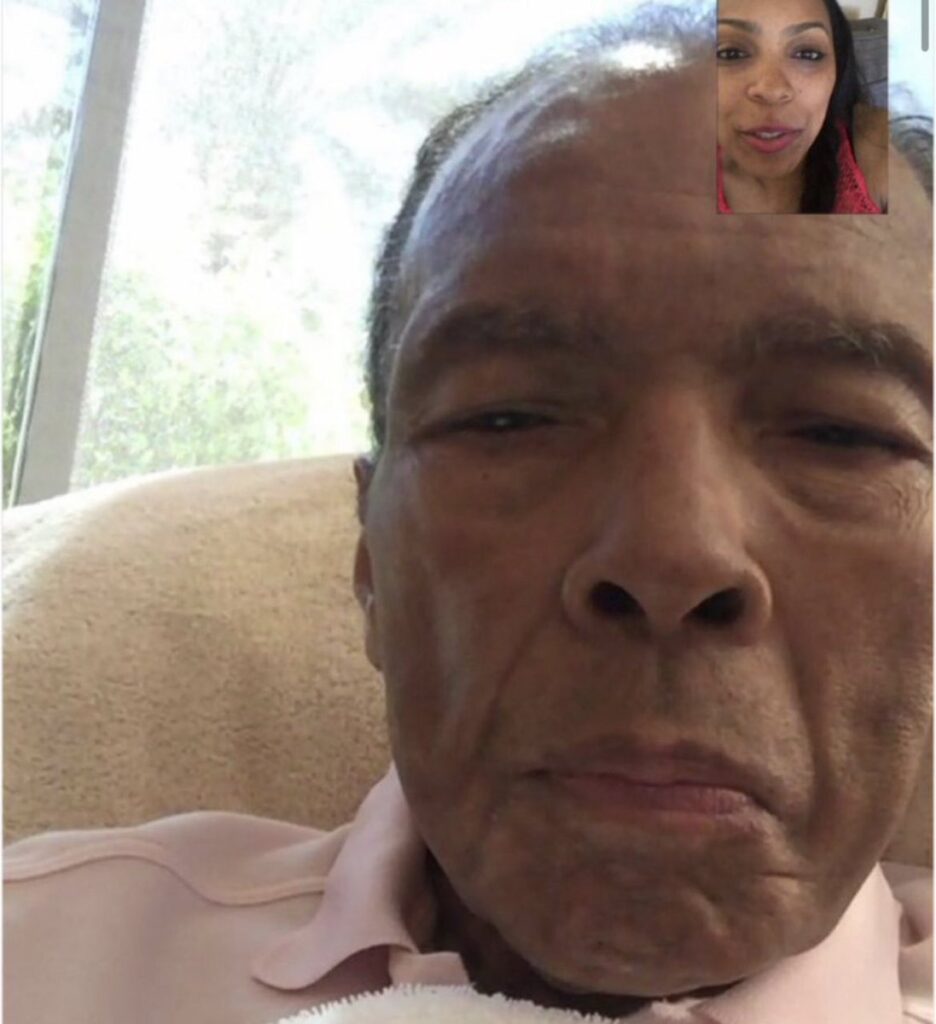
This photograph captures Muhammad Ali, taken on May 22, 2016, during a FaceTime call with his daughter Hana. Ali was admitted to the hospital on June 2, 2016, with a respiratory illness, initially reported as being in “fair” condition. However, his health quickly deteriorated, and he passed away the following day at the age of 74 from septic shock.
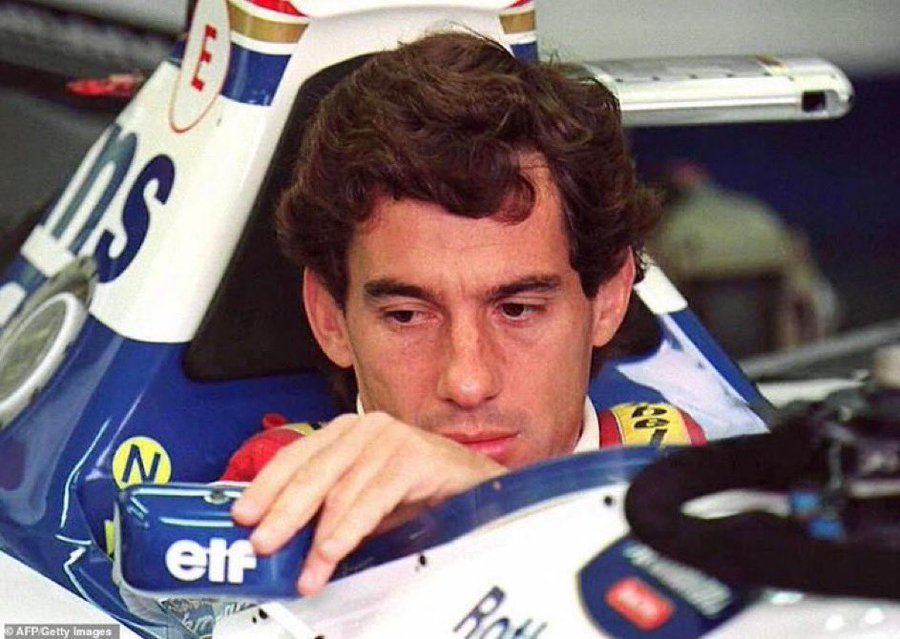
Photo of Brazilian F1 legend, Ayrton Senna, captured during the Italian Grand Prix in 1994, where his fatal crash occurred.
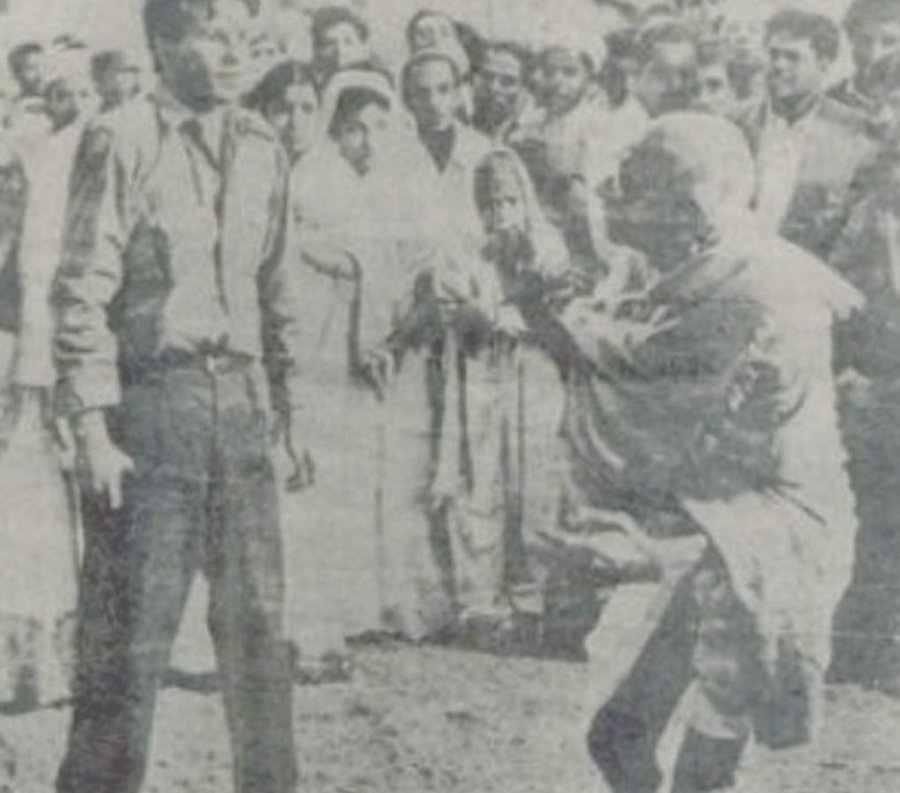
This is the final photo of Mahatma Gandhi taken just moments before he was fatally shot by Nathuram Godse on January 30, 1948.
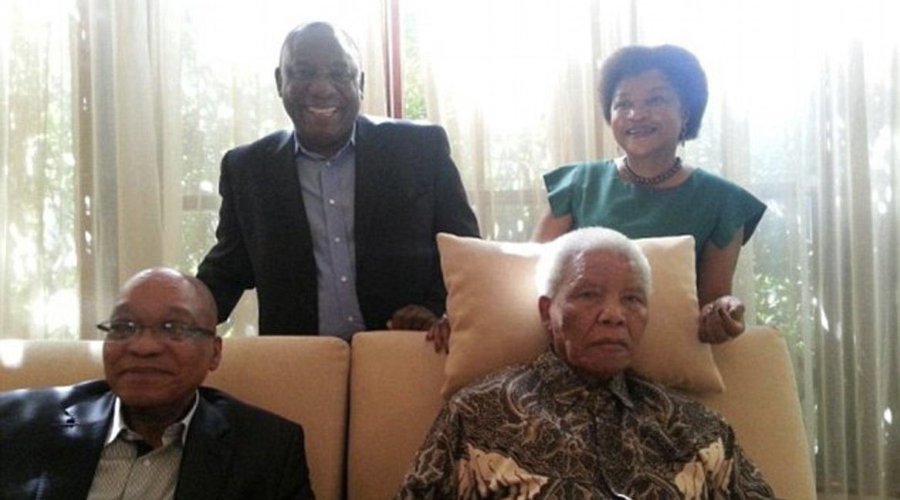
One of Nelson Mandela’s final photographs features him alongside Jacob Zuma. He passed at the age of 95.
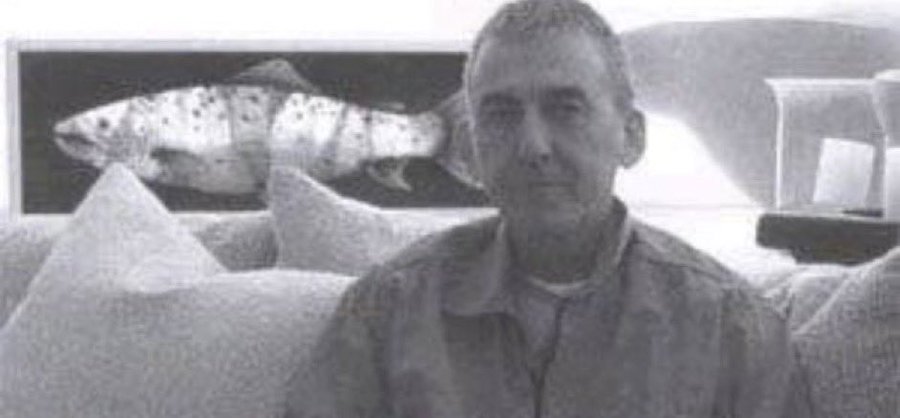
In one of his last public appearances, Alan Rickman was photographed looking healthy. He had been diagnosed with terminal pancreatic cancer in August 2015, a fact he kept private until his passing on January 14, 2016.
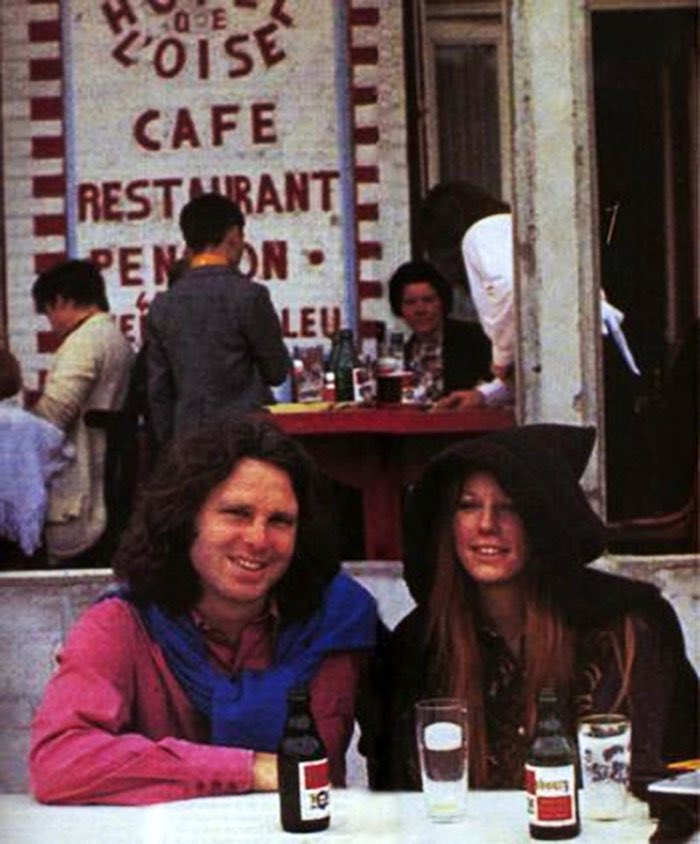
The last known photograph of Jim Morrison, lead vocalist of The Doors, was taken on June 28, 1971. In the picture, Morrison is seen with his girlfriend Pamela Courson. He passed away five days later on July 3, 1971, from heart failure at the age of 27.
This photograph captures George Harrison during his last known public appearance, taken for the album booklet of Jools Holland’s “Small World, Big Band” released in 2001. The legendary Beatles member passed away in Los Angeles in November of that year, following a battle with cancer.
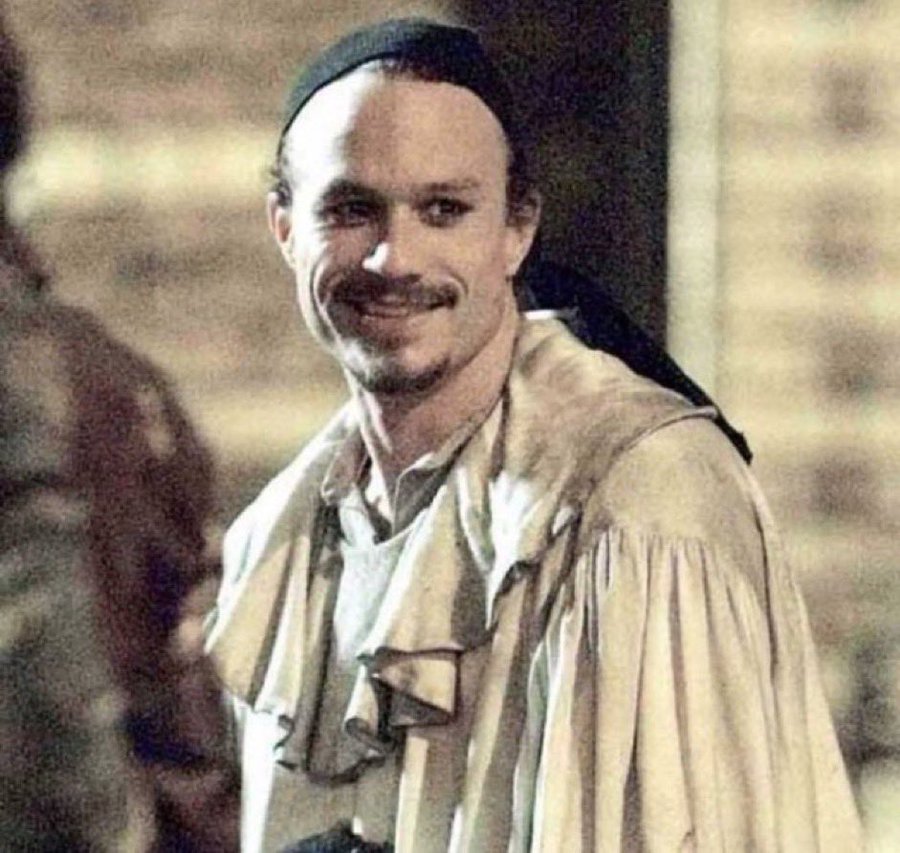
A haunting photograph captures Heath Ledger on the set of ‘The Imaginarium of Doctor Parnassus,’ a mere days before his tragic passing. At just 28 years old, his lifeless body was discovered in his New York City apartment.
This poignant image of legendary actress Audrey Hepburn, is one of the last known photographs taken of her before her untimely passing in January 1993. She passed away peacefully at her home in Switzerland, succumbing to appendiceal cancer.
This is one of the last known photos of Janis Joplin, captured on October 3rd, 1970. Tragically, she passed away the following day on October 4th at the age of 27.
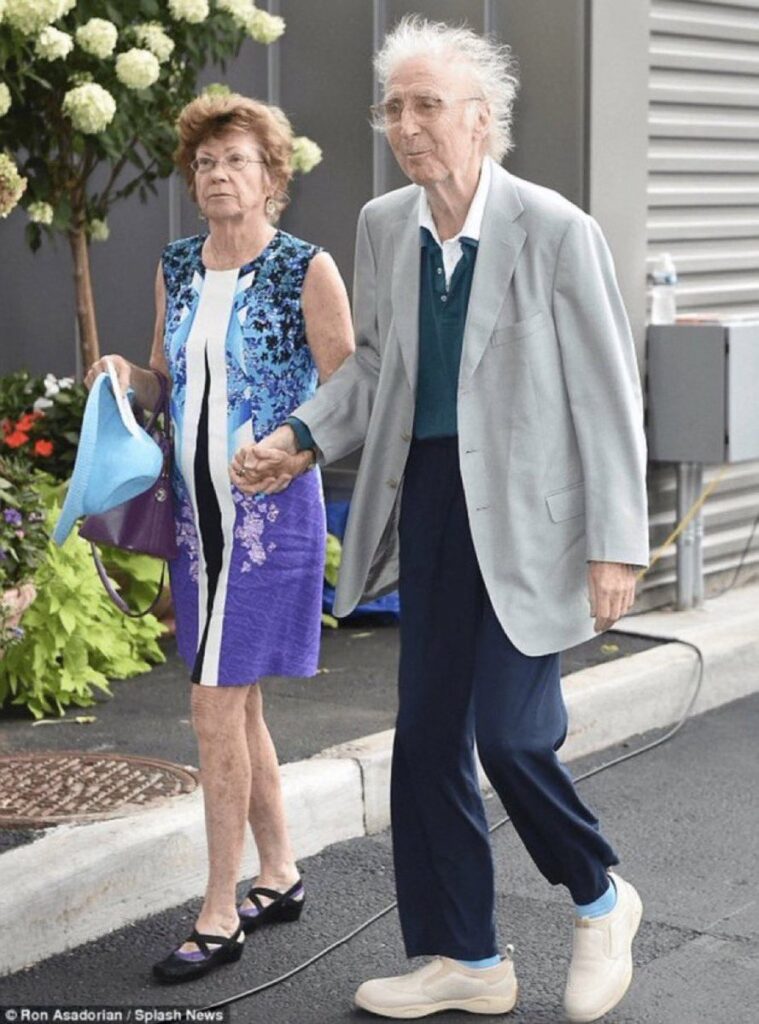
Gene Wilder, the beloved actor, passed away in August 2016 at the age of 83 due to complications from Alzheimer’s disease. He had been diagnosed with the condition three years before his passing but chose to keep this information private. This is one of the last photographs taken of him before he passed away.
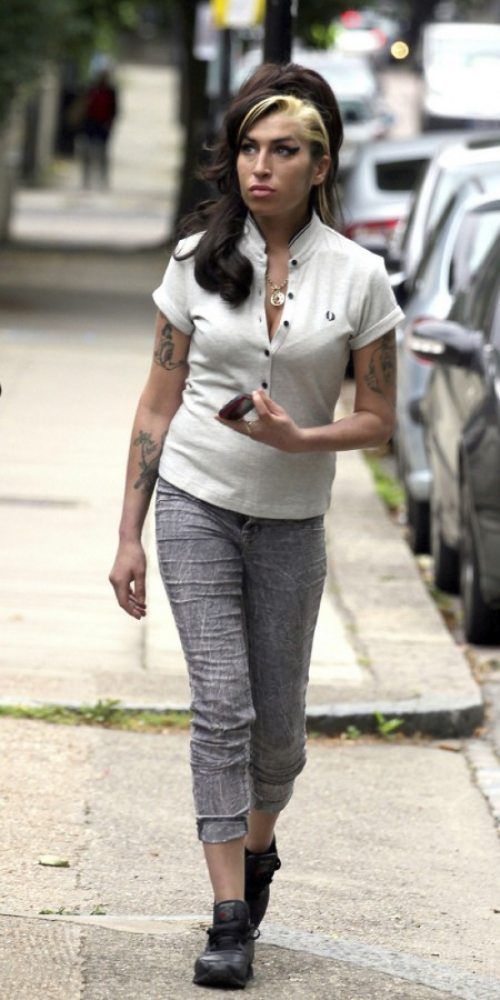
A photograph of Amy Winehouse taken in London on July 12, 2011. Tragically, Winehouse passed away less than two weeks later due to alcohol poisoning.
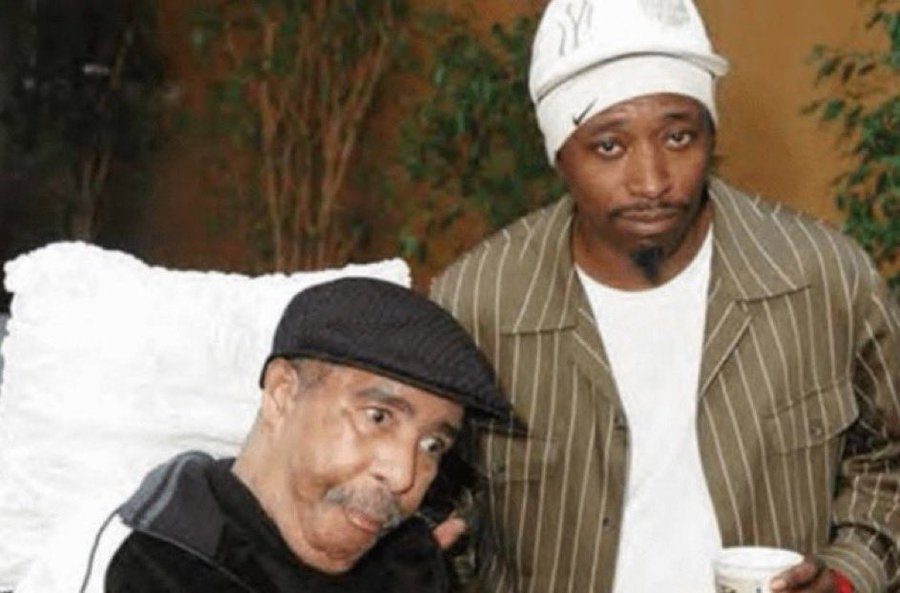
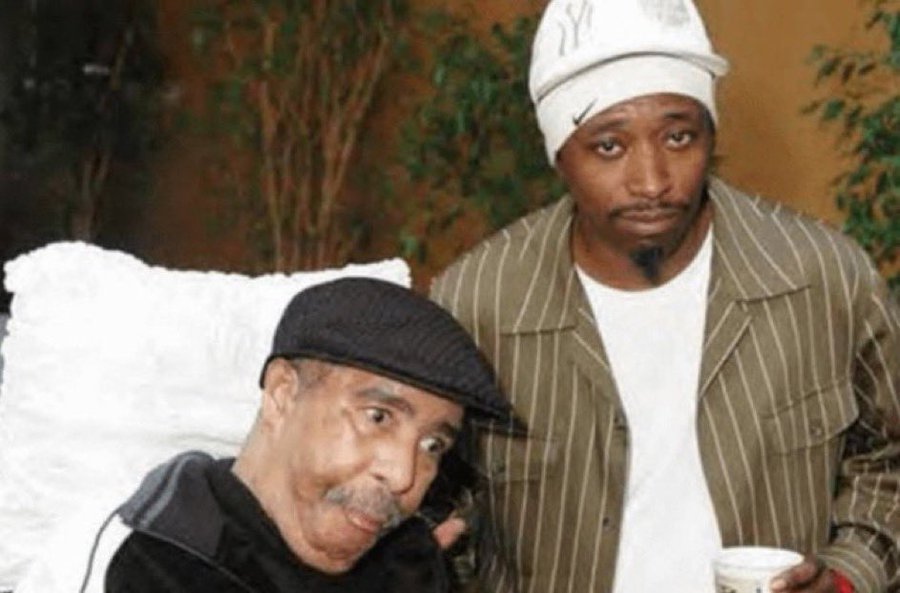
Richard Pryor, the legendary comedian, is pictured with Eddie Griffin shortly before his passing on December 10, 2005, at the age of 65 due to a heart attack.
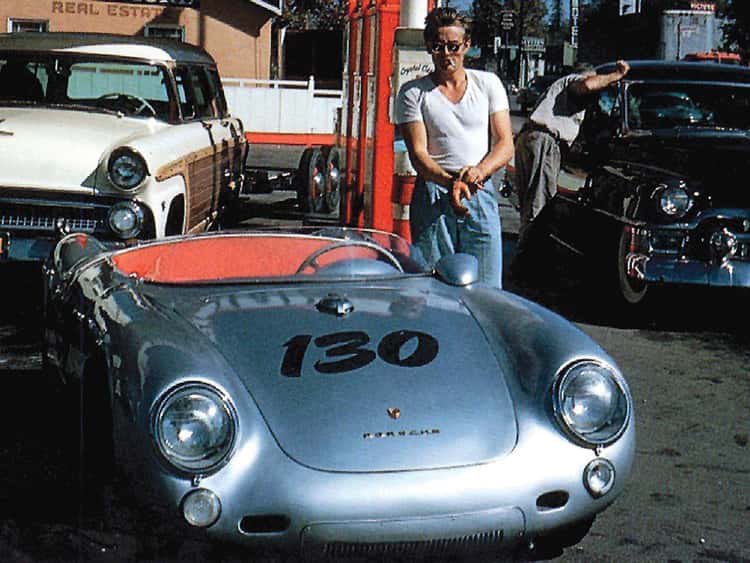
James Dean pictured at a gas station on the day of his passing. Dean lost control of his Porsche while swerving to avoid another car on September 30, 1955.
Photograph of famed actress Candy Darling in her hospital bed shortly before she passed away after battling lymphoma. She was 29.
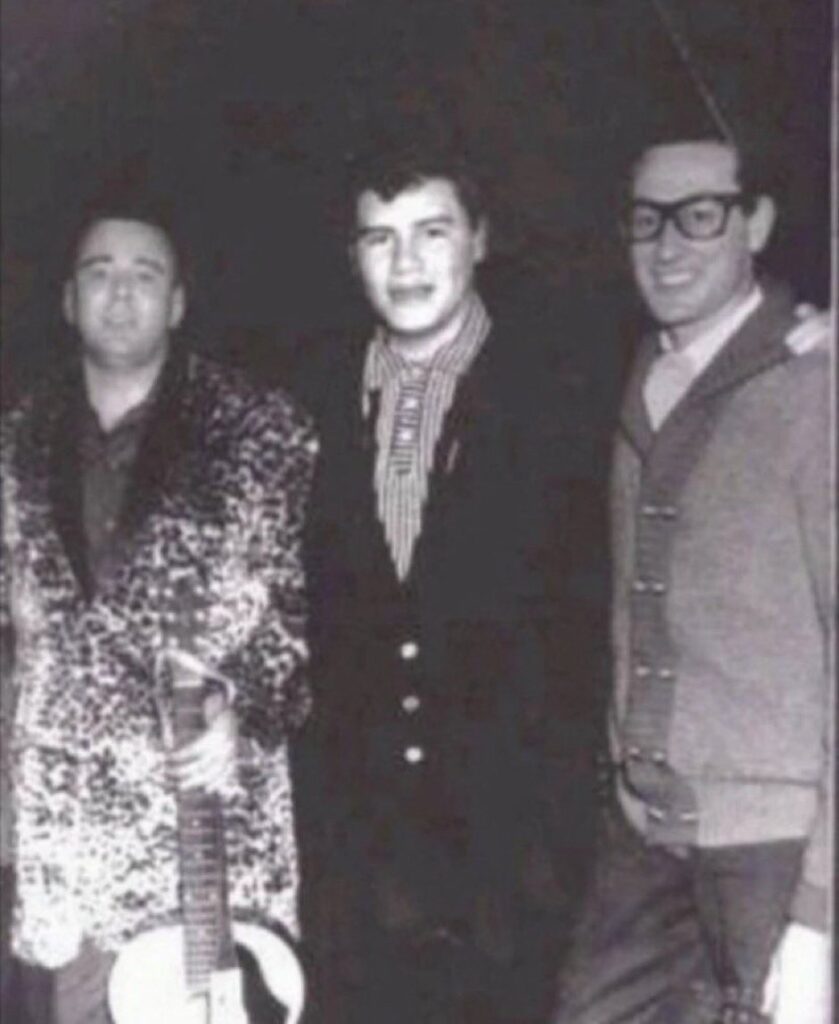
One of the last photographs of musicians Buddy Holly, J.P. Richardson, and Ritchie Valens, taken before they boarded a plane that crashed in an Iowa field on February 3rd, 1959, an event later known as ‘The Day the Music Died.’
On December 22, 2016, Carrie Fisher was photographed by a fan in London. She flew to Los Angeles the following day, where she suffered a heart attack during the flight. Sadly, she passed away four days later on December 27, 2016, while in a hospital.
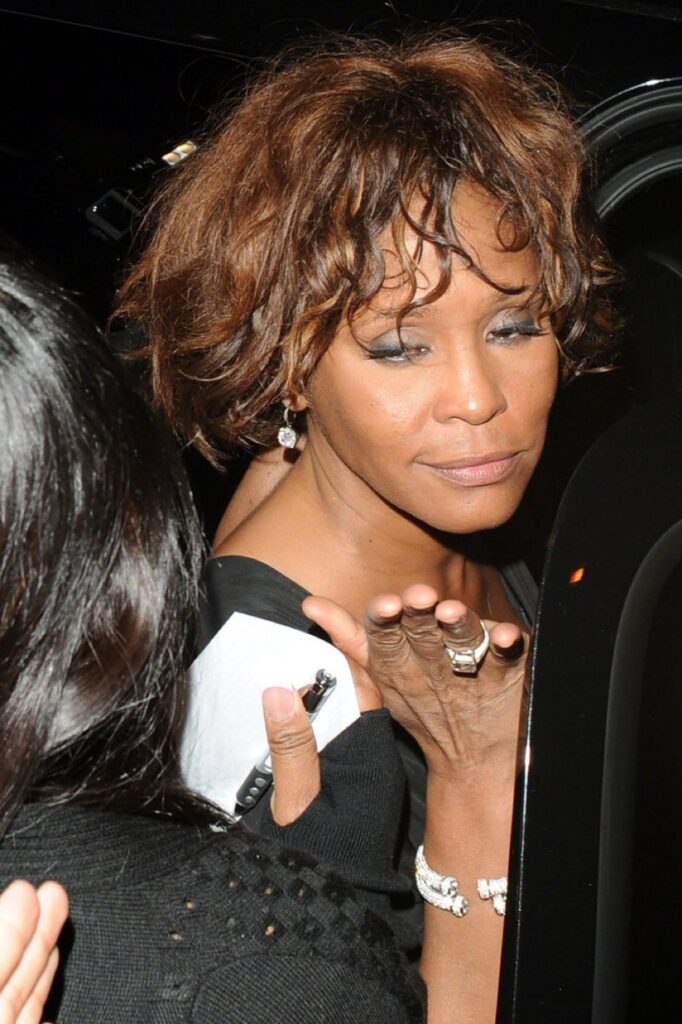
This is the last known photograph of Whitney Houston. It was taken as she left an event in Los Angeles, two days before she tragically passed away in a hotel bathtub due to a accidental drowning.
One of the very last public images of George Michael, taken before his untimely passing on December 25, 2016. The cause of death was determined to be a combination of dilated cardiomyopathy, myocarditis, and a fatty liver.
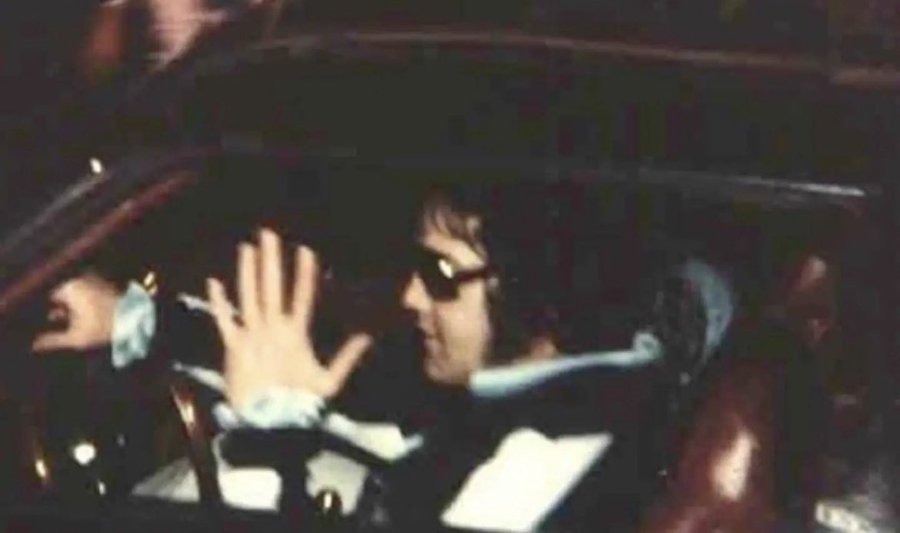
This image captures one of Elvis Presley’s final moments, snapped shortly after midnight on August 16, 1977. Tragically, the King of Rock ‘n Roll suffered a fatal heart attack later that same day, passing away at the age of 42.
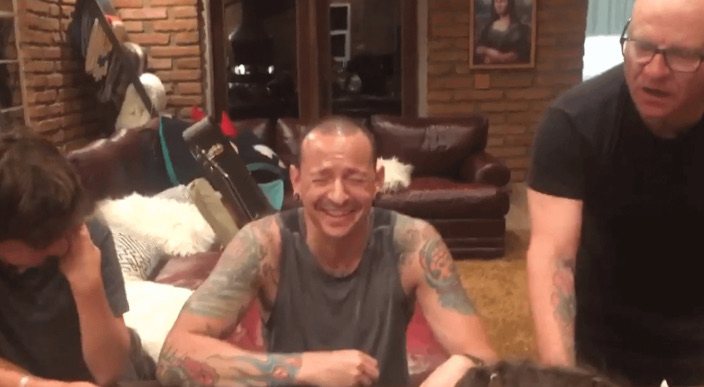
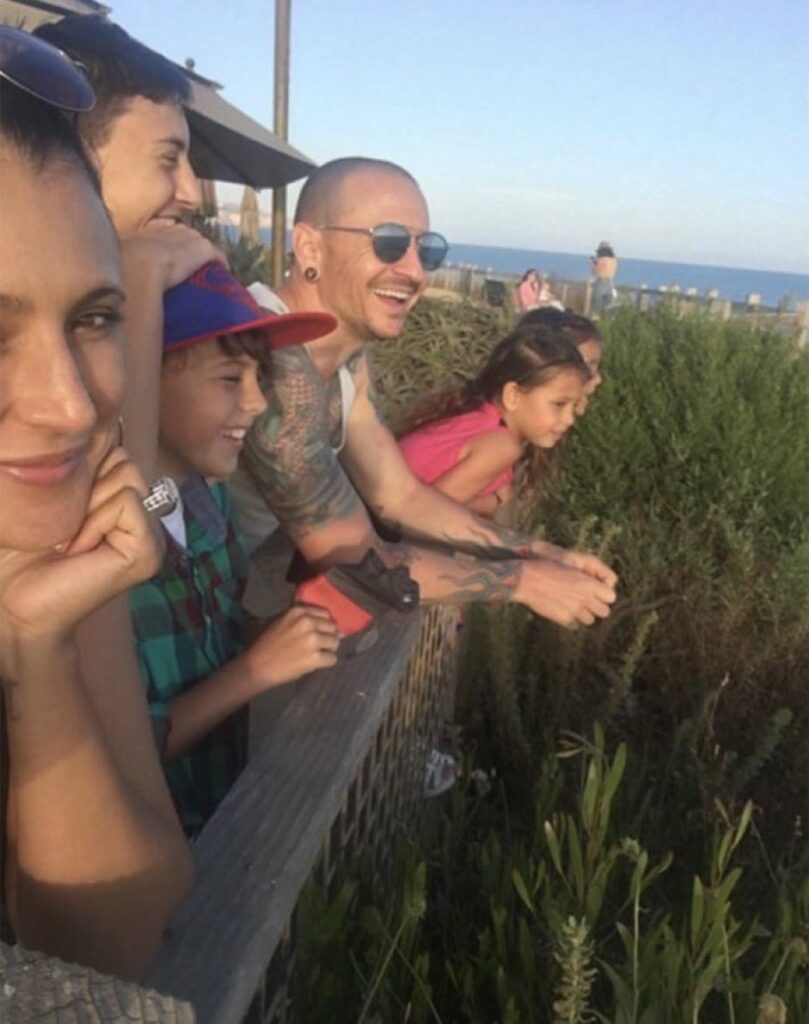
This poignant photo, taken by Chester Bennington’s wife, is believed to be the last image captured of the Linkin Park frontman before he tragically took his own life the following day.
These are the last known photos of James Gandolfini taken on the day/night he tragically suffered a massive and fatal heart attack in his hotel room in Italy.
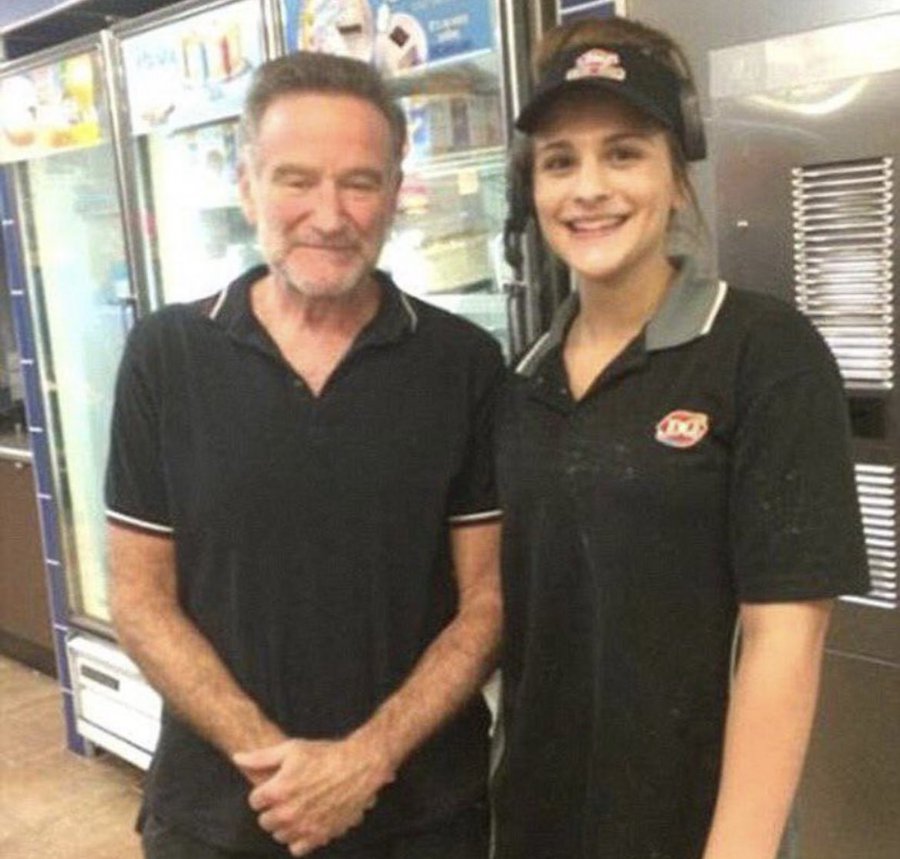
One of the last known images of Robin Williams taken before he tragically ended his own life.
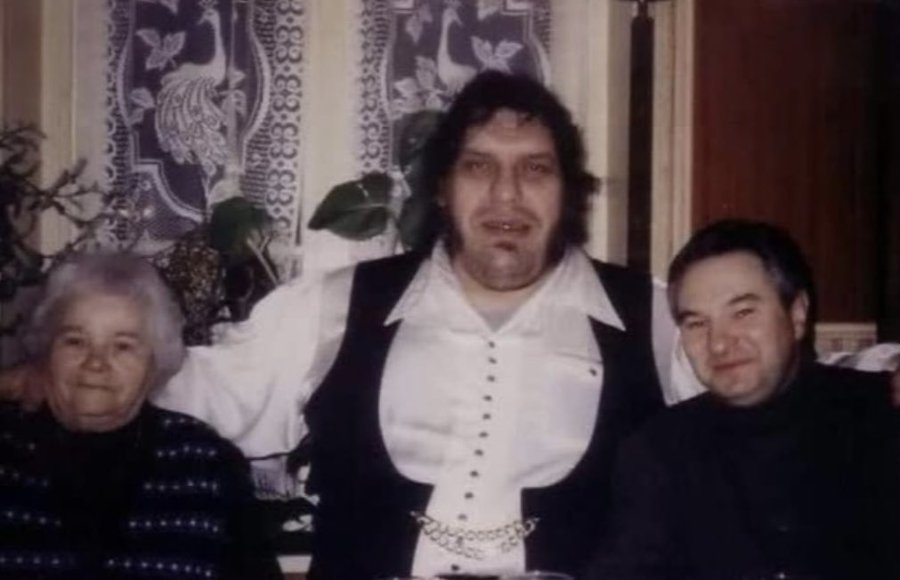
The last known photograph of professional wrestler Andre the Giant was taken in Paris during his visit for his father’s funeral. Sadly, he passed away in his sleep just three days later due to congestive heart failure caused by his acromegaly, a condition characterized by abnormal growth of the hands, feet, and face.
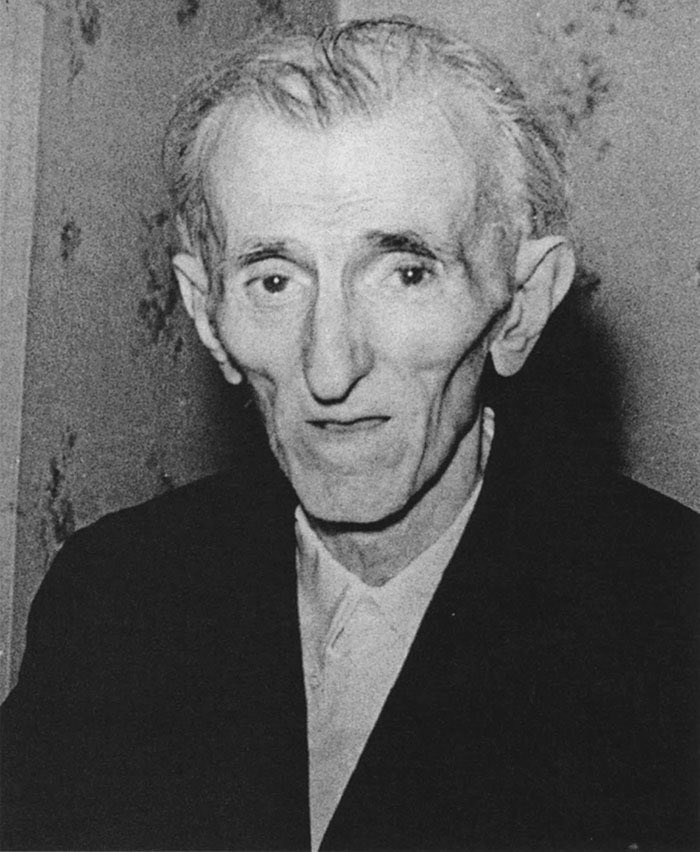
This photograph captures Nikola Tesla shortly before his passing. On January 7, 1943, Tesla passed away alone in a room at the New Yorker Hotel. By this point in his life, Tesla had fallen into poverty and adopted a vegetarian diet, subsisting primarily on milk, bread, honey, and vegetable juices.
This is the last known photograph of Tupac Shakur, taken just moments before he was tragically shot multiple times in a drive-by shooting in Las Vegas, Nevada, on September 7, 1996. Despite all efforts, he succumbed to his injuries six days later while being treated in hospital.
This image, captured by surveillance cameras, depicts musician Prince entering his physician’s office on April 20, 2016. Tragically, he passed away the following day due to an overdose.
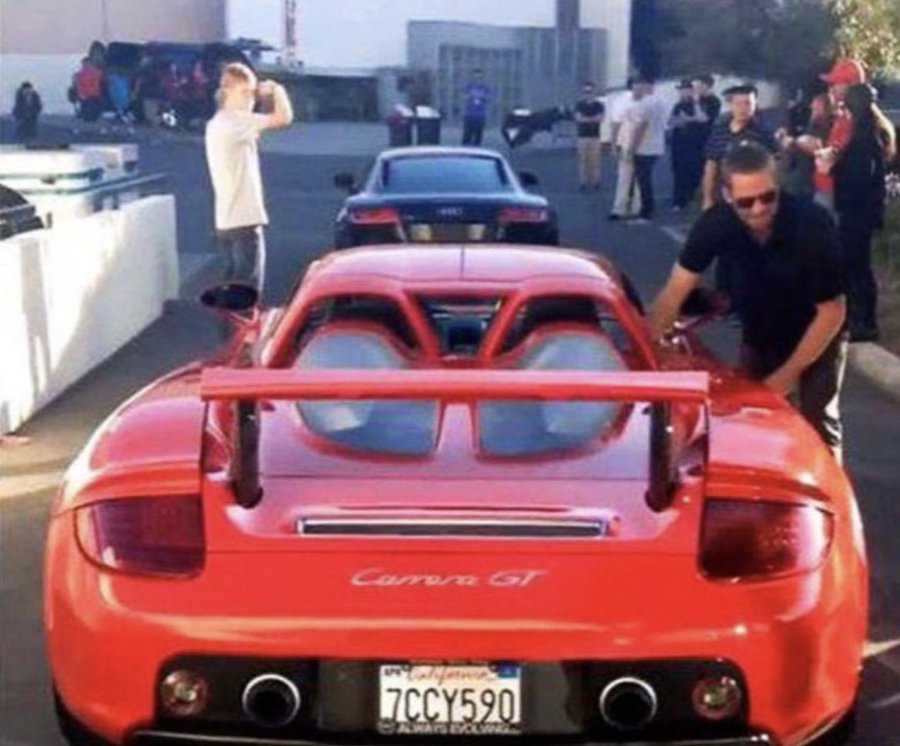
Fast & Furious actor Paul Walker stepping into the vehicle that, shortly thereafter, collided with a tree and burst into flames.
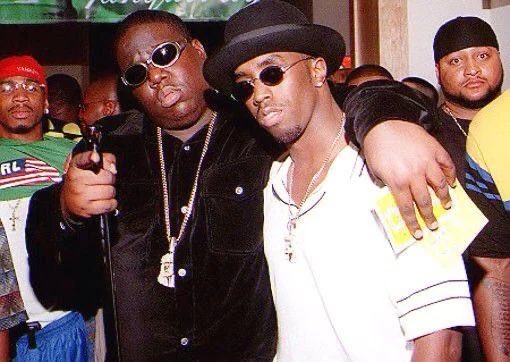
One of the final images of Biggie Smalls, captured shortly before the tragic shooting that claimed his life on March 9, 1997.
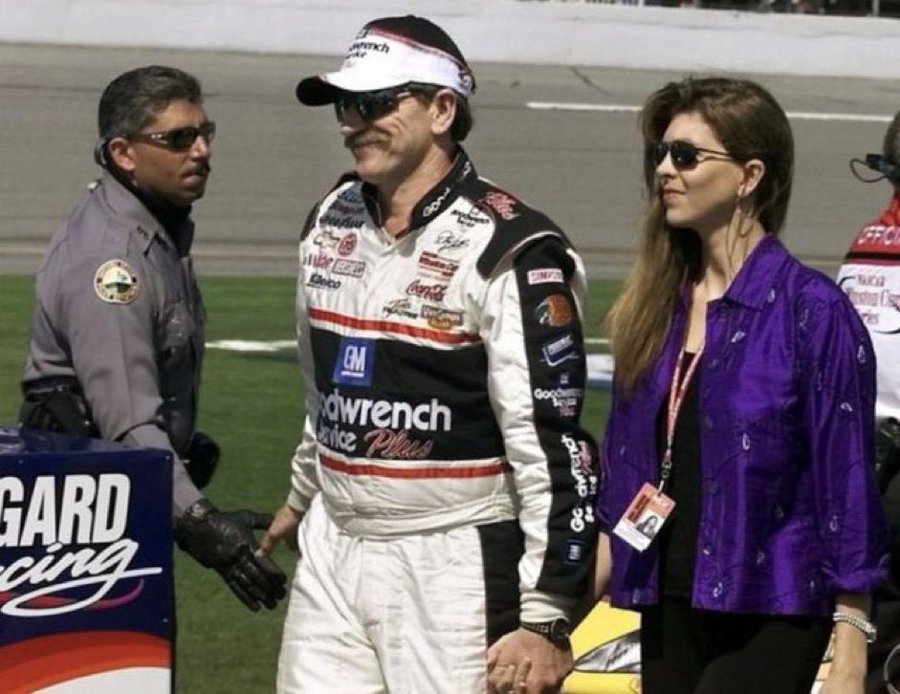
Dale Earnhardt lost his life in a three-car collision during the Daytona 500 in 2001. This is one of the last images ever taken of him.
Photograph of singer Christina Grimmie just hours before 27-year-old Kevin James Loibl shot her three times at point-blank range during an autograph signing in 2016.
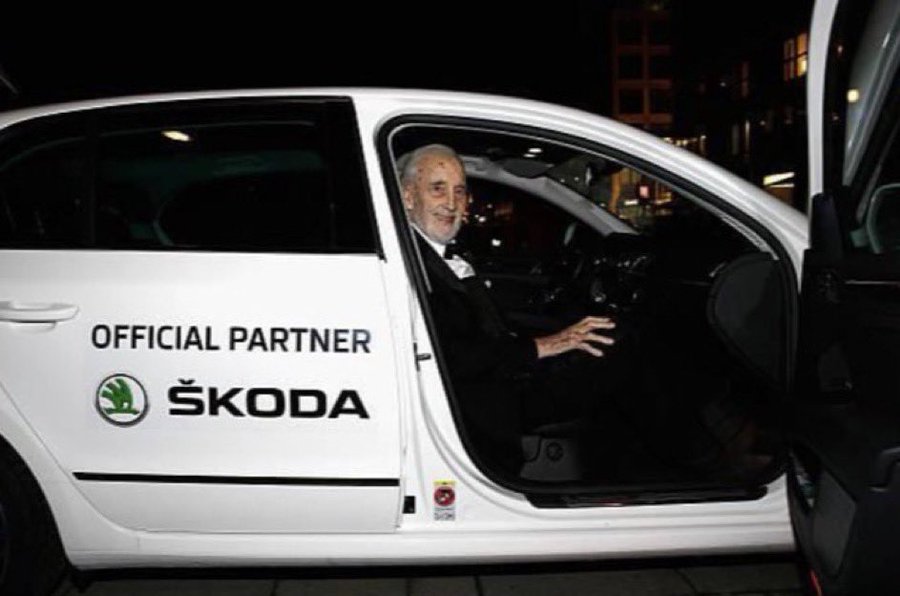
Actor Christopher Lee seen at an event just 4 months before he passed away from congestive heart failure at 93.
Photo of the legendary comedian Richard Pryor alongside fellow comedian Eddie Griffin, taken shortly before Pryor’s passing on December 10, 2005, at the age of 65 due to a heart attack.
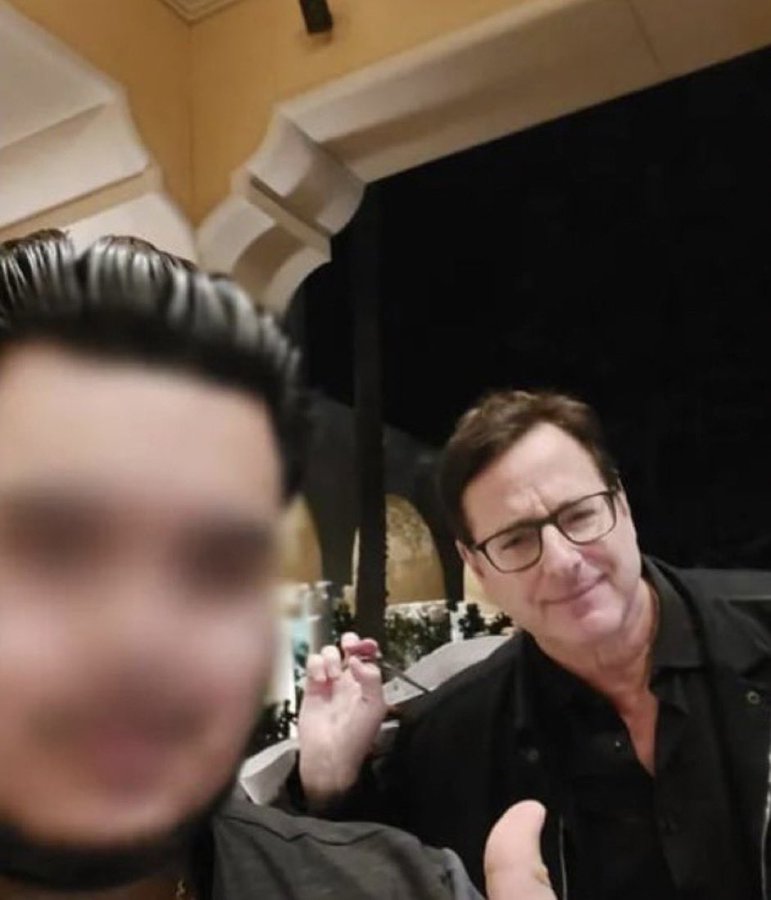
Bob Saget seen in his final photograph just hours before he passed away after a fatal fall in his hotel room at age 65.
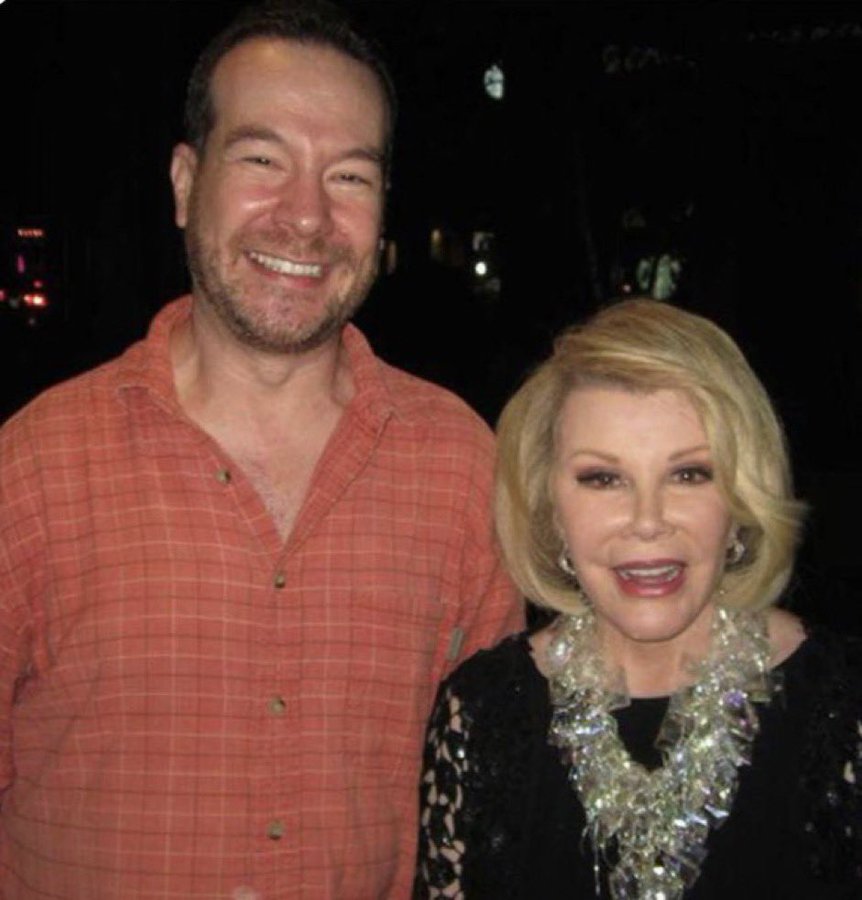
Joan Rivers posing with Shade Rupe, a fan, after what would be her final comedy show on the 27th August 2014. she would suffer a heart attack the next day and die on the 4th September 2014.
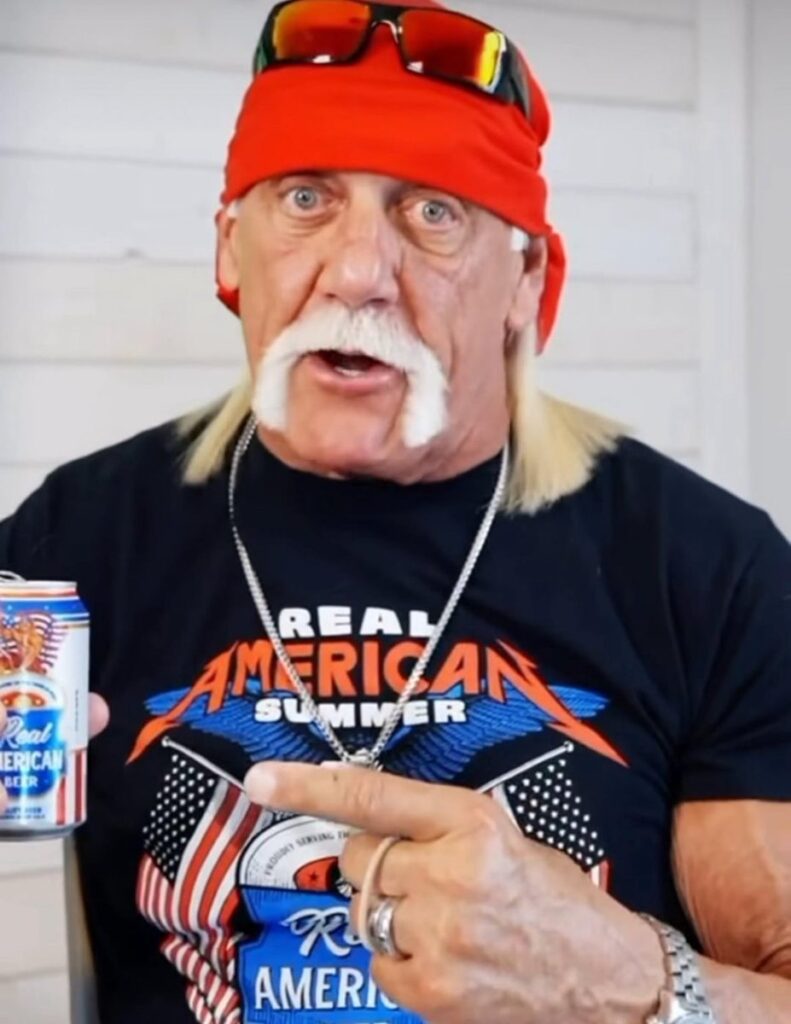
One of the final photos of Hulk Hogan, taken just 6 days before his death due to cardiac arrest in 2025.
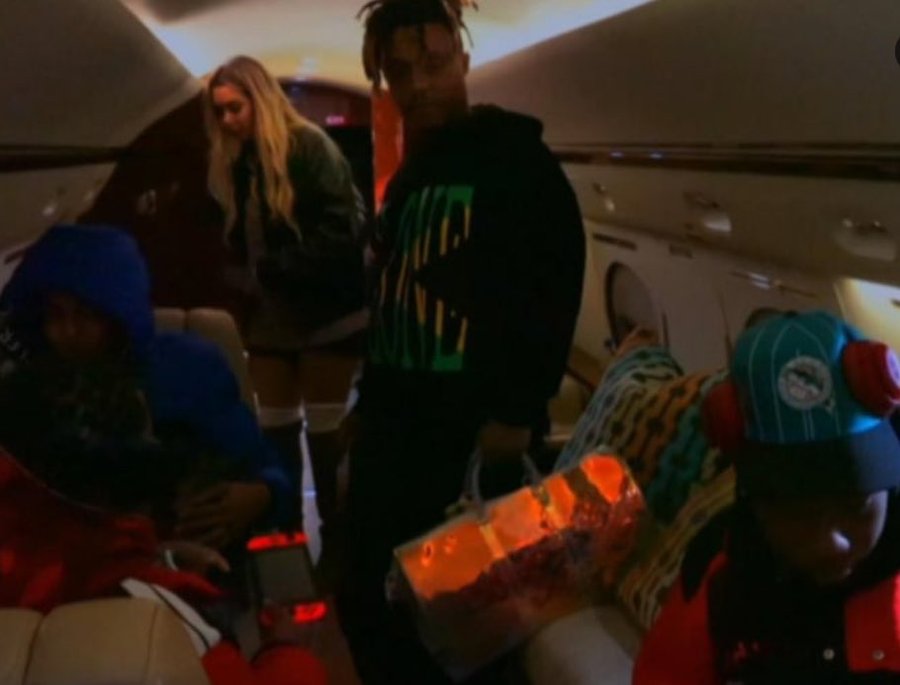
One of the final photos of rapper Juice WRLD aboard his private jet, taken hours before he passed in 2019.
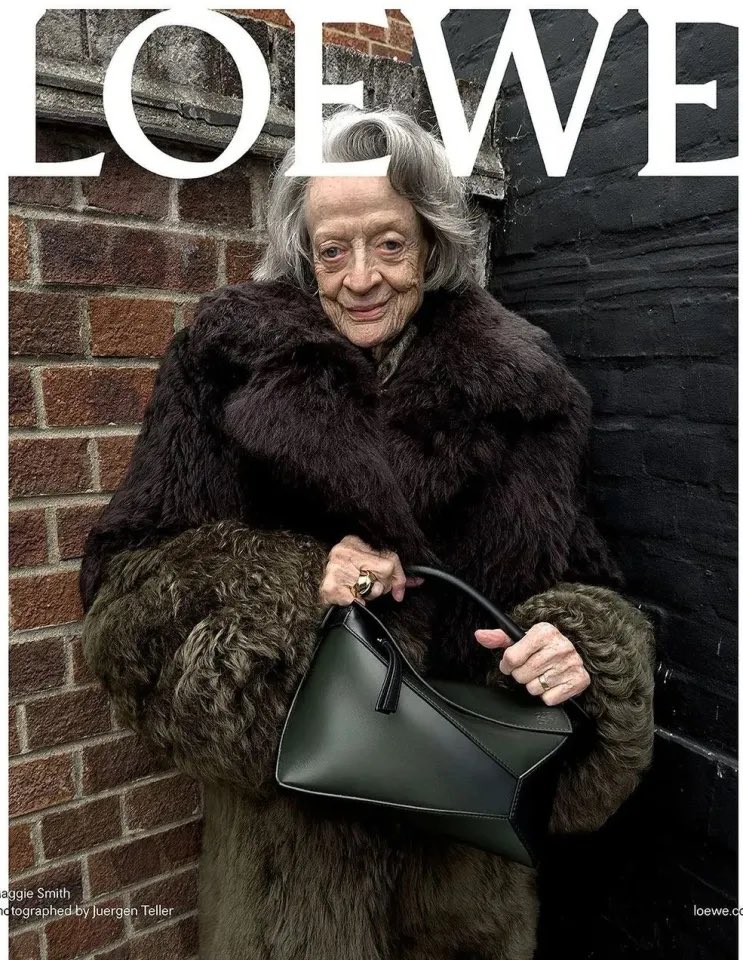
Dame Maggie Smith, known for her role as Professor Minerva McGonagall in the Harry Potter films, has sadly passed away at 89. This is one of her final public photos, featured on the cover of a fashion magazine in late 2023.
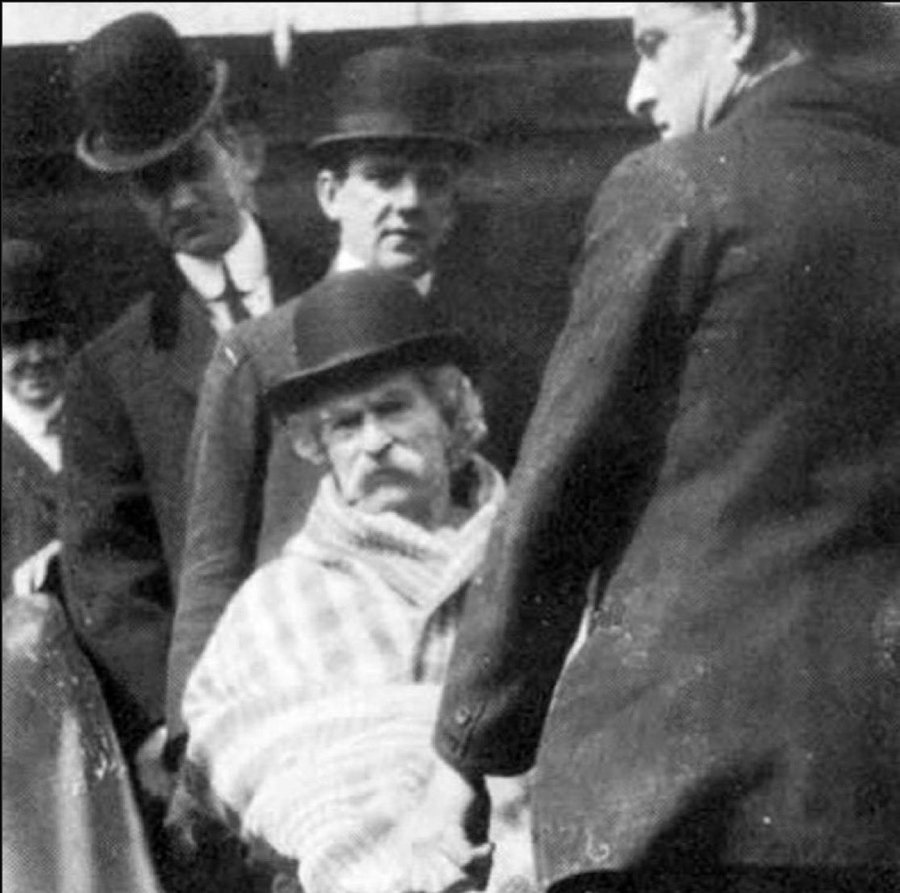
This is the final photograph of Mark Twain, taken shortly before his death on April 21, 1910. A note by his death bed read “Death, the only immortal who treats us all alike, whose pity and whose peace and whose refuge are for all — the soiled and the pure, the rich and the poor, the loved and the unloved.”
Actress Dana Plato’s last photo before she took her own life in 1999. She was 34.
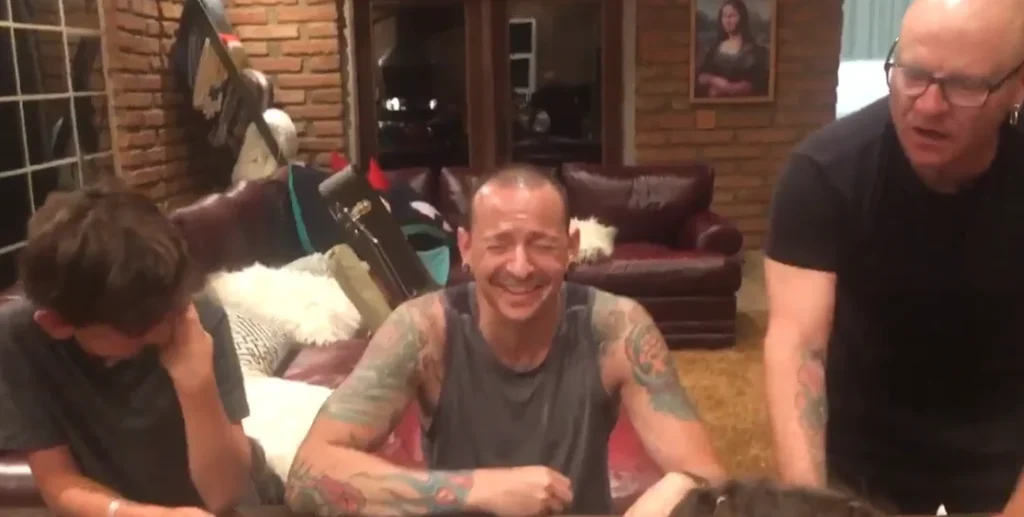
Talinda Bennington posted footage of her husband Chester laughing just 36 hours before he took his own life in 2017.
A photo of chef Anthony Bourdain in Colmar, France, just two days before he would take his own life.
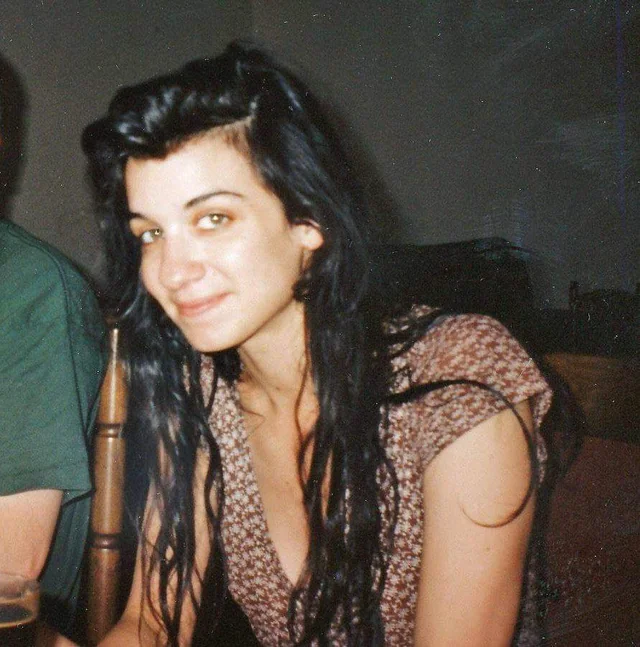
Legendary bassist Kristen Pfaff in 1994. She passed from an OD shortly after this photo was taken. She was only 27 years old.
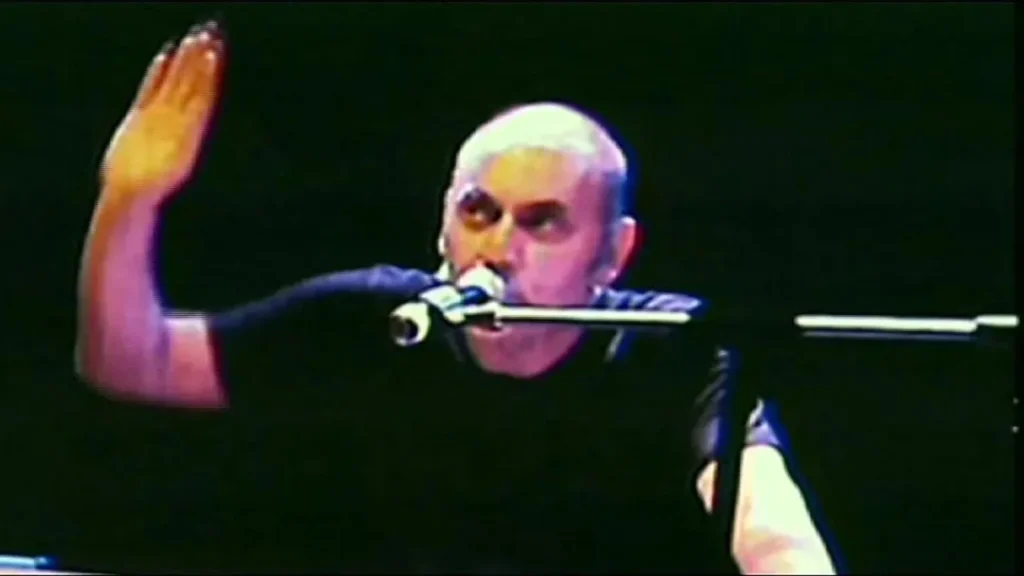
Italian singer/songwriter Mango pauses his performance in 2014 raises his hand and says “Excuse me” to the audience and collapses. He passed en route to the hospital from a heart attack. He was only 60.



 uinn (@QuinnKeaney) January 8, 2018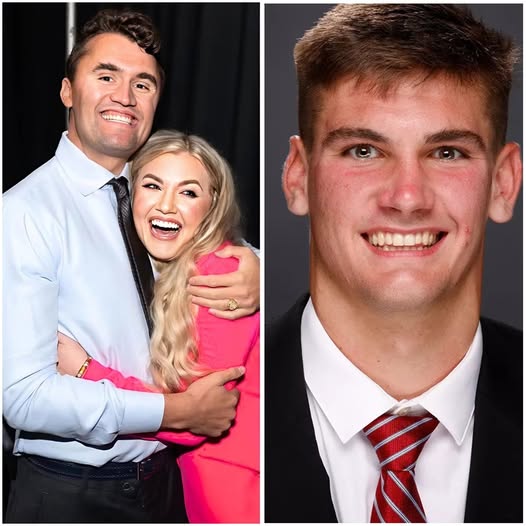
:upscale()/2018/12/11/695/n/1922283/f7402ee7b5e1f80d_NUP_185057_0862.JPG)
:upscale()/2018/12/11/695/n/1922283/aa6942bc8a3df192_NUP_185057_0943.JPG)
:upscale()/2018/12/11/695/n/1922283/363837f5c3aa2f0f_NUP_185057_0881.JPG)
:upscale()/2018/12/11/695/n/1922283/888aef965b26283f_NUP_185057_0760.JPG)
:upscale()/2018/12/11/695/n/1922283/7bb3b62771e7d04e_NUP_185057_0924.JPG)
:upscale()/2018/12/11/695/n/1922283/4126b45ff42e5cfa_NUP_185057_0572.JPG)