Deprecated: Function visual_composer is deprecated since version 5.8! Use wpbakery instead. in /home/dailygardeningmag/htdocs/dailygardeningmag.com/wp-includes/functions.php on line 6170 admin, Author at Daily Gardening Mag - Page 35 of 262
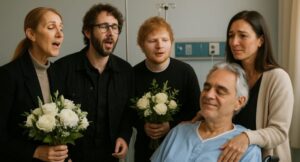
In a moving homage that blends vulnerability with reverence, Ed Sheeran has released the official tribute video for âTribute to Ozzy Osbourne,â an acoustic ballad honoring the late rock legend, who passed away at 76. Known for his poetic lyricism and emotional delivery, Sheeran steps into uncharted territoryâsoulfully honoring the godfather of heavy metal with stripped-down sincerity.
Opening with soft fingerpicked guitar and somber strings, Edâs voice is raw, almost trembling, as he sings: âYou raised your cross against the world, and we all followed loud and proud / Now the silence echoes louder, since youâre not aroundâŠâ
The tribute captures the many shades of Ozzy Osbourneâhis wild defiance, unrelenting authenticity, and unexpected gentleness. Archival footage woven into the video shows Ozzy in both his iconic chaos and rare, tender momentsâsmiling backstage with family, hugging fans, and bowing after his final performance.
âI didnât grow up with Sabbath,â Sheeran admits in the videoâs intro. âBut I grew up with music shaped by Ozzyâs influence. His fearlessness, his fire, his flawsâthatâs what made him timeless.â
The song crescendos into a whispered chorus, repeating âYouâre not gone, just louder now,â before fading into silence. On-screen, a candle flickers out beside Ozzyâs signature round glasses and crucifix chain.
Fans around the world are already calling it one of Ed Sheeranâs most emotional performances to dateâan unexpected union of genres and generations. But above all, itâs a love letter. A final âthank youâ from one artist to another.
 Watch the full tribute below and feel the legacy live on.Â
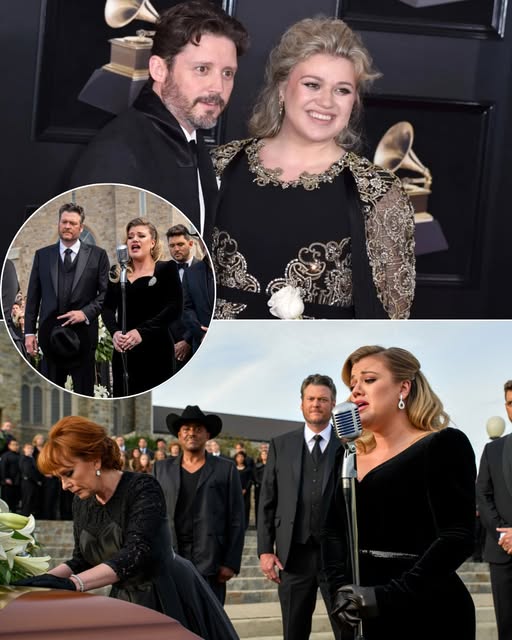
 No one expected him to show up. And certainly no one expected that voice â the voice of American country soul â to echo through the foggy heart of Highgate Cemetery.
But as Ozzy Osbourneâs casket rested beneath the chapelâs stone arch, Blake Shelton â country superstar and longtime coach on The Voice â stepped forward, wearing a worn leather jacket, faded jeans, and his signature boots, silent among a sea of black.
There were no microphones. No stage. Just the cold morning mist and a quiet crowd unsure what was about to happen.
Then, without warning⊠he began to sing.
Not a metal anthem. Not a country ballad. But a slow, aching a cappella version of âWill the Circle Be Unbroken?â
His voice cracked on the third line. His eyes never left the casket.
Mourners looked on in stunned silence. Even Kelly Osbourne had to wipe her face. A cameraman lowered his lens, unable to keep filming.
Blake sang the entire verse â raw, exposed â with nothing but the sound of wind rustling the ivy behind him.
And when he finished, he placed something at the foot of the casket: an old leather guitar strap. Burned into it were the initials âO.O.â
Later, when asked by a reporter why he came, Blake simply said:
âHe wasnât just a rock legend. He was a rebel soul. And rebel souls recognize each other.â
Ozzy Osbourne, the prince of darkness, was honored that day not with fireworks or screaming amps â but with a country hymn, sung by a cowboy who understood what it meant to stand alone.
And in that quiet moment⊠even the wildest spirits bowed their heads.
In May 2023, during a stop on The Howard Stern Show, Carrie pulled out one of the most unexpected covers of her career and somehow made it sound like it always belonged to her. âMama, Iâm Coming Home,â Ozzyâs 1991 power ballad, already hits hard on its own. But when Underwood took the mic, she didnât just sing it. She stripped it back to its bones and rebuilt it as a haunting country confession.
For those unfamiliar with the original, this wasnât one of Ozzyâs bat-biting, devil-horn-throwing anthems. It was softer, but in a way that cut even deeper. Written with Motörheadâs Lemmy Kilmister and guitarist Zakk Wylde, the song is a gritty love letter about weariness and needing shelter after a life lived on the edge. The Prince of Darkness showing his most human side. Carrie found a way to make it even more personal.
She didnât try to out-metal the metalhead. Instead, she leaned into what she does best by laying it all out there with a voice that could break glass and hearts in the same breath. The a cappella ending alone felt like it froze time. One fan said it gave them chills. Another admitted to tearing up. Even the diehard rock crowd couldnât deny the weight of it.
This wasnât just some off-the-cuff performance. Carrieâs been open for years about her rebellious teenage phase blasting Ozzy in the house while her mom tried to shut it down. She told Stern that her mom thought the music was too dark, but she always believed there was more to it than that. âThereâs a lot of love in these songs if you actually listen to them,â she said. And thatâs exactly what she brought out in her version.
Turns out she even had Sharon Osbourneâs blessing before ever taking the song to the stage. That alone shows how serious she was about getting it right.
She first tackled this song back in 2022 for an Apple Music Sessions release. Fans loved it then, but her Stern Show version took it to another level. There were no big lights or pyrotechnics. Just Carrie and the music, telling a story that felt like it was her own.
Itâs all part of a bigger shift happening in her world. With her SiriusXM channel Carrieâs Country, sheâs blending her gospel roots with her love for rock and old-school country. Sheâs not picking one side of the fence. Sheâs knocking the whole thing down and walking straight through.
Underwoodâs tribute happened long before Ozzyâs passing, but looking back now, it feels like something more. Like she knew that moment mattered. Like she wanted to show her love and respect while the man was still around to feel it.
Some artists talk about honoring their influences. Carrie lives it. No smoke and mirrors. Just a voice, a memory, and a song that has clearly stayed with her since she was a kid.
Ozzy might have built his legend in fire and chaos, but Carrie met that energy with calm power. And in doing so, she didnât just cover one of his most iconic tracks. She made it feel brand new.
âTo sing this song for you at an event surrounded by legends inspired by you to a crowd that loved you was truly my lifeâs greatest honourâ
Yungblud has paid homage to late Black Sabbath icon Ozzy Osbourne â see what he had to say about the metal innovator below.
The death of the heavy metal pioneer and iconic Black Sabbath frontman was announced on Tuesday (July 22). His family said in a statement that the 76-year-old music icon was âsurrounded by loveâ at the time of his passing.
It came shortly after he took to the stage for the huge âBack To The Beginningâ gig in Birmingham on July 5 â marking his final show both as a solo artist and with Black Sabbath. While a cause of death has not been revealed, Ozzy had notably been dealing with a myriad of health issues for numerous years, including being diagnosed with Parkinsonâs Disease in 2019.
Following the news of Ozzyâs devastating passing, Yungblud â who has famously looked up to Osbourne and was outspoken about his admiration for the metal legend â took to social media to pay homage.
âIâm trying to compute the last couple days and honestly Iâm fucking shattered,â Yungblud began. âYou have been my North Star for everything for as long as I can remember from when I was misunderstood as a child to the way people thought I was just a little âtoo muchâ or âstrangeâ in my life and career.â
Yungblud at Black Sabbathâs final show. CREDIT: Tom Pallant
âI owe so much to you, your wife and your family â you all gave me a road to run down and supported me when people would turn their nose up,â he continued. âYou loved life so much and you adored music. It was your smile man. You taught me it was beautiful to be out of the box. I promise you with all my heart I will try my best and make it my lifeâs journey to keep the spirit that you started and what you have taught me alive. I will give it my best shot.â
Referencing his Ozzy-approved cover of âChangesâ that he performed at the âBack To The Beginningâ show earlier this month, Yungblud added: âTo sing this song for you at an event surrounded by legends inspired by you to a crowd who loved you was truly my lifeâs greatest honour and I vow to play this song every night for the rest of my life.â
He concluded his touching tribute with a shoutout to Ozzyâs late guitarist Randy Rhoads: âYouâre my hero in every regard. I hope youâre up there avin a drink with Randy. For the Prince of Darkness you sure brought all the light to the world. I love you Ozzy.â
At the âBack To The Beginningâ show, Yungblud led a group that also included Nuno Bettencourt from Extreme on guitar, II from Sleep Token on drums and Adam Wakeman of Ozzy Osbourneâs band â and son of rock legend Rick â on keys. Yungblud dedicated the cover to the late Liverpool star Diogo Jota, who tragically lost his life in a car accident in northern Spain on July 3.
After the tribute show, Yungblud officially released the âChangesâ cover, which received the seal of approval from the Black Sabbath frontman himself, who said: âHe did an amazing job. I couldnât have done it better myself.â
Check out Yungbludâs powerful cover of Black Sabbathâs âChangesâ below.
Elsewhere at the mammoth âBack To The Beginningâ gig â which boasted a star-studded line-up, including Guns Nâ Roses, KoRn, Tool, Slayer, Pantera, Metallica, Alice In Chains and more â Yungblud gifted Ozzy Osbourne with a custom-made gold cross.
Ozzy and Yungblud had previously teamed up for the 2022 âThe Funeralâ music video. During the filming of that video, the Black Sabbath legend gave Yungblud the gold cross that he was wearing as a token of good luck.
âIâve made you something. You gave me your cross, and I wanted to return the favour, so I made you something,â he told Osbourne at âBack To The Beginningâ. âIâve got mine on. I never took mine off, so I wanted to return the favour.ââ
Thank you for everything. Itâs a fucking honour,â he added, while the âParanoidâ singer looked visibly moved by the gesture, and saying that Yungblud could always reach out to him for anything he needs. âThe fucking music was enough,â Yungblud responded. âThank you so much, honestly. You gave me an outlet. Everyone thought I was too fucking mad and that I was like âNo, Iâm like Ozzyâ.â
Back in 2022, Yungblud spoke to NME about what it was like to work with Ozzy Osbourne for the âFuneralâ music video, and shared how he feels a huge amount of respect for the Black Sabbath singer. âHeâs so intelligent and so fucking beautiful. People are scared of him until they hear him speak,â he said. âHe said that he saw a lot of himself in me. He said, âNever apologise for anything. They will understand you later. Time always tells.ââ
Countless fans and figures from the music world have shared tributes to the âCrazy Trainâ singer â including Zak Starkey, Adam Sandler, Ghostâs Tobias Forge, Alice Cooper, Elton John, Yungblud, Billie Joe Armstrong, Jack White, Coldplay, Gojira and his former guitarist Jake E Lee.
Touching messages have also been shared by his Sabbath bandmates Tony Iommi, Bill Ward and Geezer Butler.
 On a misty morning at Highgate Cemetery, a farewell unfolded that those in attendance will never forget.
Ozzy Osbourne, the immortal icon of rock and roll, was laid to rest â and it was none other than Brian May, legendary guitarist of Queen, who led the quiet procession that would etch itself into the hearts of hundreds gathered.
There were no announcements. No formal introduction. Just minutes before Ozzyâs casket was to reach its final resting place, Brian May appeared in silence, clad in a long black coat, his silver hair falling gently to his shoulders. In his hands: a worn acoustic guitar, weathered with time and history.
Then, without a word, he began to walk â slowly, beside the casket â gently strumming the opening notes of âMama, Iâm Coming Home.â And in that moment, the world stood still.
Lining the path on both sides, mourners dressed in black held white flowers close to their chests. Some wept quietly. Others knelt, hands pressed to their hearts. A few reached out as the casket passed, as if hoping to touch, just once more, the spirit of the man who gave them voice through darkness.
Walking beside the casket was Ozzyâs daughter, a young woman with striking purple hair in a short cut â her expression pale, grief-stricken. She spoke no words. Her hand rested gently on the lid of her fatherâs coffin, every step a silent tribute. Her tears fell without sound, but they echoed in the eyes of everyone who witnessed them.
One attendee whispered afterward:
âWhen Brian reached the chorus, I couldnât hold it together. It felt like Ozzy was still with us, somewhere in that fog.â
Under the gray London sky, there was no microphone, no spotlight, no fanfare â and yet it may have been the most powerful performance of Brian Mayâs life.
Ozzy Osbourne, the man who once screamed âI am Iron Manâ across stages worldwide, was sent home with the very melody he once wrote about returning to family. And the man who played it for him â could not have been more fitting.
In a night dedicated to legacy, genius, and musical excellence, Adam Lambert didnât just performâhe pierced through time. At the 2025 Polar Music Prize ceremony, held at the majestic Grand HĂŽtel in Stockholm, Lambert was tasked with what many would consider an impossible challenge: paying tribute to Queen with a rendition of their soul-stirring ballad, âWho Wants to Live Forever.â
But what happened in those few minutes wasnât simply a performanceâit was a once-in-a-lifetime communion between artist, audience, and memory.
From the moment Lambert took the stageâdraped in understated black, framed by a full orchestraâthere was an electric stillness in the air. And when he opened with the haunting lyrics, âThereâs no time for us, thereâs no place for usâŠâ it became immediately clear: this wasnât imitation. It wasnât showmanship. This was invocationâthe resurrection of emotion and timelessness through the pure force of one manâs voice.
His tone was delicate, operatic, and devastatingly humanâpaying homage to Freddie Mercury without ever trying to be him. Every crescendo felt earned. Every falsetto soared like a prayer. And as the orchestra swelled, Adamâs voice didnât just riseâit transcended. In those final, aching moments of the song, he wasnât just honoring Queen. He was answering the very question the song asks: Who wants to live forever?
In the audience, Brian May and Roger Taylor sat motionless, visibly overcome. May later described the moment as âunrealâ and âspiritually overwhelming.â Several attendeesâincluding seasoned artists, diplomats, and industry legendsâwere spotted wiping tears from their eyes. The performance didnât just echo Queenâs legacyâit elevated it, in real time, in front of the people who lived it.
âI just wanted to honor Queen, but what happened was something way bigger than me. That stage, that orchestra, that songâit took on a life of its own. I felt like I was floating through time.â
Fans around the world reacted instantly. Social media erupted with clips and praise, calling it one of the most powerful live renditions of a Queen song in decades. Some even went so far as to say itâs the performance that will finally cement Adam Lambertânot just as Queenâs modern-day frontmanâbut as a torchbearer of their soul.
In a world filled with noise, Lambert found silence, stillness, and eternity in a single song. And for a few minutes in Stockholm, forever didnât seem so far away.
 Watch it nowâan unforgettable moment in music history.
It was a moment no camera captured, and yet, it lives vividly in the hearts of those who saw it.
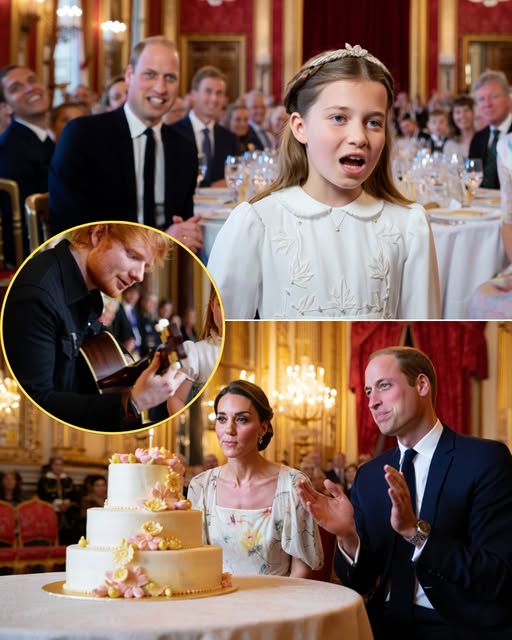
Windsor Castleâs private garden is not known for drama or spectacle. It is a quiet refuge, a sanctuary of stillness where centuries of royal history breathe gently in the rustle of leaves and the soft crunch of gravel beneath royal shoes. But on one unseasonably warm July afternoon in 2025, the silence was brokenânot by duty, not by decree, but by a childâs voice trembling with emotion and love.
Princess Charlotte, nine years old, with nothing more than a small ukulele and a folded note in hand, walked into the west lawn carrying something far more powerful than a speech or ceremony: her heart.
King Charles III, undergoing cancer treatment and facing one of the most vulnerable chapters of his life, had spent much of his recovery in the rose-draped garden where his mother once walked. He wore no crown. There were no red boxes. Just a soft grey jumper, slacks, and a heavy blanket across his knees. The monarch looked every inch a grandfatherâmore human than king.
He was deep in thought when it happened. From beyond the hedges came a voiceâfaint, then rising, like sunlight through cloud cover. âSomewhere over the rainbow⊠way up highâŠâ
And for a brief, shattering moment, time stopped.
He looked up slowly. Across the lawn stood Charlotte, the ukulele cradled in her arms, strumming gently, voice unsure but steadying with each word. There had been no rehearsal, no palace aides involved. This wasnât a planned tribute or part of some royal tradition. According to sources inside Kensington Palace, it had been Charlotteâs idea alone.
âShe wanted to sing for him,â one staff member revealed quietly. âShe said she missed his laugh.â
No one moved. Even the birds seemed to pause as Charlotte made her way through the iconic melodyâa lullaby from another time, another kind of magic. Her voice cracked once. She took a deep breath. And then, with every ounce of courage she had, she kept going.
âAnd the dreams that you dare to dream really do come trueâŠâ
When she sang the final line, her grandfatherâs head bowedânot in royal etiquette, but in raw emotion. An aide who was present described the Kingâs face as âsoftened⊠undone⊠like he was holding something invisible but fragile in his hands.â
Charlotte stepped forward and gently set the ukulele down beside him. Without a word, she handed him a folded note.
He opened it. âFor my brave hero,â it read. âYour strength lights our skies. Love, Charlotte.â
The King didnât speak right away. But then he held the paper against his heart and whispered, âThatâs my brave girl.â
Those who know King Charles say he has long believed in the power of small, intimate gestures over grand proclamations. But even for him, this moment felt different. âThere was something sacred about it,â said one royal gardener who witnessed the exchange from a distance. âIt wasnât a performance. It was love. Thatâs all.â
There were no photographs released to the press. No official commentary. And yet, within hours, palace corridors hummed with quiet reverence. A royal aide called it âthe most human moment Windsor has seen in years.â Another said they hadnât seen the King smile âwith his whole faceâ in daysâuntil that song.
It wasnât just a girl singing for her grandfather. It was a reminder that the monarchy, for all its history and protocol, is also a familyâone still capable of expressing grief, hope, and healing in its simplest, most honest form.
And for King Charles, it may have been exactly what he needed.
In the days that followed, insiders noted a shift. The King resumed his daily walks, his appetite improved, and his mood, once solemn, now held sparks of the mischief heâd been known for in younger years. âShe gave him a reason to keep going,â said one longtime royal staffer. âNot as king. As Grandpa.â
The moment has also reignited speculation around Princess Charlotteâs future role in the monarchy. Though she remains far from the throne, whispers suggest that King Charles has considered passing down to her one of Queen Elizabeth IIâs lesser-known but beloved honorary titles. âSheâs earned something,â one insider noted. âNot for duty. For heart.â
But titles are not what matter most here.
What matters is this: A girl sang a song. A king cried. And somewhere in that quiet garden, love healed something too deep for words.
They say music can mend what medicine cannot. But on that day, it wasnât the melody that healedâit was who sang it, why she sang it, and who was listening.
Charlotte didnât sing to be seen. She sang because she loves him.
And that, more than any crown or ceremony, is what legacies are truly made of.
It was a moment no camera captured, and yet, it lives vividly in the hearts of those who saw it.
Windsor Castleâs private garden is not known for drama or spectacle. It is a quiet refuge, a sanctuary of stillness where centuries of royal history breathe gently in the rustle of leaves and the soft crunch of gravel beneath royal shoes. But on one unseasonably warm July afternoon in 2025, the silence was brokenânot by duty, not by decree, but by a childâs voice trembling with emotion and love.
Princess Charlotte, nine years old, with nothing more than a small ukulele and a folded note in hand, walked into the west lawn carrying something far more powerful than a speech or ceremony: her heart.
King Charles III, undergoing cancer treatment and facing one of the most vulnerable chapters of his life, had spent much of his recovery in the rose-draped garden where his mother once walked. He wore no crown. There were no red boxes. Just a soft grey jumper, slacks, and a heavy blanket across his knees. The monarch looked every inch a grandfatherâmore human than king.
He was deep in thought when it happened. From beyond the hedges came a voiceâfaint, then rising, like sunlight through cloud cover. âSomewhere over the rainbow⊠way up highâŠâ
And for a brief, shattering moment, time stopped.
He looked up slowly. Across the lawn stood Charlotte, the ukulele cradled in her arms, strumming gently, voice unsure but steadying with each word. There had been no rehearsal, no palace aides involved. This wasnât a planned tribute or part of some royal tradition. According to sources inside Kensington Palace, it had been Charlotteâs idea alone.
âShe wanted to sing for him,â one staff member revealed quietly. âShe said she missed his laugh.â
No one moved. Even the birds seemed to pause as Charlotte made her way through the iconic melodyâa lullaby from another time, another kind of magic. Her voice cracked once. She took a deep breath. And then, with every ounce of courage she had, she kept going.
âAnd the dreams that you dare to dream really do come trueâŠâ
When she sang the final line, her grandfatherâs head bowedânot in royal etiquette, but in raw emotion. An aide who was present described the Kingâs face as âsoftened⊠undone⊠like he was holding something invisible but fragile in his hands.â
Charlotte stepped forward and gently set the ukulele down beside him. Without a word, she handed him a folded note.
He opened it. âFor my brave hero,â it read. âYour strength lights our skies. Love, Charlotte.â
The King didnât speak right away. But then he held the paper against his heart and whispered, âThatâs my brave girl.â
Those who know King Charles say he has long believed in the power of small, intimate gestures over grand proclamations. But even for him, this moment felt different. âThere was something sacred about it,â said one royal gardener who witnessed the exchange from a distance. âIt wasnât a performance. It was love. Thatâs all.â
There were no photographs released to the press. No official commentary. And yet, within hours, palace corridors hummed with quiet reverence. A royal aide called it âthe most human moment Windsor has seen in years.â Another said they hadnât seen the King smile âwith his whole faceâ in daysâuntil that song.
It wasnât just a girl singing for her grandfather. It was a reminder that the monarchy, for all its history and protocol, is also a familyâone still capable of expressing grief, hope, and healing in its simplest, most honest form.
And for King Charles, it may have been exactly what he needed.
In the days that followed, insiders noted a shift. The King resumed his daily walks, his appetite improved, and his mood, once solemn, now held sparks of the mischief heâd been known for in younger years. âShe gave him a reason to keep going,â said one longtime royal staffer. âNot as king. As Grandpa.â
The moment has also reignited speculation around Princess Charlotteâs future role in the monarchy. Though she remains far from the throne, whispers suggest that King Charles has considered passing down to her one of Queen Elizabeth IIâs lesser-known but beloved honorary titles. âSheâs earned something,â one insider noted. âNot for duty. For heart.â
But titles are not what matter most here.
What matters is this: A girl sang a song. A king cried. And somewhere in that quiet garden, love healed something too deep for words.
They say music can mend what medicine cannot. But on that day, it wasnât the melody that healedâit was who sang it, why she sang it, and who was listening.
Charlotte didnât sing to be seen. She sang because she loves him.
And that, more than any crown or ceremony, is what legacies are truly made of.
In one of the most powerful send-offs in rock history, Queen guitarist Brian May and Black Sabbath co-founder Tony Iommi made a surprise appearance at Ozzy Osbourneâs funeral, delivering a thunderous, soul-stirring performance of âParanoidâ â the song that helped define a genre and launch a legend.
Held at Londonâs historic Royal Albert Hall, the service had already seen emotional tributes from friends, family, and music royalty. But when the lights dimmed, a single spotlight hit the stage, and two guitar gods emerged with weathered Les Pauls in hand â the crowd rose to their feet before a single note was played.
What followed was raw, electrifying, and unforgettable.
âParanoidâ Like Youâve Never Heard It Before
With Tony Iommi playing the iconic opening riff and Brian May weaving in haunting harmonics, the two legends unleashed a blistering but deeply emotional version of âParanoid,â one of Black Sabbathâs most enduring anthems.
There was no Ozzy on vocals this time â and there didnât need to be. The guitars spoke for him.
The performance was both a celebration and a cry of pain, echoing with loss, fury, and love. The final notes rang out over a stunned audience, many holding candles or photos of Ozzy through the decades.
As the feedback faded, the room was silent.
And then Brian May stepped forward.
Brian Mayâs Words: âThe Skyâs Louder NowâŠâ
Fighting back tears, Brian looked down at Sharon Osbourne, who sat clutching a small cross necklace, tears silently streaming down her face.
He raised his mic and said:
âThere will never be another voice like Ozzyâs⊠but tonight, the skyâs louder than ever. Somewhere up there, heâs still screaming into the stars⊠and weâre all just lucky we got to hear him while he was here.â
There was no applause â only the sound of sobs. Even lifelong rockers like Geezer Butler and James Hetfield were visibly moved, heads bowed, overcome by the weight of the moment.
A Final Riff for the Prince of Darkness
Ozzy Osbourne, the man who co-created heavy metal with his brothers in Black Sabbath, had always joked that he wanted to go out âwith one last loud f***ing bang.â And he got it â not with chaos, but with pure reverence from the men who knew him best.
Brian May and Tony Iommi, longtime friends and collaborators, hadnât shared a stage together in years. But for Ozzy, they did. And their guitars wept, roared, and remembered â just as he wouldâve wanted.
Sharon Osbourneâs Silent Tribute
After the performance, Sharon remained seated, gently touching the side of Ozzyâs coffin, wrapped in black leather and adorned with silver crosses.
She later whispered to a friend, according to one source:
âHe wouldâve loved this. Brian. Tony. âParanoidâ⊠That was his heaven.â
A Goodbye Carved in Stone and Sound
As mourners left the venue, many stopped to reflect at a black marble plaque set just outside, etched with Ozzyâs words:
âIâm not afraid of dying. Iâm afraid of being forgotten.â
Thanks to moments like this â and friends like May and Iommi â that fear never stood a chance.
Rest in power, Ozzy. The riffs havenât stopped â theyâve just moved to a louder stage.
In a moment that will be remembered as one of the most emotional farewells in rock history, Kelly Osbourne honored her late father Ozzy Osbourneâs final wish with a performance that left the world in tears.
As the room sat cloaked in grief at Ozzyâs private funeral ceremony, held at the historic Royal Albert Hall in London, Kelly rose, stepped to the front of the stage, and stood beside her fatherâs coffin â wrapped in black velvet and adorned with a single silver cross â before delivering a stunning and heartbreaking performance of âPapa Donât Preach,â the song she had once recorded as a rebellious anthem in her youth, now transformed into a tender tribute co-written with her mother Sharon Osbourne just months before Ozzyâs passing.
A Daughterâs Promise, A Rock Legendâs Last Wish
In the weeks leading up to his passing, Ozzy had reportedly told Sharon and Kelly:
âWhen I go, donât play someone elseâs voice. Let my daughter sing me home.â
And Kelly did exactly that.
As the soft piano introduction filled the candlelit hall, the crowd of rock royalty, family, and lifelong friends fell silent. Elton John, James Hetfield, Slash, Paul McCartney, and Travis Barker sat stone-faced â until Kellyâs voice, shaking but strong, pierced the air.
But this wasnât the defiant teenage anthem the world once knew. This was a ballad, rewritten with Sharon, with new verses about love, regret, and forgiveness between a daughter and her legendary father â a man who had stumbled, risen, and loved his family fiercely through it all.
âIâm Gonna Keep My Head Held High⊠For You, Papaâ
As the final chorus faded and Kelly knelt, touching the edge of her fatherâs coffin, even the strongest in the room couldnât hold back their tears.
Elton John was seen quietly weeping behind his glasses. James Hetfield, sitting two rows behind Sharon, wiped away a tear. And Sharon Osbourne herself, hand pressed over her mouth, whispered, âHeâd be so proud.â
âIt wasnât a performance,â one attendee said. âIt was a goodbye wrapped in melody. It was a daughter standing up when the world fell silent.â
The New Lyrics â A Goodbye Between Lines
Though the full rewritten lyrics have not yet been released publicly, sources say the song now includes lines like:
âYou were thunder and madness / I was fire and fear / But you gave me your name / And Iâll carry it, year after year.â
âIâm not preaching anymore / Iâm just praying you hear me now / Papa, Iâm still your girl.â
The final line â âPapa, Iâm coming home too⊠but not yetâ â was met with audible sobs from the audience.
The Legacy Lives On
Ozzy Osbourne, known as the Prince of Darkness, lived a life full of extremes â wild, raw, and unforgettable. But it was this final chapter, led by his daughterâs trembling voice, that revealed the tenderness behind the legend.
âIn the end,â Sharon later said through tears, âOzzy didnât want darkness. He wanted light. And Kelly gave it to him.â
A Goodbye for the Ages
As the final notes of âPapa Donât Preachâ echoed across the hall, the crowd slowly rose to their feet. No applause â just silence, tears, and the hum of love and memory.
The Osbourne family didnât just say goodbye. They gave the world a reminder that even in rock & roll, the loudest legacy is love.