Deprecated: Function visual_composer is deprecated since version 5.8! Use wpbakery instead. in /home/dailygardeningmag/htdocs/dailygardeningmag.com/wp-includes/functions.php on line 6170 admin, Author at Daily Gardening Mag - Page 66 of 265
As the golden sun set over the rolling hills of Tuscany, time itself seemed to pause in reverence.
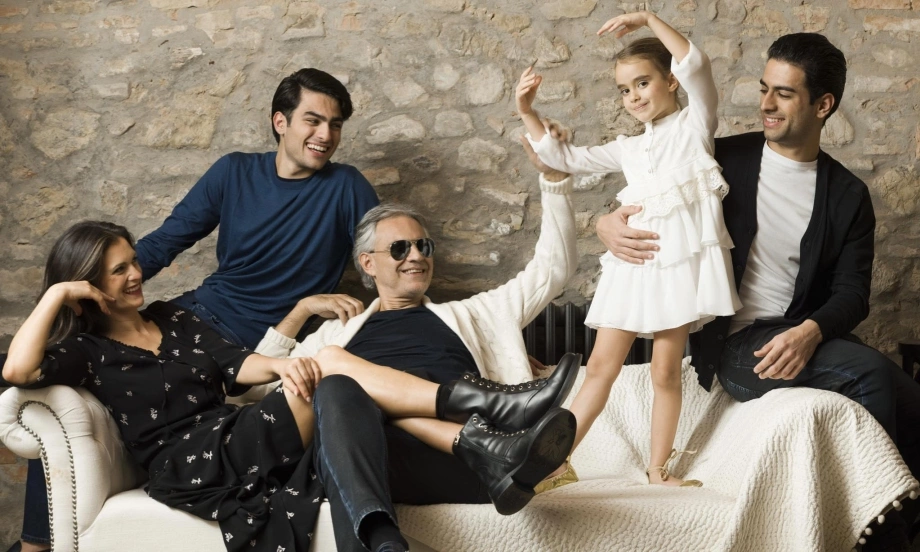
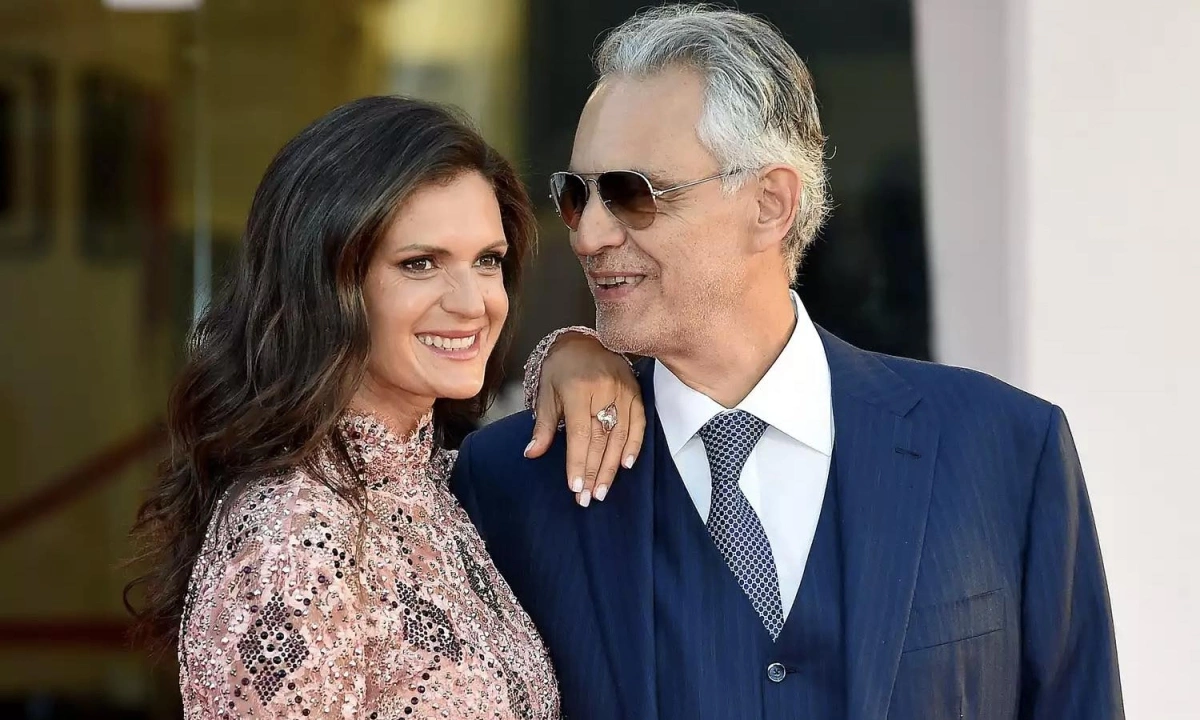
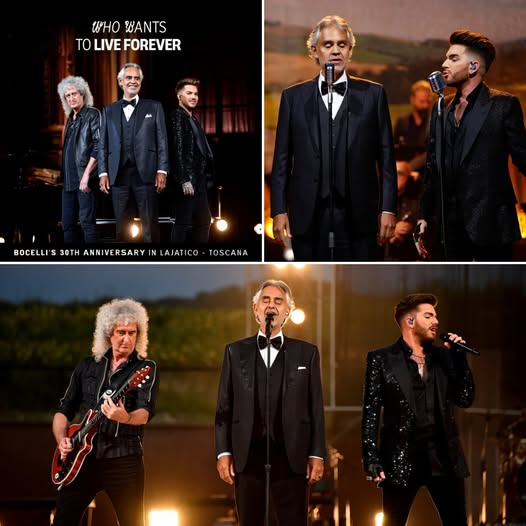
On a warm summer evening in Lajatico, the small Italian village where Andrea Bocelli first found his voice, thousands gathered beneath the open sky to celebrate a staggering milestoneâ30 years of music, heart, and humanity. The Teatro del Silenzio, built in Bocelliâs honor, had never witnessed anything like this.
Then came the moment no one could have predictedâbut everyone will remember.
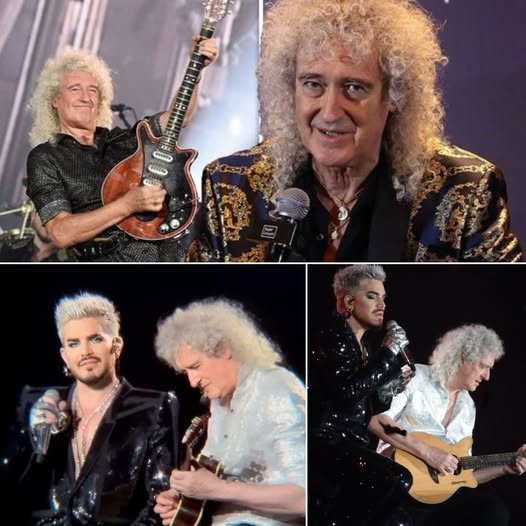
From the shadows of the ancient amphitheater, a single note rang outâa weeping guitar, unmistakably the sound of Brian May. Dressed in black, his silver curls catching the fading light, the Queen legend walked slowly toward center stage, cradling the same guitar he once used to mourn Freddie Mercury.
Beside him stood Adam Lambert, bold, regal, and trembling slightly. And then, emerging through the mist like a memory reborn, Andrea Bocelli.
What followed was âWho Wants to Live Foreverââbut not as anyone had ever heard it.
Bocelli began, his voice a cathedral of longing, each Italian-inflected phrase floating over the Tuscan hills like a prayer. Then Adam took over, pouring every drop of pain and beauty into the verseâhis soaring tenor balancing perfectly with Bocelliâs operatic depth. Brianâs guitar wept between them, echoing the loss, the hope, the eternity that the song has always held deep within its bones.
And when all three voicesâone rock, one opera, one immortal instrumentâjoined on the final chorus, something unspeakable happened.
People cried. People clutched their hearts. Some whispered prayers. Others simply stood in stunned silence, watching three men, from three worlds, bend time with nothing but music and soul.
The performance wasnât just a highlightâit was a spiritual climax.
As the final note faded and the stars blinked above the hills of Lajatico, Bocelli turned to Brian and Adam, took both their hands, and kissed them with gratitude. âThis,â he said quietly, âis why we live.â
The audience roseâtears, roars, trembling hands raised skyward.
Three legends. One song. One night in Tuscany.
It wasnât just a concert. It was a farewell to time, a salute to legacy, and a reminder that musicâlike loveâdoes not die. Not tonight. Not ever.
On the 14th of June, 2025, London wore its most regal face. The skies were painted in summer blue, and Horse Guards Parade gleamed with history and anticipation. It was Trooping the Colour â the grand ceremonial celebration of King Charles IIIâs official birthday. As thousands gathered, from soldiers in gleaming uniforms to waving children, few could imagine that the most unforgettable moment of the day would come not from the traditional parade â but from a voice. Two voices, in fact.
As the last gun salute echoed across the Thames and the Royal Air Force jets finished painting the sky in red, white, and blue, a subtle change fell over the crowd. The military band softened. The crowd stilled. A hush blanketed Horse Guards Parade. Then, a single spotlight bathed the center of the ceremonial square.
Andrea Bocelli stepped forward.
With his trademark calm and quiet majesty, the Italian tenor stood beneath the Union Jack, his hands folded, his face lifted slightly toward the sun. A second figure emerged beside him â Susan Boyle, the Scottish singer whose fairytale rise from a humble village to international fame had captured hearts worldwide.
But it wasnât until the first notes of âAmazing Graceâ filled the air that time itself seemed to stop.
Bocelliâs voice rose first, rich and velvety, carrying centuries of emotion in a single breath. His Italian soul found home in the ancient English hymn, and his voice drifted across the square like a prayer carried by wind. Then Susan joined him. Her voice â clear, trembling with restrained power â floated in beside his, and together they created a harmony that made the very ground seem to vibrate.
Standing high on the Royal Balcony, Princess Catherine watched, her hands gently clasped, her expression soft but intense. Dressed in an elegant ivory ensemble with a matching hat, she looked like a vision from another era â grace personified. To her side stood Prince William, King Charles, and Queen Camilla, all visibly moved.
Below them, the soldiers who had marched in perfect lines just hours earlier now stood motionless, heads bowed. The crowd of civilians â tens of thousands strong â fell into silence. Not a phone was raised. Not a voice spoke. Only the music moved.
As Bocelli and Boyle reached the line:
âThrough many dangers, toils, and snares, I have already comeâŠâ
âit was as if the words werenât just being sung; they were being felt, collectively, by every soul present. A tribute to a King who had weathered public scrutiny and private heartache. A reflection of a nation that had seen division and resilience. And above all, a reminder of something deeper â grace that never ceases to amaze.
The performance was not listed in any official program. It had been kept a secret â a gift, some insiders said, personally requested by Queen Camilla and approved by the King. The idea was simple: let music speak where words cannot.
And it did.
The climax arrived with the final verse, sung in perfect harmony. Bocelli, with his operatic depth, and Boyle, with her emotional purity, brought a reverent power to the final refrain:
âWas blind, but now I see.â
At that line, Susan Boyle closed her eyes, and Bocelli lifted his hands slightly to the heavens. As the last note hung in the air, the square erupted into applause â thunderous, tearful, unrestrained.
Even the Royal Family stood. Princess Catherine dabbed a tear from her eye, as did many in the crowd. For a nation known for its stoicism, it was a rare and beautiful surrender to emotion.
Later, social media lit up with praise:
âSusan Boyle and Andrea Bocelli just delivered a version of Amazing Grace that will be remembered for generations.â âI didnât know a hymn could make me cry like this. Thank you, Your Majesties.â âThat wasnât just a performance. That was a spiritual moment.â
For Susan Boyle, it marked a triumphant return to the royal stage after more than a decade. For Bocelli, it was another masterstroke in a career filled with sacred, transcendent moments. But for the British public â and perhaps even the King himself â it was a reminder of something older than any crown or ceremony:
That in moments of stillness, and in songs sung with love, we find our truest selves.
As the applause slowly faded and the military band resumed its march, the spell broke. But no one left the parade unchanged. In a day filled with spectacle, it was a simple hymn â sung by two remarkable voices â that would echo the loudest.
Youâre not dreaming â Susan Boyle just turned her wedding into the concert of the decade, and the music world is still trying to catch its breath.
It started elegantly enough: Andrea Bocelli opened the ceremony with âThe Prayer,â his voice gliding through the chapel like silk-wrapped thunder. Just as guests began to recover from the goosebumps, Adam Lambert appeared beside him. The two launched into a duet so flawless, so emotionally electric, that people were visibly shaking in the pews.
But thenâŠÂ Susan stepped forward.
Yes, the bride herself. In a simple ivory gown, clutching a trembling microphone. Her voice quivered on the first noteâbut then, like a light flicking on inside her, it soared. When she joined Bocelli and Lambert, their three-part harmony sent time into freefall.
One guest sobbed, âI forgot where I was.â
Another gasped, âThis isnât a wedding. Itâs a celestial event.â
A stunned reporter called it âa vocal trinity from another universe.â And just when it couldnât get more surreal, Susan turned to her new husband, tears in her eyes, and whispered into the mic:
âI dreamed a dream⊠and now Iâm living it.â
The crowd erupted. The internet detonated.
TikTok is calling her âMother Susan.â
Twitter renamed the event:Â âThe Royal Vocal Wedding.â
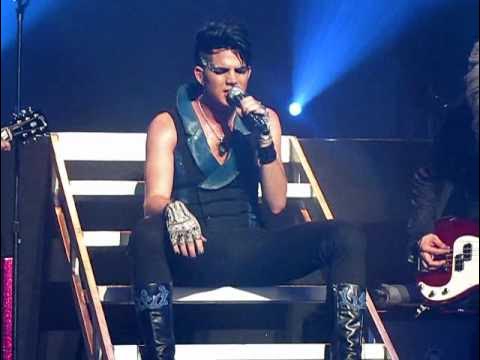
If you thought Part 1 was electrifying, Part 2 of Adam Lambertâs âGlam Nation Tourâ stop in Amsterdam is where things go from dazzling to downright legendary.
Filmed in high-definition and burned into the memories of fans across the globe, this performance is a masterclass in stage command, vocal power, and theatrical flair. Here are the best moments that had Amsterdam screaming, the internet looping clips on repeat, and critics eating their own glitter:
 âSleepwalkerâ â The Soulquake:
A raw, emotionally gutted version that showed off Adamâs control and range â a slow burn that turned into a vocal firestorm. Fans swear you can feel the ache vibrating through the floor.
 âFeverâ â The Sizzle Is Real:
Sultry, campy, and explosively charismatic, this was Adam in full glam-rock glory. Think: Prince meets Bowie with a rhinestoned smirk. Amsterdam didnât stand a chance.
 THAT High Note in âSoakedâ:
You know the one. The camera pans in. His eyes close. And thenâboomâhe releases a falsetto so clean and piercing it could slice diamonds. One fan fainted. Another proposed. Twitter still hasnât recovered.
 The Mic Flip/Heel Kick Combo:
Because Adam doesnât just sing â he performs like the laws of gravity were made to be ignored. One mic flip, two hip rolls, and an air kiss to the front row? Iconic.
 âIf I Had Youâ â Disco Apocalypse Finale:
Lights, lasers, dance breaks, audience sing-along, and pure liberation. By the end, the whole crowd was on its feet like theyâd been summoned by the Queen of Glam herself.
Bottom line?
Amsterdam got a rock concert.
A Broadway show.
A spiritual experience.
And maybe a new religion â with Adam Lambert at the altar, belting out salvation.
Watch it again. Turn it up. Relive the glam storm.
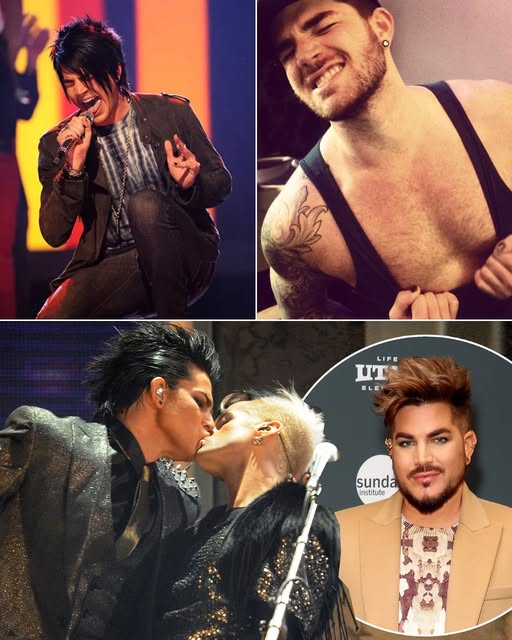
Long before he electrified global stages with Queen, before the glam, the glitter, and the goosebump-inducing high notes, Adam Lambert was just a graduating senior at Mt. Carmel High School in San Diego, Class of 2000âbut those in attendance say he was already unmistakably destined for greatness.
Dressed in cap and gown, surrounded by classmates and proud families, Adam took to the stage not as a celebrity, but as a young man ready to take flightâliterally and vocally. Footage and firsthand accounts from that day reveal a performance during the graduation ceremony that left jaws on the gymnasium floor.
One classmate recalled:
âWhen Adam sang, everything stopped. It wasnât your typical âschool solo.â It was a Broadway-caliber moment. He didnât just performâhe owned it.â
He was already known among peers for his work in choir, theatre, and school musicals like Brigadoon and Fiddler on the Roof, where his vocal range and theatrical flair consistently stunned teachers and students alike.
Highlights from 2000 Mt. Carmel yearbook & community chatter:
Voted âMost Likely to Be Famousâ
Performed a solo that left the principal in tears
Described by choir teachers as having a âonce-in-a-generation voiceâ
Looking back now, itâs clear: Adam Lambert wasnât just graduatingâhe was launching. That day at Mt. Carmel wasnât a farewell. It was a prologue.
And for those lucky enough to hear him sing before the world knew his name? They can say:Â âWe saw the star before it shined on stadiums.â
A Royal Surprise: Prince William Joins Ed Sheeran on Stage for an Emotional Duet of âPerfectâ at Royal Albert Hall
It was meant to be a night of elegance, compassion, and unity. The Royal Charity Gala â titled A Night for Hope â held at the majestic Royal Albert Hall, had already drawn some of the biggest names in British entertainment and philanthropy. But nothing prepared the audience for the moment when Prince William stepped out of the royal box and into the spotlight⊠to sing.
The evening was dedicated to raising funds and awareness for Heads Together, the mental health initiative founded by the Prince and Princess of Wales alongside Prince Harry. With mental well-being at the heart of the galaâs mission, the program was filled with heartfelt speeches, touching short films, and soul-stirring music.
Among the star-studded performances, Ed Sheeranâs name was at the top of the bill. Known for his intimate lyrics and acoustic charm, Sheeran was a natural choice for such a meaningful evening. But when he walked onto the stage that night, guitar in hand and dressed in his signature casual elegance, he hinted that something unexpected was about to happen.
âTonight,â he said with a mischievous grin, âIâd like to invite someone very special to sing this next song with me. Someone whoâs been a quiet champion for mental health and an even better friend to music than you might expect.â
The crowd murmured, puzzled. Then gasped.
From the shadows of stage left, under a single spotlight, emerged Prince William.
Wearing a classic black tuxedo, his steps were modest but steady. He offered a quick wave to the stunned audience before turning to Ed, who handed him a second microphone. The Royal Albert Hall was hushed â a rare silence for such a grand venue â as Ed began to play the opening chords of âPerfect.â
The first notes floated gently through the hall like a whispered memory. Then William began to sing.
He didnât try to impress. He didnât need to. His voice, though unpolished, carried a quiet sincerity that wrapped itself around every lyric. Standing beside one of the most celebrated musicians of the generation, Prince William didnât shrink â he shone.
âI found a love, for meâŠâ
As they continued, Ed took the harmonies, allowing the Prince to carry the melody. The crowd was visibly moved. Guests dabbed at their eyes. A young girl in the front row held her motherâs hand a little tighter. Cameramen, usually stoic in their focus, shook their heads in disbelief, grinning from behind the lens.
Behind them, a massive screen displayed images of families helped by the Heads Together program â a teenage boy overcoming anxiety, a war veteran sharing his recovery journey, children in group therapy sessions laughing freely. The song, written originally as a romantic ballad, transformed under the weight of the moment. It became a hymn to love in all its forms: romantic, fraternal, and above all, compassionate.
Prince Williamâs voice wavered slightly on the line, ââCause we were just kids when we fell in loveâŠâ But Ed gave him a nod, a reassuring smile, and they carried on. Every word felt more powerful because it wasnât perfect. It was real.
When the final chorus echoed through the Hall, the audience erupted. The applause thundered for minutes on end. Some guests stood in stunned silence, hands over their hearts. Others rose to their feet instantly, offering a standing ovation unlike any other.
As the music faded, Prince William looked out at the sea of faces â artists, doctors, soldiers, students, mothers, advocates â and bowed slightly.
âIâm not a singer,â he said into the microphone, still catching his breath, âbut tonight, I sang for something that matters deeply to me. We all need each other. And sometimes, we need to feel weâre not alone in this world. Thatâs what this song means to me. Thatâs what Heads Together stands for.â
He placed the mic gently on the stand and embraced Ed Sheeran in a brotherly hug. Ed laughed, whispering something into the Princeâs ear that made them both chuckle. It was a moment of two worlds colliding â royalty and pop stardom â and creating magic.
In the hours that followed, clips of the duet went viral. Social media exploded with praise:
âPrince William singing Perfect with Ed Sheeran⊠Iâm in tears.â âThe most human and heartfelt moment from a royal Iâve ever seen.â âMore of this, please. More leaders showing up like this.â
https://youtu.be/TCm7Bq1qw8c
#PerfectPrince began trending within minutes. Even Sheeranâs own fan base, known for its passionate devotion, shared the video with captions like âEd and the Prince â a duet for the ages.â
For many, the performance wasnât just a surprising royal cameo. It was a symbol â a reminder that vulnerability is strength. That stepping out of oneâs comfort zone for a cause bigger than oneself is the true mark of leadership.
In the weeks that followed, donations to Heads Together skyrocketed. Videos of the duet were shown in schools, hospitals, and community centers, sparking conversations about music, healing, and the quiet power of showing up.
As one guest later wrote in a heartfelt blog post:
âWe came for a gala. We left with a memory that will stay with us forever.â
And perhaps thatâs the greatest lesson of the night: In a world aching for connection, even a prince singing an imperfect note can make the world feel a little more whole.
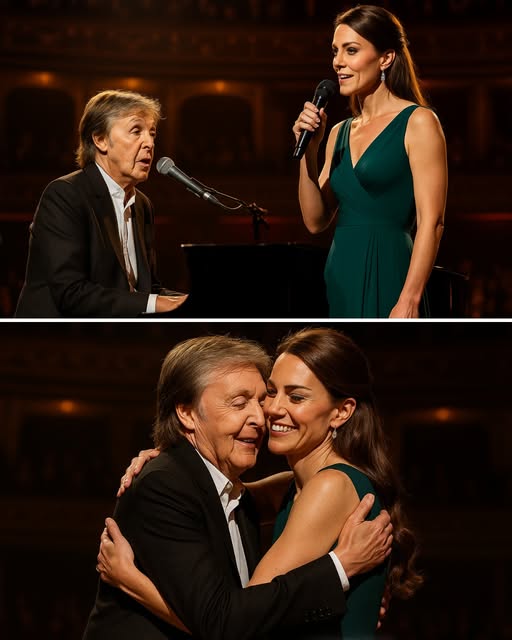
It was a night meant for music legends, but no one expected royalty to steal the show.
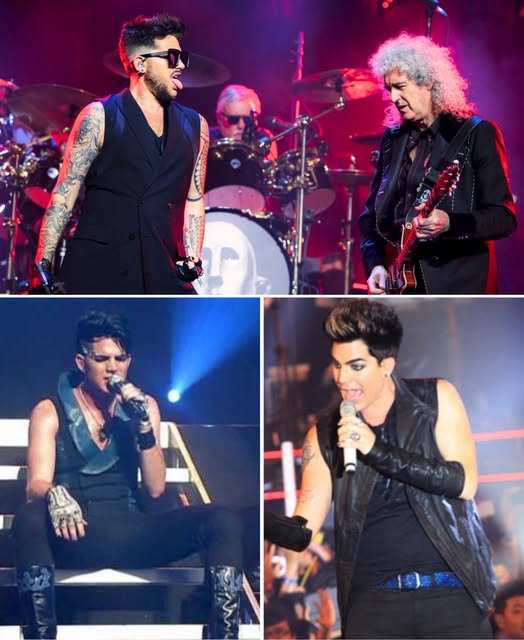
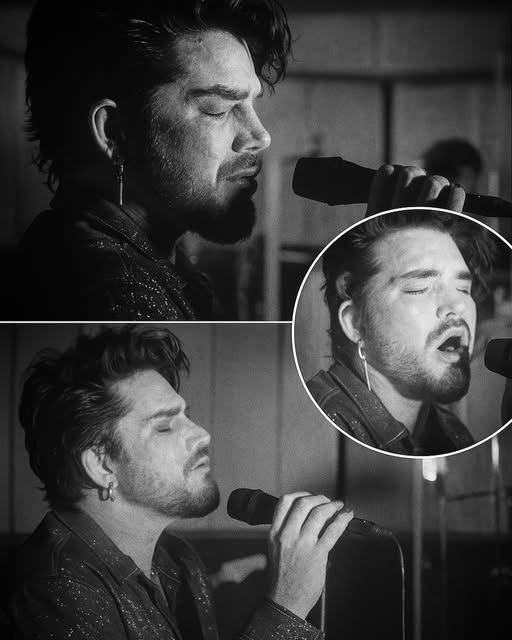
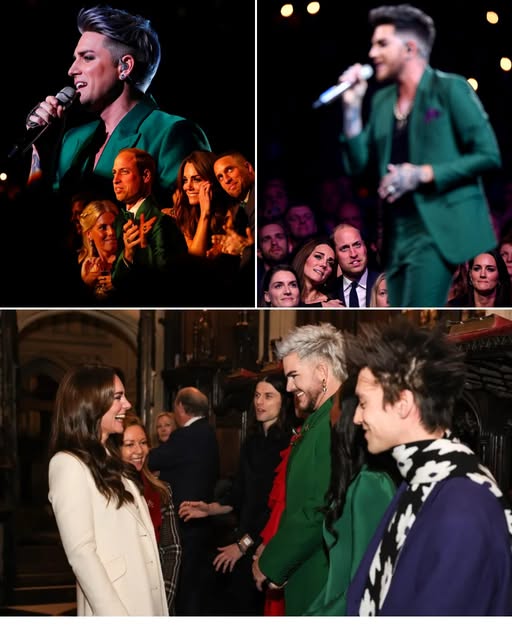
The O2 Arena in London was packed to the raftersâ20,000 hearts beating in sync, waiting for the thunderous arrival of Queen + Adam Lambert. The stage pulsed with energy, lights dancing over the crowd like electric waves. As the first chords of Bohemian Rhapsody rang out, the audience erupted. Freddie Mercuryâs spirit seemed alive through Adam Lambertâs voiceâhis powerful tenor soaring, raw and magnetic.
Backstage, Princess Kate stood quietly with her security detail, a proud yet calm presence. She had attended many royal events before, but tonight, she was simply a fan. A woman who grew up humming Donât Stop Me Now while getting ready for school, now cheering on the legendary band that shaped a generation.
But no oneânot even herâwas ready for what came next.
Midway through the show, as the last note of Radio Ga Ga echoed into the rafters, Adam Lambert turned to the crowd, smiling mysteriously.
âWeâve got a special guest tonight,â he said, the spotlight dimming just slightly. âHe told us he loves Queen. He told us⊠heâs got somebody to love.â
A wave of confusion swept through the audience.
Then, from the shadows of the side stage, he appeared.
Prince William. The future King of England. In jeans and a leather jacket, mic in hand.
Gasps rippled through the crowd like wildfire. Cameras were raised. Jaws dropped. Princess Kateâs hand flew to her mouth.
William stepped into the light, nodded to the bandâand the first haunting harmony of Somebody To Love began.
Adam took the first verse, his voice flawless. Then came the surprise: William stepped forward, took the second verse, and sang.
It wasnât perfectionâbut it was real.
His voice, slightly tremulous at first, gained strength with each note. What he lacked in polish, he made up for with heart. His delivery was raw, vulnerable, and undeniably human. The vulnerability of a man raised in the spotlight, shedding formality for a few sacred minutes.
Adam harmonized with himâeffortlessly, generously. And something magical happened. The crowd, stunned into silence, began to sway, then cheer, then roar.
By the final chorus, William belted the refrain, âCan anybody find me⊠somebody to love?ââand the roof of the O2 nearly came off.
From the wings, Princess Kateâs eyes shimmered. She wasnât just watching her husband. She was watching a man free himself from the weight of crown and dutyâjust a boy who once loved rock anthems, now standing beside his musical heroes.
For a few minutes, there were no titles. No palace. No press.
Just two menâone a royal, the other a rock starâstanding shoulder to shoulder, united by the power of music.
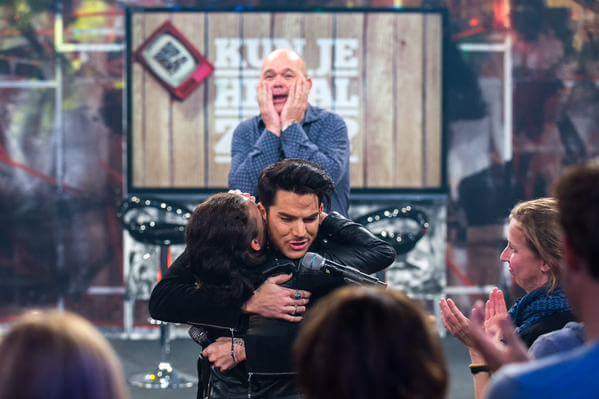
When the song ended, the audience leapt to their feet. Twenty thousand people screaming, clapping, weeping. William bowed, smiled sheepishly, and hugged Adam. The band joined them center stage. Roger Taylor lifted his drumsticks toward the prince in salute.
Adam turned back to the mic. âLadies and gentlemen, your future king⊠and my new favorite duet partner!â
William chuckled, gave a thumbs-up, and retreated to Kate, who hugged him tightly. They whispered something to each otherâsomething the cameras couldnât catchâbut the tenderness between them was unmistakable.
The rest of the concert carried on, but nothing quite touched that moment. It was history in the making. A collision of rock and royalty. Of grit and grace.
Later, social media exploded.
Clips of the duet lit up Twitter. Fans called it âthe greatest surprise in concert history.â Musicians praised Williamâs courage. One trending post read: âHe didnât need to be perfect. He just needed to be present. And he was.â
By midnight, headlines flooded in:
âPrince William Rocks the O2 with Queen + Adam Lambertâ âSomebody to Love? The Crowd Found it in William Tonightâ âKateâs Reaction to Williamâs Surprise Duet Melts Heartsâ
But perhaps the most powerful message came not from the tabloids, but from an 11-year-old boyâs tweet: âIf a prince can be scared and still sing in front of thousands, maybe I can be brave at school tomorrow.â
Because thatâs what music does. It levels us. It lifts us. And last night, in one unforgettable performance, it reminded us all that behind every crown, every stage light, every nameâweâre just human beings looking for connection.
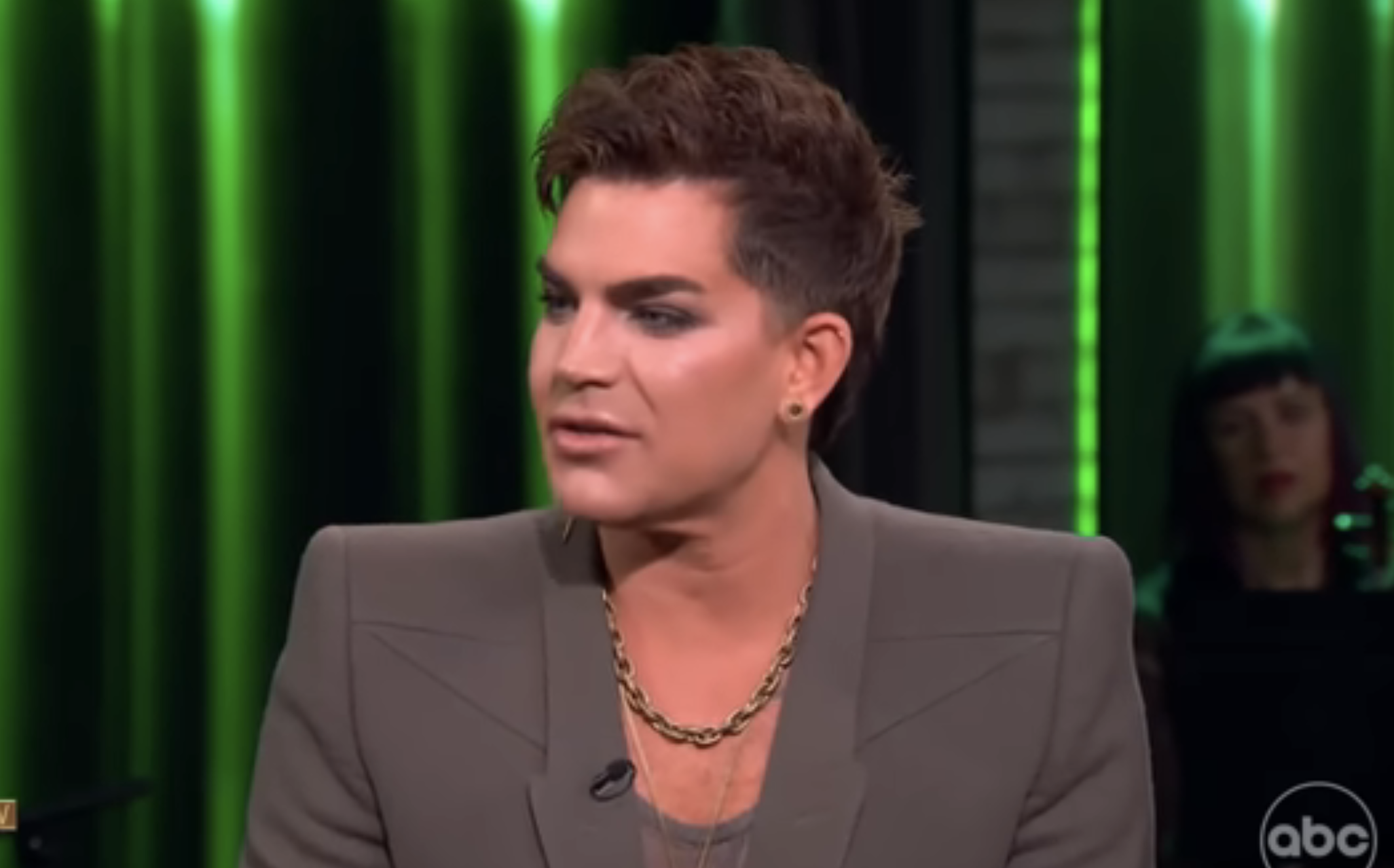
The American Idol alum and Queen singerâs currently playing the Emcee on Broadway, and turned Studio 6B into the Kit Kat Club.
Life is a Cabaret for Adam Lambert.
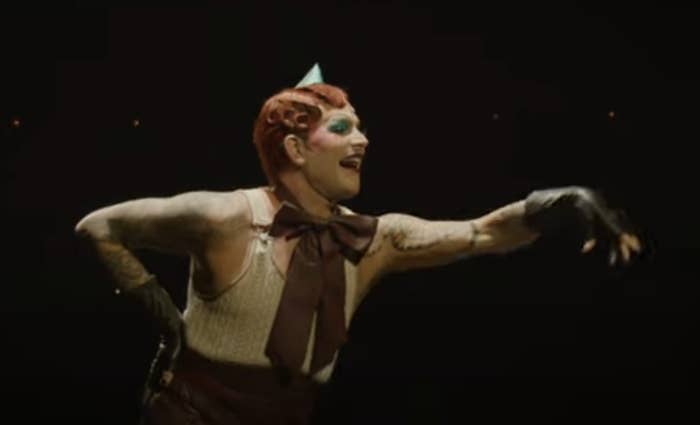
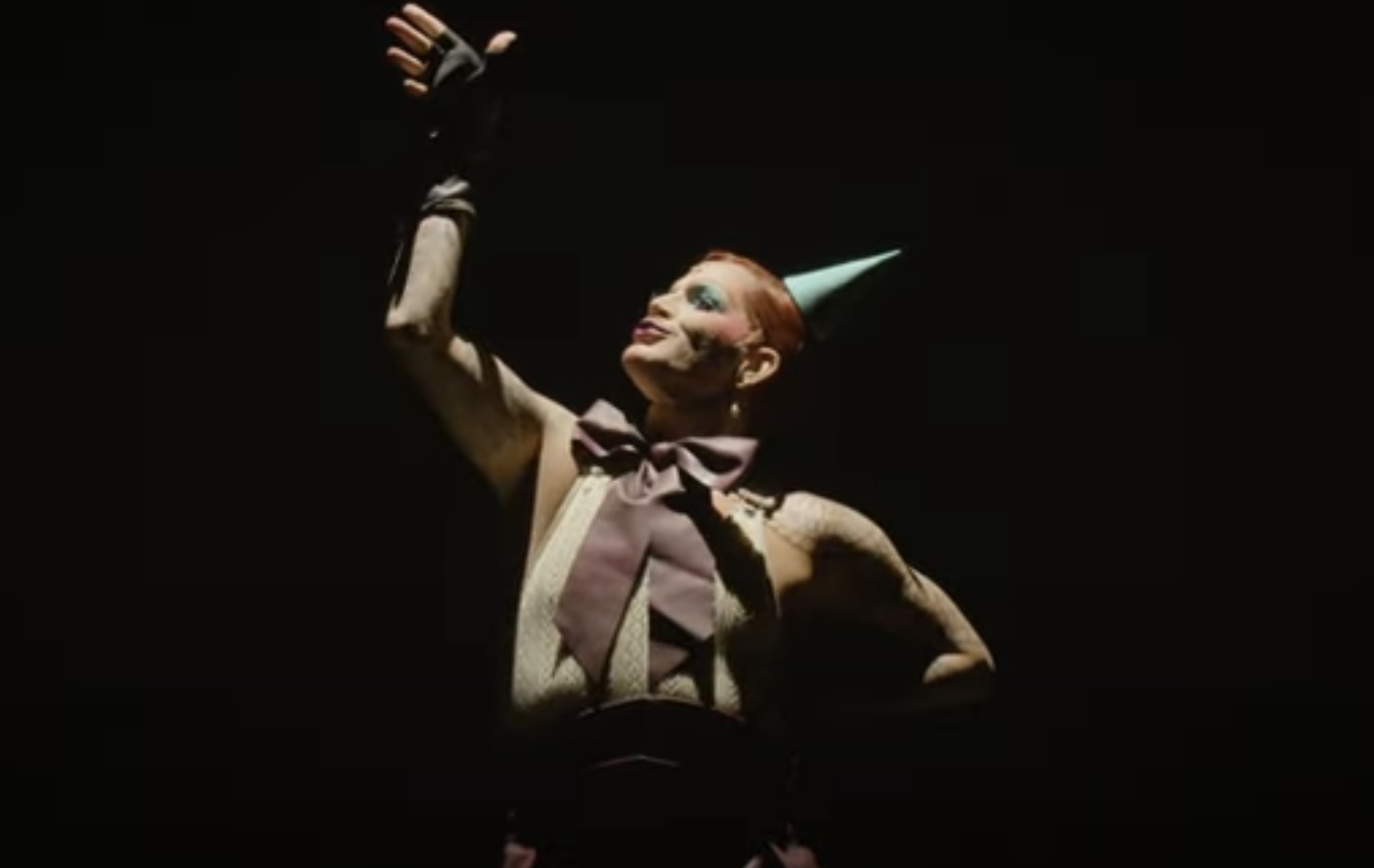
In September 2024, the Queen frontman and American Idol alum joined the latest revival of the Kander & Ebb musical, making his Broadway debut as the Emcee. And Lambert transformed The Tonight Show Starring Jimmy Fallon into the Kit Kat Club on February 10, performing the emotional number, âI Donât Care Much.â
Adam Lambert brought Cabaretâs Kit Kat Club to The Tonight Show with âI Donât Care Much.â
Backed by a live band, Lambert belted the ballad while bathed in green light. As his effortless, velvety vocals washed over the audience, he transported them to Cabaretâs seedy Berlin nightclub setting. Lambert released âI Donât Care Muchâ as a single back in December, even filming a music video for the track at the Kit Kat Club where the Broadway revival is performed.
Talking with The New York Times in December, Lambert described âI Donât Care Muchâ as a âreal emotional moment of struggle with indifferenceâ for his character, adding that the Cabaret team âwere so kind to raise the key to make it more of a torch song for me.â
When the âWhataya Want From Meâ singer visited TODAY in November, Al Roker asked Lambert why he decided to tackle the iconic role of the Emcee. Lambert revealed it âwas definitely on a shortlist of parts Iâve always wanted to play, mainly because heâs just weird and wild and wonderful.â
âItâs a bit of an abstract character, heâs a kind of like a narrator. He welcomes the audience in and then guides them through this story,â he explained. âAnd the story of Cabaret is a big surprise for a lot of people. They donât know necessarily know what theyâre in for.â
Lambert succeeded Eddie Redmayne in the role, for which The Day of the Jackal star received a Tony nomination.
When is Adam Lambertâs final Cabaret performance?
Adam Lambert will play his final Cabaret performance on Saturday, March 29.
The Grammy-nominated singer is currently playing the Emcee in the Broadway revival, with Moana star Auliâi Cravalho as Sally Bowles. They both joined the production in September 2024, and their final performance will be March 29.
Masked country crooner Orville Peck will be taking over the role of the Emcee, and Hadestown star Eva Noblezada will play Sally. Their limited 16-week run begins Monday, March 31.
On the final evening of her Speak Now World Tourâs U.S. run, Taylor Swift transformed Madison Square Garden into a temple of memory and meaning by welcoming an extraordinary guest to the stage: the artist she was named after â James Taylor.
Before the music began, Swift addressed the crowd with a heartfelt reflection. She spoke of her first encounter with James Taylorâs âFire and Rainâ back in fifth grade, when she performed it in chorus. âItâs one of the most beautiful songs Iâve ever heard,â she said, her voice edged with emotion.
Then, as the stage dimmed to a single spotlight, James Taylor emerged. The roar from the crowd was immediate â but what followed was a reverent stillness, the kind that only deep admiration can summon.
What came next was not just a performance, but a bridge across generations. With James on guitar and Taylor joining in harmony, their rendition of âFire and Rainâ felt like a conversation between eras â a fusion of enduring artistry and modern storytelling. For a fleeting moment, the decades dissolved, leaving only music, emotion, and mutual respect.
The magic continued as James remained on stage to accompany Swift on her song âFifteen.â His tender guitar lines lent a quiet depth, transforming the youthful anthem into a reflective ode to growing up and looking back.
The evening held yet another surprise â Selena Gomez appeared for a spirited duet of âWho Says,â bringing warmth and sisterhood to the already emotionally charged night.
This wasnât just a memorable collaboration â it marked the beginning of a creative bond that would reunite Swift and James Taylor again, notably at an intimate performance in Tanglewood, Massachusetts in 2012.
But for those lucky enough to witness that night at Madison Square Garden â and for the countless others who later experienced it online â the duet of âFire and Rainâ stands out as more than a performance. It was a generational embrace, a timeless exchange between a young artist and her namesake, etched forever in the hearts of those who watched.
Few moments are as legendary as Led Zeppelinâs historic reunion on December 10, 2007, marking their first full-length concert in almost three decades. This long-awaited performance, later immortalized in the live CD/DVD package âCelebration Day,â unfolded during the Ahmet Ertegun Tribute Concert at Londonâs O2 Arena.
The Stakes Were Sky-High For This Event, Considering Led Zeppelinâs Sporadic Reunions In The Past Were Marred By Less-Than-Stellar Outcomes.
The disastrous Live Aid set in 1985 and an awkward collaboration at the Rock and Roll Hall of Fame induction in 1995 were etched in fansâ memories. The 2007 gig was seen by many as the potential swan song for the iconic trio of guitarist Jimmy Page, vocalist Robert Plant, and bassist/keyboardist John Paul Jones.
The request for tickets was instantaneous and astounding: The approximately 20,000 available tickets were distributed via an online lottery system, leading to a staggering one million registrations that ultimately overwhelmed and crashed the eventâs website.
Joined By John Bonhamâs Son, Jason Bonham, On Drums, The Surviving Members Embarked On A Incredible Show Through Zeppelinâs Diverse Catalog.
The setlist ranged from early psychedelic-blues like âDazed and Confusedâ to hard-hitting mid-period classics such as âIn My Time of Dyingâ and âRock and Roll,â to more obscure later-day gems like âFor Your Lifeâ and âNobodyâs Fault but Mine.â Though not without hiccups, the highlights, including âStairway to Heavenâ and âKashmir,â were nothing short of thrilling.
Despite The Undeniable Chemistry And Success Of The O2 Performance, Hopes For A Full-Blown Reunion Tour Were Dashed By Robert Plantâs Firm Opposition.
Both Page and Jones expressed interest, but Plantâs commitment to other projects remained unwavering.
âSo, what do you do in a situation like that? Iâd been working with the other two guys for the percentage of the rehearsals at the O2. We were connecting well. The weakness was that none of us sang.â
Post-Reunion, Each Member Pursued Diverse Musical Ventures.
Plant released acclaimed solo albums, Page delved into remastering Zeppelinâs catalog, penned an autobiography, and made notable appearances, including the 2008 Olympics. Jones, the most musically active, formed Them Crooked Vultures and engaged in various collaborations.
With each passing year, the prospect of a Zeppelin reunion dims, especially as Plant consistently dismisses the idea. Nevertheless, the memory of that final triumph in 2007 serves as a poignant reminder of the bandâs enduring legacy and the magic they could still conjure even after a 30-year hiatus.