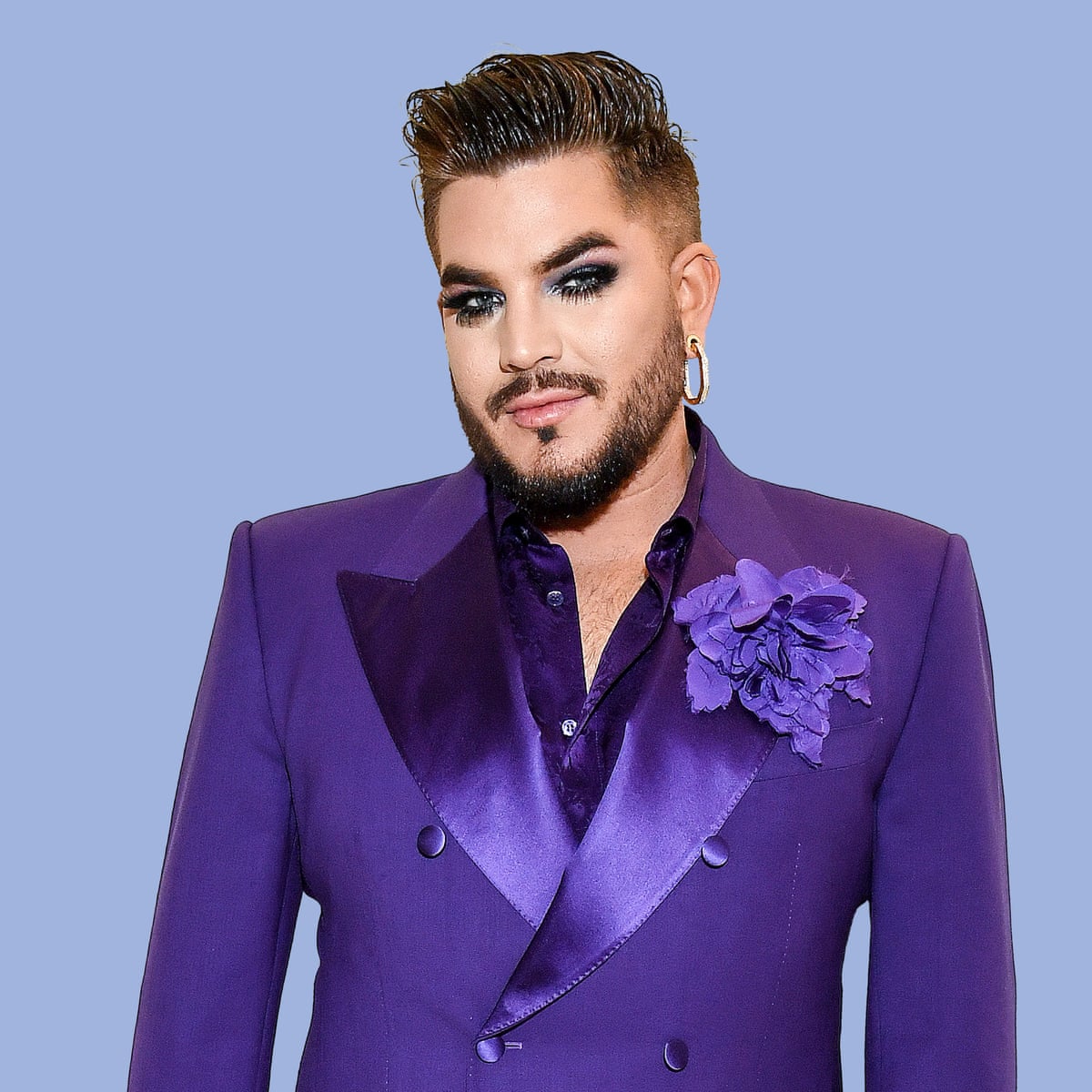
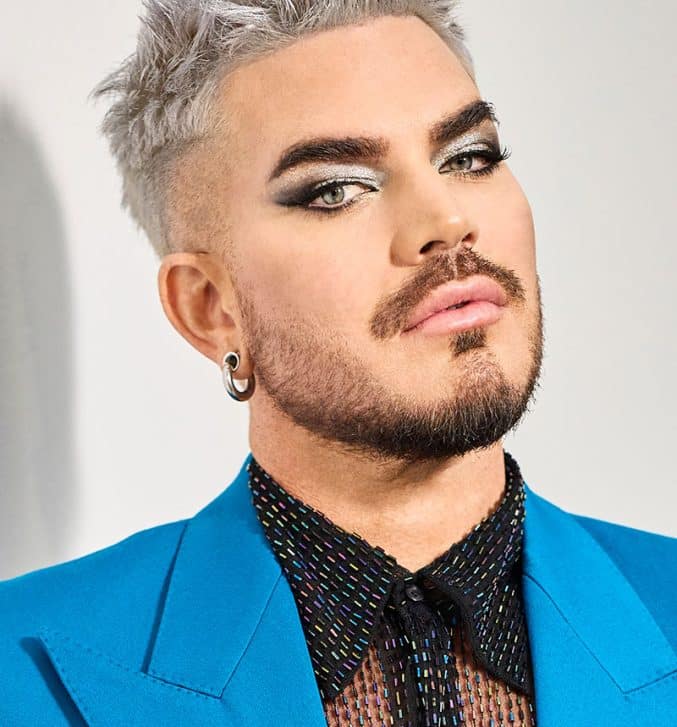
In an extraordinary and emotional turn of events that has stunned the world, Adam Lambert, the acclaimed singer known for his powerful voice and magnetic stage presence, has taken a step far beyond the spotlight to perform an act of kindness that no one saw coming. The global superstar, admired for his musical talents and activism, has shocked the world by funding the life-saving surgery of conjoined twins, a gesture that has brought tears to the eyes of millions and united people in gratitude.
The twins, born conjoined at the chest and abdomen, had faced an uncertain future. Their condition was rare and complex, requiring a delicate and risky procedure to separate them, offering them a chance at a normal life. But such a surgery comes at a high cost-one that the twins’ parents, already burdened by their circumstances, could not afford. The family, living in a modest home and struggling with medical bills, found themselves in a desperate situation, torn between hope and helplessness.

Then, at the most critical moment, Adam Lambert stepped in. Having learned about the twins’ plight through a close connection, Adam was moved by their story and felt compelled to help. What followed was nothing short of miraculous. In a private meeting, Adam assured the family that he would cover the full cost of the surgery, estimated at over $3 million. His words were simple, yet powerful: “I did it to give them a fighting chance.”
For the family, this unexpected act of generosity was more than just financial aid-it was a lifeline. It was a chance to save their children, to offer them a future they could never have dreamed of. The gravity of Adam’s decision wasn’t lost on them. The twins’ mother, holding back tears, shared in an emotional interview, “I never imagined someone like Adam Lambert would care enough to do something like this for us. It’s beyond anything I could have ever asked for. He’s giving our children a chance to live.”
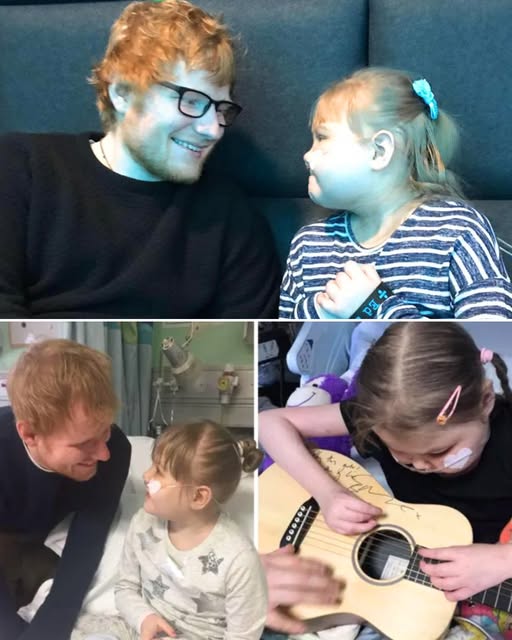
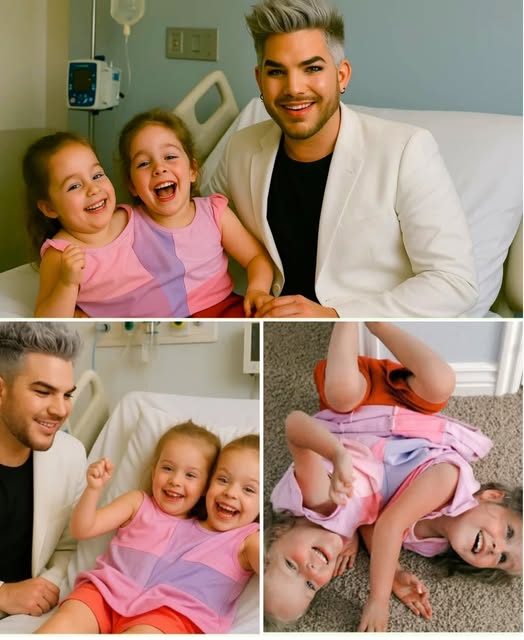
Adam’s involvement was not just a donation. He was with the family every step of the way, offering emotional support and ensuring they felt empowered throughout the entire process. In the weeks leading up to the surgery, Adam flew to the hospital to meet the twins, spending time with them and offering comfort. He even brought toys and blankets, and in one unforgettable moment, played a song for them on his guitar, his music a soothing balm in the midst of their pain.
When the day of the surgery arrived, the entire world seemed to hold its breath. The operation was incredibly risky, with surgeons warning that the twins might not survive the separation. But Adam’s faith in the medical team and in the strength of the children never wavered. He stayed by the family’s side through every moment, quietly reassuring them that everything would be okay.
The surgery, which lasted over twelve hours, was a success. The twins were separated, and after a long recovery period, they are now thriving. The family’s joy and relief were palpable when they received the news-thanks to Adam’s generosity, their children were given a fighting chance at life.
The twins, now recovering and adjusting to their new lives, have become symbols of hope and resilience. Their story, and Adam’s role in making their future possible, has captured the hearts of millions around the world. Social media has been flooded with messages of gratitude and admiration for Adam. Fans, celebrities, and even strangers have praised his humility and the courage it took for him to make such a life-changing decision.
“I’ve always admired Adam for his voice and his activism, but this is on a whole different level,” said one fan on Twitter. “This is what real heroism looks like-when you have the power to change someone’s life, and you do it, not for recognition, but because it’s the right thing to do.”
Others have shared how Adam’s act of kindness has inspired them to be more generous and compassionate in their own lives. “If Adam can use his platform and resources to help someone in need, why can’t I do the same?” wrote another follower. “He’s taught me that it’s not about how much you have, it’s about how much you’re willing to give.”
Adam Lambert, ever humble, has downplayed his role, focusing instead on the twins and their journey. “I’m just happy I could make a difference in their lives,” he said in a brief statement. “They’re the real heroes here-fighting for their lives every day. I just gave them a little help along the way!”
The surgery and its aftermath have not only changed the lives of the twins and their family but have also served as a reminder to the world that kindness can transcend all boundaries-whether those boundaries are wealth, fame, or geography. Adam Lambert’s act of selflessness has proven that sometimes, the most powerful thing you can do is use your position in life to help someone else.
As the world watches the twins continue to grow and thrive, Adam’s legacy of compassion will remain an inspiration to all. His act of kindness has reminded us all that even in the darkest times, there are people willing to step forward and make a difference. And for that, we will all be forever grateful.







:max_bytes(150000):strip_icc()/rs-kate-middleton-tout-335ace7cfe244ae7abb21ac80b8a2572.jpg)