Deprecated: Function visual_composer is deprecated since version 5.8! Use wpbakery instead. in /home/dailygardeningmag/htdocs/dailygardeningmag.com/wp-includes/functions.php on line 6121
admin, Author at Daily Gardening Mag - Page 212 of 255
Author

admin

Browsing

If you often struggle to fall asleep, you’re not alone: lots of people toss and turn for hours in bed before finally drifting off and getting some actual rest. When it happens regularly you can end up feeling constantly tired during the day, possibly overusing sugar and coffee to stay awake, and even getting depressed and gaining weight as a result. That’s serious! Doing the following yoga poses before bed will help you fall asleep (and stay asleep).

They’re all quite simple, so even if you’ve never done any yoga and don’t think of yourself as “flexible,” you’ll be able to master these without a problem.More and more scientific studies have shown the health benefits of yoga so why not take advantage?! You have nothing to lose.

The first time you do these poses, it’s good not to stay in them too long. One minute is plenty. Later, you can extend the pose to five minutes or even longer.

Balasana – Child’s Pose

If you have knee problems, this one probably isn’t a good idea. But for everyone else, this pose will relax your nervous system, back, shoulders, belly, and your mind.If your rear end doesn’t reach your heels, fold a blanket a few times over and tuck it under your bum so you can really let go. You can stretch your arms out in front of you or let them relax at your sides. Set an alarm so you know when to come out of the pose. While you’re in the Child’s Pose be sure to breathe deeply, especially into your back.

Some people call this the butterfly pose: lying on your back, prop up your knees, place the soles of your feet together and gently let your knees fall away to the sides.Most of us can’t lie flat in this pose. Our knees will be at least a few inches away from the ground. So to relax, put a stack of books or a rolled up blanket or pillow under each knee. Let your arms splay out at your sides, totally relaxed as well. Breathe all the way in to your lower belly.

Lying on your back, take hold of your knees (or if you can reach, all the way around your shins as pictured here). Rock gently from side to side. It’s a great way to stretch and massage your lower back after a long day. Let your legs and feet completely relax. At the same time, let your shoulders melt toward the ground — be sure not to tense them while holding your knees. And of course, breathe deeply.

Lying on your back, prop up your knees and then let them fall over to the right side. You can stabilize your legs by holding the left thigh with your right hand. But at the same time, stretch your left arm out to the left and gently roll your head to the left.Here too, you want both shoulders to relax into the ground as much as possible. And yes, breathe! Then repeat the pose on the other side.

Lying on your back with your arms on the ground at your sides, slide your hands — palms down — under your rear end. As you slide them, start to press the whole lower arms into the ground while bending your elbows. The effect is to lift your upper body gently upward and open your chest.You can hold your head up, if your throat and neck are uncomfortable, or gently let your head fall backward toward the ground. Take five to ten deep breaths and then carefully remove your hands from under you. Lie flat and enjoy the open sensation in your chest.

Having optimal health is something we should all strive towards. It’s important to know if something is wrong with our body. Our body has a way of telling us whether our health is in danger. We just have to know how to pay attention to the signs.

Being efficient and productive is also important, but we know that we can’t be like this with every moment. Sometimes, it’s hard because we just don’t feel good. Sometimes, we don’t have the time because we’re very busy. Our busy lifestyle doesn’t allow us to pay attention to what’s really important. If we feel some kind of pain or ache, this could mean something big. It is extremely important to react in time in order to treat and prevent whatever the health problem is.

In this article, we’re going to present you 10 types of body pains you shouldn’t ignore:

1.Chest Pain

The pain can be mild or severe, infrequent or frequent, but chest pain needs immediate attention. These types of pain usually manifest themselves as heart attacks, artery blockages or strokes.

2. Leg Pain

Leg pain doesn’t appear unnecessarily. You might feel leg pain because of numerous squats, but otherwise, it should be treated. Pain in the knees could result in a problem with the bones. In case it comes from the calf or the thigh, it can signify a vein problem. You need to check these types of pain as they can also cause heart blockages.

3. Headache

Different reasons could cause a headache to appear. They can cause a stroke. Headaches often lead to migraines, so make sure you check them as soon as possible.

4. Abdominal pain

This type of pain can signify appendicitis or kidney problems. It has to be checked right away and acted upon it.

5. Pelvic pain

It can signify menstrual disorder, but it can also be a sign of other conditions in the womb and uterus. Visit a doctor as soon as possible.

6. Toothache

Toothache can appear because of cavities or gum problems. Bleeding and mouth cancer ae some of the most severe, so make sure you visit your dentist and check the problem right away.

7. Hip Pain

Elderly people often feel hip pain which might easily become arthritis. It is more common in women than in men. Visit a specialist so that they can advise you about physiotherapy. Only that can help you control it.

8. Toe Pain

You might have bumped into something and you felt a sharp toe pain, but this can also appear because of gout or arthritis. Check it out as soon as possible just to be sure.

9. Knee Pain

As we have already mentioned, arthritis can be the reason for the appearance of knee pain. In case you’re an athlete, it can be muscle tear, so you won’t be able to play sports for several months. You have to check it right away so that your knee won’t suffer.

10. Neck Pain

When the tissue around the spine damages or spinal problems appear, neck pain is very common. You might also have spondylitis, so don’t ignore it and check it out immediately.

It is very important to take good care of your body, so that you could be in optimal health. Next time any type of pain appears in you, check it out with your doctor or visit a specialist about the problem. We have one life which is very precious. Prevent whatever health problem you might have in time!

Many of us are driven by restlessness and inner longing, a feeling that something is missing in life, although it is difficult to know what it is.

We have the belief, even if we are not aware of it, that when we have a better relationship, a more satisfying job, more money, the next vacation, a better body, or a number of other things, we will feel satisfied. May our life feel more complete.

However, even when we have a new relationship, more money, or whatever, we still feel like there must be more.

So what are we really looking for? What are we looking for?

At the center of this search is the need to know who we are and why we are here. What is this journey that we call life about?

This feeling that something is missing is often an invitation to become more aware of our essence and who we are beyond the superficial level of our life.

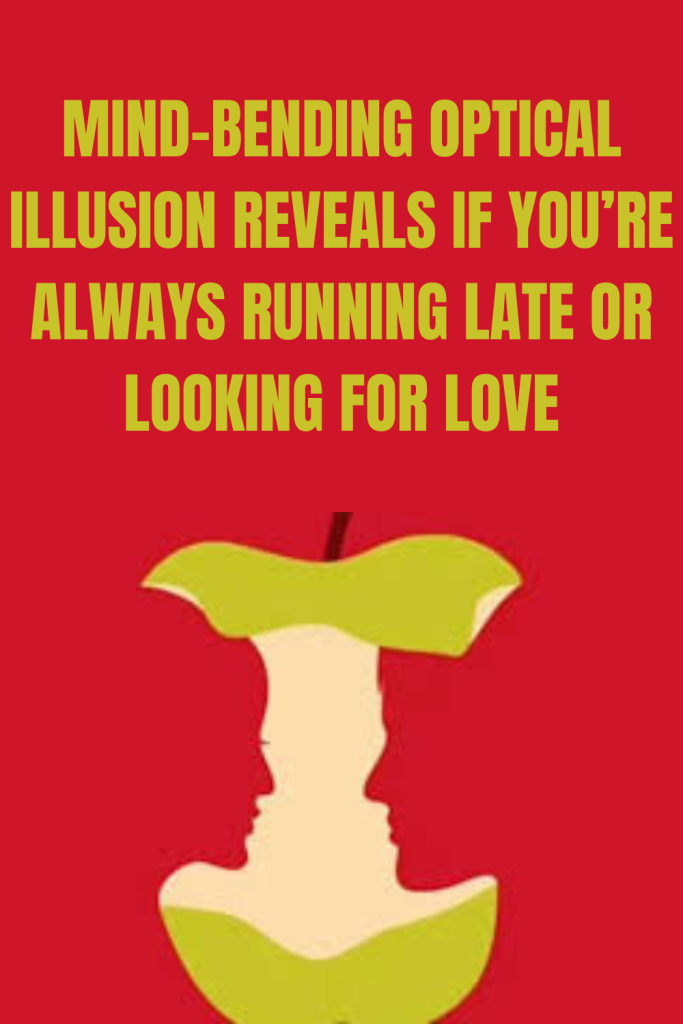
This simple test could help you understand what you currently lack in life, what inhibits your development, and the movement towards new horizons. Perhaps the revealed truth will prompt active action, and push you to make an important decision.

You must determine which image you saw first. Your choice will be the answer to the question posed: What are you missing in life at this moment?

Before completing the task, find a quiet moment and isolate yourself from external factors, and tune in to the universe to receive new information.

 Focus on your thoughts and take a quick look at the image. What is the first thing you saw? 

Woman

You lack freedom. Your life is limited by certain boundaries and you lack the courage or desire to go beyond your limits.

You depend too much on the circumstances and opinions of others: the idea of ​​leaving everything, leaving, radically changing destiny from time to time comes to mind, but then fear takes over, and dreams of freedom are still just dreams.
Start small: do at least once not what is expected of you, but what you want most.

This will be the first step towards freedom: freedom of thought, freedom of action, freedom of choice. It’s hard to just get started, the further struggle with stereotypes and restrictions will start on its own.

Book

You just need rest, relaxation, distraction. It is not just about lying on the couch with a book on the weekend, but about a complete trip that allows you to distract yourself from the routine and get your thoughts in order.

You are mentally and physically exhausted, chronic fatigue negatively affects both business and cash life. A person who has not rested for a long time is simply not able to build his life effectively.

Spend your next vacation not at home, but outside your hometown or country. Adequate rest heals and helps you feel the joy of life better than any doctor.

Butterfly

You lack luck. It doesn’t matter which one: in love, in career, financially. The desired constantly slips out of hand, sometimes at the last minute, leading to despair.

Living, feeling like a loser, is not so easy, and in the periods when destiny is put to the test for strength, the main thing is not to break down and not to lose faith in goodness and justice.

Do not let yourself be scattered. Such periods are an integral part of life. They pass and after the black stripe, the white one certainly comes. The more positive the attitude, the fate will smile and reward the resilience shown.

The notion of combining baking soda with honey or maple syrup seems strange because sugar is a food source for cancer cells. But sugar behaves quite differently in this instance.

Since the baking soda will totally neutralize the sugar, cancer cells will be unable to use it for growth. Honey or maple syrup works against cancer cells, which need fifteen times as much glucose as normal cells do. Baking soda will be able to penetrate and kill cancer cells because of the syrup.


Ingredients needed:

  • Baking soda
  • Maple syrup or honey


Method of preparation:

Mix one part of baking soda with three parts of maple syrup or honey. Mix the ingredients well so you get homogeneous resulting mixture. Cook the mixture on low fire for about 10 minutes or so. The remedy is ready once you are done cooking.


Way of consuming:

You have to consume 3 teaspoons of this remedy throughout the day in duration of one month.

During this therapy you will need to avoid consuming any kind of meat, sugar and white flour.

Thanks for taking the time to read this article. If you found this information helpful, please share it with your friends and family. Your support in our endeavor of sharing free information would be much appreciated.

Every now and then spots that we don’t recognize can pop up on our skin out of nowhere! Whle most skin growths are harmless, some can be dangerous. If you have these red spots, here is what they are.

Often times we will have a speck of skin rise to the surface. Sometimes their warts, moles, or skin tags. But sometimes these growths can be an indicator of cancer! Cancer that usually pops up as a skin growth is known as melanoma. It is a tumor of melanin-forming cells, typically a malignant tumor associated with skin cancer. However, all growths are not dangerous. People can grow moles out of nowhere, with no known cause. You can have them for life, as they are usually completely harmless.

Recently people have noticed an outbreak of these red spots! It is important to be informed when it comes to skin growths that haven’t always been there. They are usually on various parts of the body, and I’m going to tell you what you can do about them. They most commonly appear in people over the age of 40. However, it is still possible for them to show up in adolescents and children too.

Dermatologists explain that the red spots are small capillary dilations. These capillary dilation’s occur as a result of vascular system malfunctions. You most commonly see them on the upper arms and on the chest. They are either scattered around or packed tightly in together. There is no reason to worry about these red spots, as they are 100% benign. However, if they are a cosmetic issue for you, you can have them surgically removed. You can also use many natural remedies to get rid of them! But, don’t worry – you don’t have cancer.

Parasites live anywhere and thrive anywhere as well. They are also found in humans and animals and thus they get food.

Many insects like single-celled organisms or worms make the infections of the parasites much and multiply by millions in the United States.

Humans suffer often from serious diseases of parasites. Parasite diseases are made by protozoa and helminths.

Protozoa are a single-cell organism like any other animal, hunt and collect microbes. Many of them are inside their intestines and the tract and do no harm. Some, on the other hand, make diseases like Giardia and malaria.

Protozoans spend their lives outside of humans and such hosts, and thrive in food, water, soil and insects. Some even invade you for what you eat and drink.

Helminths are the large parasites and their eggs enter our body. It lives in the intestines, lungs, liver, brain and skin and gets its nutrients. These are also known as tapeworms and nematodes.

Ask for a doctor in case you see some of these symptoms and signs:

• Heavy Breathing

CopyAMP code
• Long-lasting cough

• Rapid Heartbeat

• Rash and fever

• swelling

• Blurred vision

• vomiting

• Pain

Can you treat parasites in a natural way?

If you have once the diagnosis, you can start by making this tea to clean the body.

Ingredients:

• garlic cloves

• Ginger a slice

How to Prepare:

Grate the ¼ of the garlic and the ½ of the ginger and place in the pan. Add water and heat until boiling. Then remove from heat and allow to cool. Consume 3 minutes before eating.

We really hope you enjoyed this article, thanks for reading and do not forget to share this article with your friends and family. Thank you.

Walking is a simple and effective way to improve your health and lose weight. It’s low-impact, easy to do, and requires no special equipment. However, in order to achieve your weight loss goals, you need a plan that’s tailored to your needs and fitness level. That’s where the 21-day walking plan comes in.

The 21-day walking plan is a comprehensive program that’s designed to help you lose fat and get in shape. This plan is broken down into three phases, each with its own goals and objectives. During the first seven days, you’ll start slow, focusing on building up your stamina and getting comfortable with walking. During the next seven days, you’ll increase the intensity of your walks by increasing your pace and incorporating some resistance training. Finally, during the last seven days, you’ll maintain your progress and push yourself even further by walking faster and incorporating more challenging terrain. Whether you’re a beginner or an experienced walker, this plan is designed to help you achieve your weight loss goals in just 21 days.

Day 1-7: Start Slow

  • Walk for 15-20 minutes a day at a moderate pace. Focus on getting comfortable with walking and building up your stamina.
  • As you get more comfortable, try to increase your speed slightly each day.
  • Make sure to stretch before and after each walk to reduce your risk of injury.

Day 8-14: Increase Intensity

  • Start walking for 30-45 minutes a day, and aim to maintain a brisk pace.
  • To challenge yourself, try to increase your speed each day.
  • Try to walk on hilly terrain or incorporate some resistance training, such as carrying light weights, to increase the intensity of your workout.

Day 15-21: Maintain and Progress

  • Continue walking for 30-45 minutes a day, but aim to increase your pace each day.
  • Try to incorporate more resistance training and challenging terrain to keep pushing yourself.
  • On the last day of the plan, try to walk for an hour at your fastest pace to see how far you’ve come

Incorporating this walking plan into your routine can help you lose fat and get in shape. Remember to stay consistent and listen to your body. If you need to take a day off, that’s okay. Just make sure to get back on track the next day. Also, be sure to drink plenty of water, eat a balanced diet, and get plenty of rest to support your weight loss journey. With dedication and effort, you can achieve your weight loss goals through this 21-day walking plan.

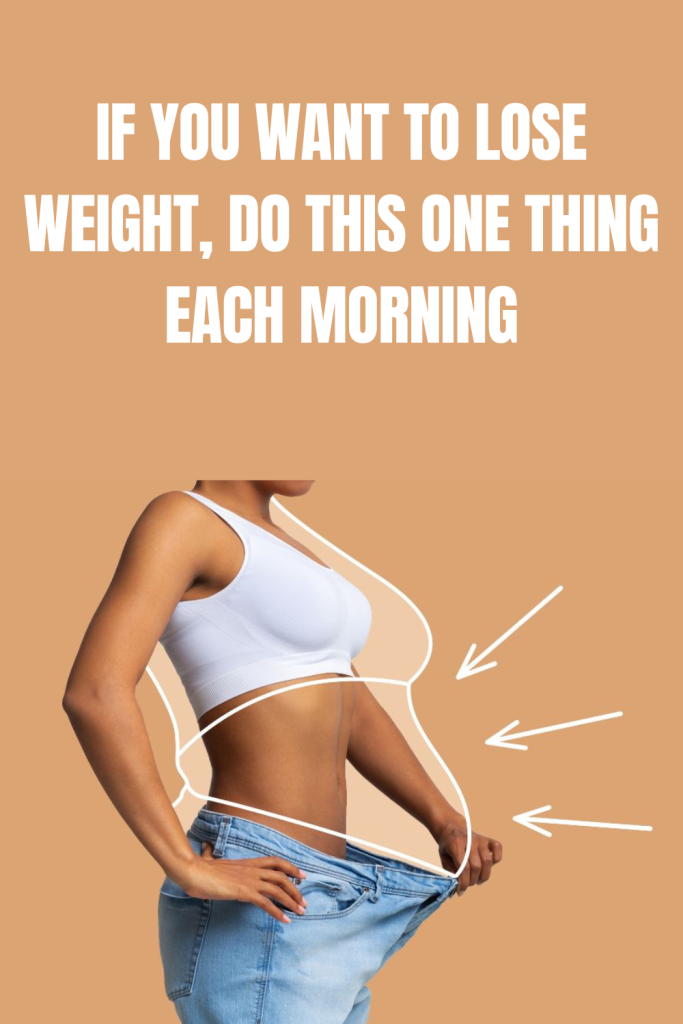
Water retention is a common issue that can cause bloating and weight gain. It occurs when the body holds onto excess fluid, leading to swelling in different parts of the body. While it can be caused by various factors, such as hormonal imbalances or medical conditions, the good news is that there are several simple steps you can take to reduce water retention and promote weight loss.

Water retention can be a frustrating condition, but it’s important to understand that it is treatable. By making some simple changes to your lifestyle and diet, you can help your body flush out excess fluid and achieve a healthier weight. In this article, we will outline 5 easy steps that you can follow to get rid of water retention and lose weight.

It’s important to keep in mind that everyone’s body is different, and what works for one person may not work for another. However, by following these 5 steps, you can take an important step in reducing water retention and promoting weight loss. Remember to always consult with your doctor before starting any new diet or exercise program.

Step 1: Stay Hydrated

Drinking plenty of water is one of the best things you can do to reduce water retention. When you don’t drink enough water, your body tends to hold onto fluid in order to protect itself. By staying hydrated, you can help flush out excess fluid and reduce water retention. Aim to drink at least 8 glasses of water a day, or more if you’re engaging in physical activity.

Step 2: Reduce Sodium Intake

Too much salt in your diet can lead to water retention, so it’s important to reduce your sodium intake. Processed foods, fast food, and restaurant meals tend to be high in sodium, so try to limit your consumption of these foods and opt for fresh, whole foods instead. You can also try using herbs and spices instead of salt to flavor your meals.

Step 3: Exercise Regularly

Regular exercise can help reduce water retention by improving circulation and flushing out excess fluid from your body. Aim to get at least 30 minutes of moderate exercise, such as brisk walking, most days of the week. Resistance training, such as weightlifting, can also help build muscle and boost metabolism, which can contribute to weight loss.

Step 4: Eat More Fiber

Eating a diet rich in fiber can help reduce water retention by regulating bowel movements and preventing constipation. Good sources of fiber include fruits, vegetables, whole grains, and legumes. Aim to consume at least 25-30 grams of fiber a day for optimal results.

Step 5: Limit Alcohol and Caffeine

Alcohol and caffeine can both contribute to water retention by dehydrating your body. Try to limit your alcohol consumption and opt for decaffeinated beverages, such as herbal tea or water, instead of coffee or energy drinks.

In conclusion, water retention can be a frustrating condition that can contribute to weight gain, but it is possible to reduce it and promote weight loss with a few simple steps. By staying hydrated, reducing sodium intake, exercising regularly, eating more fiber, and limiting alcohol and caffeine, you can take an important step in reducing water retention and achieving your weight loss goals. Remember to always consult with your doctor before starting any new diet or exercise program.

Nails are not just a part of your body that you can ignore. They can tell you a lot about your health. It’s essential to be aware of any changes in your nail color, texture, or shape. These changes can be an indication of underlying health conditions.

Nail conditions are common in people of all ages, but they tend to be more common in older adults. As we age, our nails become thinner, drier, and more brittle. They can also change in shape and color. It’s essential to pay attention to these changes and to consult your doctor if you notice any abnormalities.

In this article, we will discuss some common nail conditions that may be linked to serious diseases. By being aware of these conditions, you can take steps to prevent complications and improve your overall health. Let’s take a closer look at some nail conditions that you should not ignore.

Here are some nail conditions that may be linked to serious diseases:

  1. Yellow Nails 

    Yellow nails can indicate a fungal infection, but they can also be a sign of diabetes, lung disease, or thyroid disease. If your nails are yellow, it is essential to consult your doctor.

  2. White Nails 

    White nails can be a sign of liver disease, kidney disease, or anemia. If you notice white nails, it is essential to consult your doctor.

  3. Blue Nails 

    Blue nails can indicate a lack of oxygen in the blood, which can be caused by lung disease, heart disease, or anemia. If you notice blue nails, it is essential to seek medical attention immediately.

  4. Spoon Nails 

    Spoon nails are nails that are curved upwards at the edges, giving them a concave appearance. This condition can be a sign of iron-deficiency anemia or heart disease.

    5.Clubbing 

    Clubbing is a condition where the fingertips enlarge and the nails curve downwards. This condition can be a sign of lung disease, liver disease, or heart disease.

  5. Beau’s Lines 

    Beau’s lines are horizontal ridges that appear on the nails. These lines can be a sign of malnutrition, uncontrolled diabetes, or other health conditions.

  6. Vertical Ridges 

    Vertical ridges are common in older adults, but they can also be a sign of nutrient deficiencies or underlying health conditions.

  7. Brittle Nails 

    Brittle nails can be a sign of a thyroid disorder, fungal infection, or other health conditions.

  8. Pitted Nails 

    Pitted nails are small dents or depressions on the nails. This condition can be a sign of psoriasis or other skin conditions.

  9. Nail Separation 

    Nail separation is when the nail lifts off the nail bed. This condition can be a sign of psoriasis, fungal infection, or thyroid disease.

  10. Dark Lines 

    Dark lines on the nails can be a sign of melanoma, a type of skin cancer. If you notice dark lines on your nails, it is essential to seek medical attention immediately.

  11. Ingrown Nails 

    Ingrown nails occur when the nail grows into the skin. This condition can be a sign of poor foot hygiene or injury, but it can also be a sign of a fungal infection or other health conditions.

  12. Thickened Nails 

    Thickened nails can be a sign of toenail fungus or psoriasis. It can also be a side effect of certain medications.

In conclusion, nail conditions can be a sign of underlying health conditions. It is essential to pay attention to any changes in the color, texture, and shape of your nails and to consult your doctor if you notice any abnormalities. Early detection and treatment of underlying health conditions can prevent complications and improve overall health.

When it comes to heart health, the American Heart Association has warned that chest pain or discomfort in one or both arms can be a warning sign of a heart issue and to see a doctor right away.

Crushing pain in the chest is another warning sign of ticker trouble, but some indications of health issues are not as obvious and can often be mistaken or ignored.

Here are seven warning signs that may be cause for concern.

1. Tearing sensation

If you feel a tearing sensation in your back, you may think you’ve pulled a muscle. But if you haven’t done any physical activity to cause a muscle injury, this sensation might be much more serious. It could be a rupture of the aorta. An aorta rupture can give the sensation of sudden, severe, stabbing pain in the back. If this type of pain persists for more than 20 minutes and it’s accompanied by nausea, seek immediate medical attention.

2. Crushing chest pain

One of the more well-known warning signs is crushing chest pain, which is usually associated with a heart attack. Other heart-woe indicators are tightness, heavy pressure or squeezing in the chest. The pain may also travel to the arm, shoulder, jaw or back.

Even if it’s not from a heart attack, you should not ignore chest pain. Crushing chest pain with nausea, vomiting and sweating is dangerous, so call 911 right away.

3. Tingling in the arms or other extremities

A tingling sensation in your hands, arms, legs or feet is not only uncomfortable but also a cause for concern. Tingling is easy to ignore, but it is a sign from the body of illness.

Tingling is related to circulation problems and diseases such as anemia, diabetes, multiple sclerosis and Buerger’s disease — a condition of the arteries and veins. Tingling in the feet may also be a sign of kidney issues.

If tingling is your only symptom, you can wait to see your regular doctor to investigate. But a tingling sensation that lasts for more than an hour and is accompanied by other symptoms like dizziness and nausea requires immediate medical help.

4. Dizziness

Dizziness or lightheadedness can be caused by disturbances in the brain, the gastrointestinal system, vision or the inner ear. Dizziness is one of the most common symptoms that cause people to seek medical attention.

If you feel dizzy for more than an hour and develop other symptoms, such as nausea and vomiting, seek medical attention. Dizziness is also related to several other health issues, including high blood pressure, low blood pressure, diabetes, thyroid disease, anemia, dehydration and heart conditions.

5. Sweating

Excessive sweating may be caused by a variety of factors, including hot flashes, exercise, stress, excess weight or even spicy food. Heavy sweating may also be a sign of thyroid problems, diabetes or heart issues.

If you are sweating more than usual, you don’t need to call 911, but you should consult a physician to rule out a serious underlying medical condition.

6. Numbness

Numbness in the face, arms or legs can be a very serious signal, especially if the feeling is on one side of the body, as this could indicate a stroke. This symptom may be accompanied by sudden confusion, difficulty speaking or understanding, as well as blurred vision.

Numbness is also associated with several other illnesses, including Lyme disease, Guillain-Barre syndrome and diabetes, and a herniated disk. No matter what the cause, numbness should always be investigated, and if it is accompanied by other symptoms of a stroke, call an ambulance immediately.

7. Swelling

Swelling is usually due to inflammation or a buildup of fluid and may result from a range of conditions. The most common reason for swollen feet or ankles is poor circulation. In older people, it could mean their blood vessels are weakening. It could also be an indication of a blood clot blocking the veins.

One of the more serious conditions associated with swelling is edema, which happens when an abnormal amount of fluid builds up in the body. Edema can damage the heart, make you feel weak when walking and cause swollen ankles.

Always investigate the cause of any type of swelling. And if you experience swollen ankles, make an appointment with your doctor right away.

Immediate Medical Care

When serious health symptoms occur, an ambulance is the quickest way to receive immediate attention. Emergency medical technicians can provide immediate care at the scene and in the ambulance. If you drive yourself or someone else to the hospital, there will be an emergency room wait and precious time may be lost.